

Regular pest control checks are the most effective way to prevent infestations before they take hold, protecting your health, your property, and your finances. Known in the industry as preventive pest management, these scheduled inspections catch problems at the earliest stage, when treatment is simplest and least disruptive. Waiting until you spot a mouse or find gnaw marks on a skirting board means the infestation is already established. Pestcontrol24london has seen this pattern repeatedly across London homes since 2015, and the outcome is always the same: earlier action costs less and causes far less stress.
Why regular pest control checks are worth scheduling every year
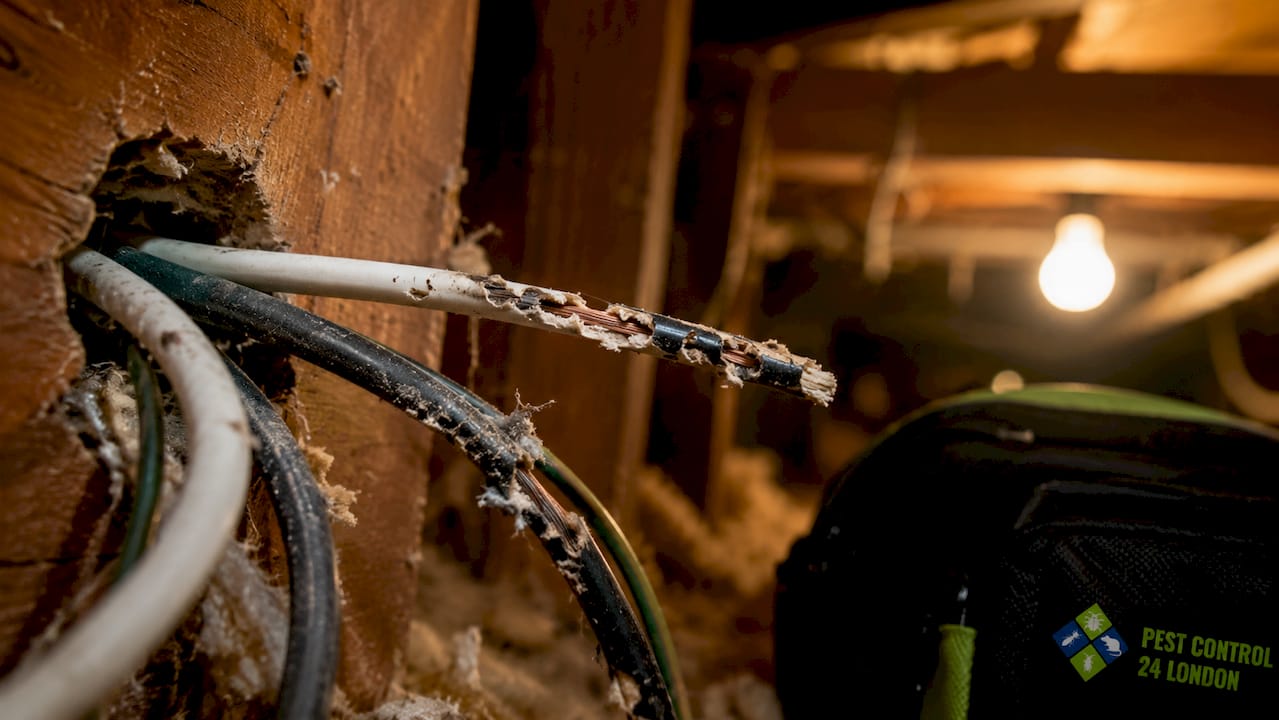
Pests cause far more damage than most homeowners expect. Rodents gnaw through electrical wiring, creating fire risks. Termites and wood-boring beetles silently destroy structural timber. Cockroaches and rats contaminate food preparation surfaces, spreading bacteria such as Salmonella and Leptospira. The pest management sector delivers £1.9 billion in annual cost savings to the UK economy by preventing this kind of damage, business disruption, and health loss. That figure reflects the scale of harm that goes unaddressed when inspections do not happen.
The financial consequences extend beyond repair bills. Insurance policies typically exclude termite damage from coverage because insurers classify it as a preventable maintenance failure. That means the full cost of structural repairs falls on you. A single termite colony can cause thousands of pounds of damage before any visible sign appears above the surface.
Health risks are equally serious. Pest management keeps essential public services running by controlling hazards in schools, hospitals, and transport networks. At home, the same principle applies. Rodent droppings trigger asthma and allergic reactions, particularly in children. Bed bug bites cause skin irritation and significant sleep disruption. None of these risks are visible until an infestation is well advanced, which is precisely why proactive checks matter.
“Pest management is not only a reactive service but a critical preventative public health intervention.” — British Cleaning Council, 2026
How often should you schedule pest control inspections?
The standard baseline for most single-family homes is a quarterly inspection every three months. That frequency gives professionals enough time to detect seasonal changes in pest activity while catching problems before they escalate. Quarterly visits align with the natural cycles of common pests: rodents seek warmth in autumn, wasps build nests in spring, and bed bugs spread year-round in high-density housing.
Some properties need more frequent attention. Monthly checks are appropriate for homes with a history of infestation, properties near green spaces or water, and any building that has recently undergone renovation. Commercial properties, including restaurants and hotels, typically require monthly or even fortnightly visits to meet food safety and hygiene regulations.
| Property type | Recommended frequency | Key reason |
|---|---|---|
| Standard single-family home | Quarterly (every 3 months) | Seasonal pest cycle monitoring |
| High-risk or previously infested home | Monthly | Faster detection after prior activity |
| Rental property or HMO | Every 1–2 months | Higher occupancy increases risk |
| Restaurant or food business | Monthly or fortnightly | Food safety and regulatory compliance |
Seasonality matters significantly. Autumn and winter bring rodents indoors. Late spring and summer see a rise in wasps, ants, and flies. Scheduling inspections to coincide with these peak periods gives you the best chance of early detection. The Integrated Pest Management approach, known as IPM, adjusts treatment frequency based on environmental monitoring rather than a fixed calendar. This means inspections are timed to actual risk, not habit.
Pro Tip: Keep a simple log of any pest sightings, droppings, or damage between professional visits. Sharing this with your pest controller helps them focus on the right areas and spot patterns you might miss.
What does a professional pest inspection actually involve?
A professional inspection covers far more ground than a homeowner walkthrough. Inspectors check hidden areas including wall cavities, attics, beneath floors, and outdoor perimeters where infestations typically begin unnoticed. These are the spaces where rodents nest, where larvae develop, and where moisture damage creates the conditions pests need to thrive.
A typical professional visit follows a structured process:
- External survey — checking the building perimeter for entry points, gaps around pipes, damaged air bricks, and signs of burrowing near foundations.
- Internal inspection — examining kitchens, utility rooms, loft spaces, and basements for droppings, grease marks, gnaw damage, larvae, or live activity.
- Monitoring tool placement — installing glue boards, bait stations, or pheromone traps to track activity between visits.
- Conducive condition assessment — identifying factors that attract pests, such as moisture issues or firewood stored against the house wall.
- Treatment or proofing recommendations — advising on sealing entry points, improving sanitation, or applying targeted treatments where needed.
The IPM approach prioritises non-chemical methods such as exclusion and sanitation first, using pesticides only when monitoring confirms they are necessary. This produces better long-term outcomes than routine chemical spraying and reduces unnecessary exposure for your household. A trained professional interprets what they find in context, something a homeowner inspection simply cannot replicate.
Pro Tip: Ask your pest controller to explain any conducive conditions they identify. Fixing a leaking pipe or sealing a gap under a door can prevent the next infestation entirely, without any chemical treatment at all.
What practical value do regular checks provide to homeowners?
Timely inspections prevent damage and avoid the far higher cost of emergency extermination treatments. Catching a mouse problem at two rodents is a very different proposition to dealing with a colony of forty. The same logic applies to every pest type: early detection keeps the problem contained and the treatment proportionate.
Regular checks deliver several concrete benefits beyond cost savings:
- Property value protection. Evidence of active or past infestation reduces a property’s market value and can complicate mortgage surveys. Regular inspections create a documented maintenance record.
- Health assurance. Households with young children, elderly residents, or anyone with respiratory conditions benefit most from knowing their home is free of allergens and contamination linked to pests.
- Insurance support. A documented inspection history demonstrates due diligence, which can support your position if a dispute arises with an insurer over property damage.
- Reduced anxiety. Knowing a professional has checked your home recently provides genuine peace of mind. Pest anxiety is real, and it affects how comfortable people feel in their own homes.
Regular pest control saves money in the long run by avoiding major repairs and health-related costs associated with infestations. Treating pest management as part of routine home maintenance, alongside boiler servicing and gutter clearing, is the most rational approach to protecting your investment. You can find practical steps to follow between professional visits in this homeowner maintenance guide.
Key takeaways
Regular pest control checks are the single most cost-effective way to prevent infestations, protect your health, and avoid structural damage that most insurance policies will not cover.
| Point | Details |
|---|---|
| Quarterly checks are the baseline | Most homes need a professional inspection every three months to stay ahead of seasonal pest activity. |
| Insurance rarely covers pest damage | Termite and rodent damage is typically excluded from home insurance, making inspections your main financial protection. |
| IPM reduces chemical use | The Integrated Pest Management approach targets treatment based on monitoring, producing better long-term results. |
| Early detection cuts costs sharply | Catching an infestation at the start avoids expensive emergency treatments and structural repairs. |
| Documented checks protect property value | A record of regular inspections supports property sales and insurance claims. |
Why I think most homeowners underestimate this
Most people book a pest controller after they see something alarming. A rat in the kitchen. Droppings behind the washing machine. That reactive instinct is understandable, but it means the infestation has already had weeks or months to develop. By the time pests are visible, they are rarely alone.
What surprises me most, having worked in and around pest management for years, is how many homeowners assume their home is low risk simply because they keep it clean. Cleanliness helps, but it does not seal the gap under your back door or fix the damp patch in your loft. Pests exploit structural weaknesses, not just mess. A clean home with a broken air brick is still a vulnerable home.
The other misconception I encounter regularly is that pest control is a one-off fix. Treat the problem, job done. But pests return when the conditions that attracted them remain unchanged. Regular inspections break that cycle. They identify the conditions, not just the creatures. That shift in thinking, from reactive to preventive, is what separates homeowners who deal with the same problem every two years from those who rarely deal with it at all.
— Dan
Pestcontrol24london: professional inspections across London
Pestcontrol24london has been protecting London homes and businesses since 2015, with BPCA-qualified technicians covering residential and commercial properties across the city.

Whether you need a one-off survey or a scheduled pest inspection programme, the team offers 24/7 availability and emergency response when you need it most. Post-treatment hygiene is covered too, with dedicated pest control cleaning services to sanitise affected areas after treatment. Pestcontrol24london tailors inspection schedules to your property type, location, and risk level, so you are never paying for more than you need or less than your home requires. Get in touch for a free quote.
FAQ
How often should a homeowner schedule pest control checks?
Quarterly inspections every three months are the standard recommendation for most single-family homes. High-risk properties or those with a history of infestation benefit from monthly visits.
Does home insurance cover pest damage?
Most standard home insurance policies exclude pest damage, particularly termite and rodent damage, because insurers treat it as a preventable maintenance issue. Regular inspections are the most reliable protection against out-of-pocket repair costs.
What is Integrated Pest Management (IPM)?
IPM is a pest control approach that prioritises monitoring, exclusion, and sanitation over routine chemical spraying. It uses targeted treatments only when monitoring confirms they are necessary, reducing pesticide exposure and producing better long-term results.
What areas does a professional pest inspector check?
Inspectors examine hidden areas including wall cavities, attics, basements, and the building exterior, as well as kitchens and utility rooms. They also identify conducive conditions such as moisture problems or structural gaps that attract pests.
Can I do my own pest inspections between professional visits?
Homeowner checks between professional visits are useful for spotting obvious signs such as droppings, gnaw marks, or unusual odours. However, professional inspectors use specialist knowledge and monitoring tools that detect activity long before it becomes visible to an untrained eye.