

Kitchen pest control is defined as the systematic prevention, monitoring, and elimination of pests in food preparation areas to protect human health. Kitchens are the single most attractive environment in any home for pests, because they provide food, moisture, warmth, and shelter in one concentrated space. Rodents, cockroaches, flies, and ants all exploit these conditions. Understanding why pest control in kitchens is non-negotiable is the first step to keeping your home safe. Pestcontrol24london has dealt with kitchen infestations across London since 2015, and the patterns are consistent: prevention is always cheaper and safer than cure.
What conditions in kitchens attract common pests?
Kitchens attract pests because they satisfy every survival need simultaneously. Food debris, moisture from leaks or condensation, warmth from appliances, and dark undisturbed spaces behind units all create ideal harbourage. This is why a kitchen that looks clean on the surface can still support a thriving pest population.
The four core attractants break down as follows:
- Food sources: Crumbs under appliances, spills on shelving, and open containers all provide reliable nutrition for rodents, cockroaches, and ants.
- Moisture: Dripping taps, condensation under the sink, and standing water in drip trays sustain pests even when food is scarce.
- Warmth: The heat generated by fridges, ovens, and boilers creates microclimates that cockroaches and rodents actively seek out.
- Shelter: Gaps behind fitted units, wall cavities, and the underside of appliances offer dark, undisturbed nesting sites.
| Condition | Common examples | Pests attracted |
|---|---|---|
| Food sources | Crumbs, open packets, spills | Mice, rats, cockroaches, ants |
| Moisture | Leaks, condensation, drip trays | Cockroaches, silverfish, drain flies |
| Warmth | Fridge motors, ovens, boilers | German cockroaches, rodents |
| Shelter | Wall cavities, gaps behind units | Mice, rats, cockroaches |
The same conditions that make kitchens attractive in homes apply equally to care homes, office kitchens, and care facility kitchens. The risk scales with the number of people relying on the space.
Which pests are most commonly found in home kitchens?
German cockroaches are the most problematic kitchen pest in the UK. A single female produces up to 40 eggs every 20–25 days, carrying over 30 types of bacteria including E. coli and Salmonella. A small population becomes a large infestation within weeks. That speed of reproduction is why early identification is critical.
Rodents present a different but equally serious threat. Mice can squeeze through gaps as small as 6mm, meaning a hairline crack around a pipe is sufficient entry. Once inside, they gnaw through packaging, contaminate surfaces with urine and droppings, and can damage wiring. Rats carry similar risks at greater scale.
Flies and fruit flies are drawn to decomposing food and organic waste. They transfer bacteria from waste to food preparation surfaces with every landing. Stored product pests such as weevils and pantry moths target dry goods like flour, rice, and cereals. Storing dry goods in original cardboard gives these pests easy access, because they penetrate cardboard without difficulty.
Pro Tip: If you spot one cockroach during daylight hours, assume the population is already large. Cockroaches are nocturnal; daytime sightings indicate overcrowding in the harbourage.
The health implications extend beyond food poisoning. 1 in 5 monitoring traps in kitchen environments detect intestinal pathogens transmitted by pests. Cockroach allergens also trigger asthma, particularly in children. Understanding the role of pest control in homes goes well beyond avoiding an unpleasant sight.
How do cleanliness and kitchen maintenance prevent infestations?
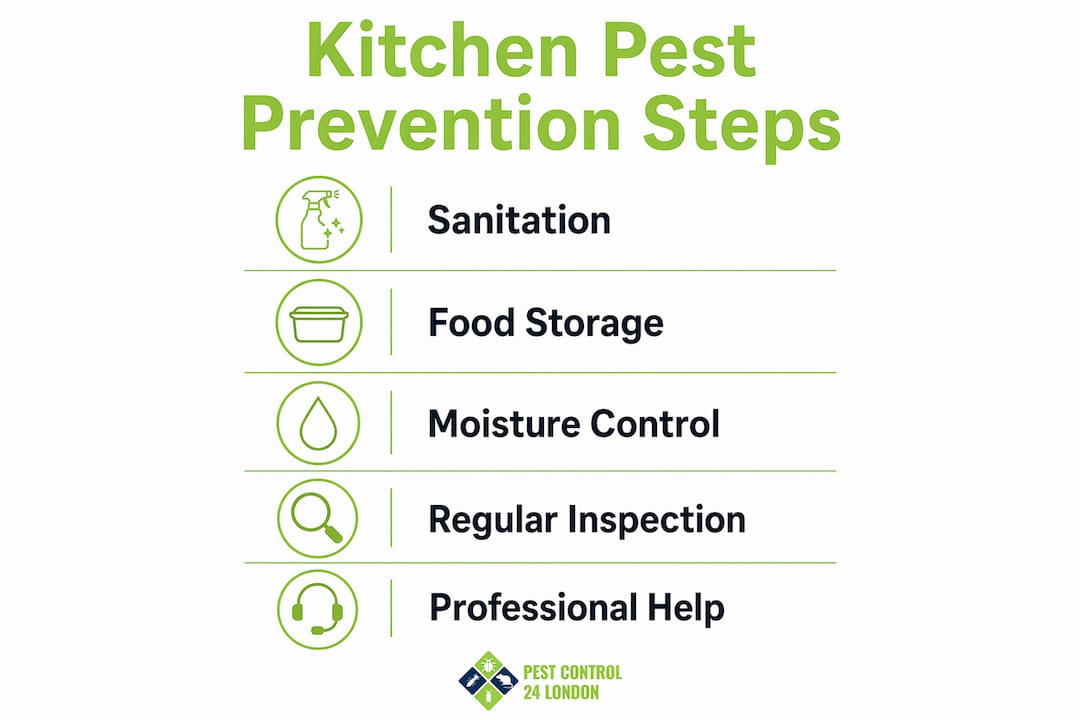
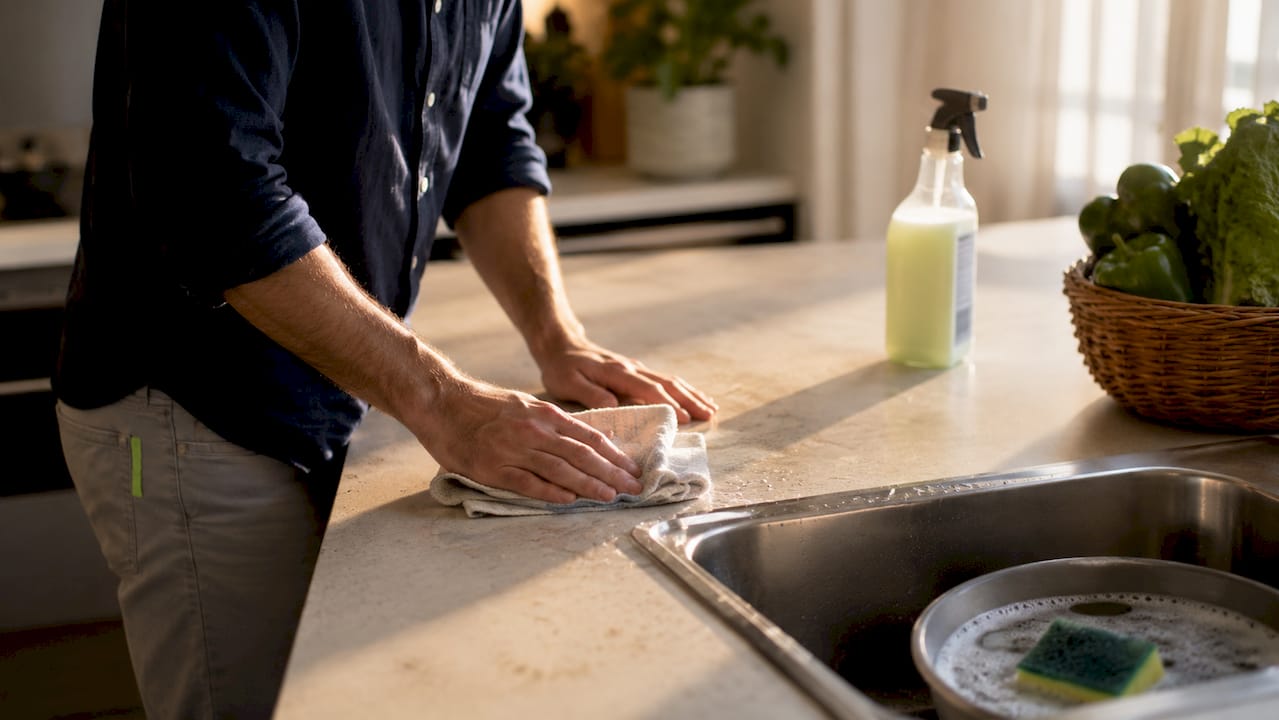
Sanitation is the foundation of kitchen pest prevention. Cleaning beyond visible surfaces matters most: the underside of appliances, the back of shelving, and the inside of cupboard hinges all accumulate debris that feeds pests. A kitchen that looks spotless to the eye can still harbour significant pest activity in these neglected zones.
Food storage is equally critical. Pests like weevils easily penetrate cardboard, making airtight rigid containers the only reliable option for dry goods. Transfer flour, rice, oats, and cereals into sealed containers as a baseline habit, not an occasional measure.
Controlling moisture is as important as controlling food for pest prevention. Fix dripping taps promptly, dry condensation under the sink, and check the drip tray beneath the fridge regularly. Even a clean kitchen sustains pests if damp areas remain unaddressed.
Structural exclusion is the most permanent form of kitchen pest prevention. Seal gaps around pipes, service entries, and the backs of fitted units using wire wool and appropriate filler. This approach is recognised under HACCP guidelines as a baseline standard for food safety environments.
Daily prevention practices that make a measurable difference:
- Wipe down all surfaces after cooking, including the hob, splashback, and worktop edges.
- Store all food in sealed containers, including pet food.
- Empty kitchen bins daily and use bins with tight-fitting lids.
- Check under the sink and behind the fridge weekly for moisture or droppings.
- Seal any new gaps around pipes or skirting boards as soon as they appear.
Pro Tip: Run a monthly inspection using a torch along the back of every fitted unit. Grease marks, droppings, or shed insect skins are the earliest signs of pest activity, and catching them early saves significant time and cost.
What are the best practices for ongoing pest monitoring?
Monitoring is the bridge between prevention and treatment. Placing glue boards behind the fridge is one of the most effective monitoring steps a homeowner can take. The area behind refrigerators is a cockroach hotspot due to warmth and trapped debris. A glue board placed flat against the wall there acts as both a trap and a diagnostic tool, revealing what species are present and in what numbers.
Check monitoring traps every two weeks. A sudden increase in catches signals a growing population that requires intervention. Tracking activity over time gives you a clear picture of whether prevention measures are working or whether a professional inspection is needed.
The comparison below outlines when DIY monitoring is sufficient and when professional pest control is the right call:
| Approach | Best suited for | Limitations |
|---|---|---|
| DIY monitoring | Early detection, low-level activity | Cannot address established infestations |
| DIY treatments | Minor ant trails, single-entry rodent signs | Misidentification leads to wrong treatment |
| Professional inspection | Confirmed sightings, recurring activity | Requires scheduling and cost |
| Professional treatment | Active infestations, structural harbourage | Most effective long-term outcome |
Prevention through sanitation and structural exclusion is significantly more effective than reactive management. Professional pest controllers use targeted baits, gel treatments, and exclusion techniques that are not available to the general public. HACCP compliance in food-related environments legally requires documented pest monitoring, but the same discipline applies to any home kitchen where hygiene is a priority. Pestcontrol24london provides pest population management services that combine monitoring, treatment, and proofing into a single programme.
Key takeaways
Effective kitchen pest control combines sanitation, structural exclusion, regular monitoring, and timely professional intervention to prevent contamination and protect health.
| Point | Details |
|---|---|
| Kitchens attract all pest types | Food, moisture, warmth, and shelter make kitchens the highest-risk room in any home. |
| German cockroaches spread disease fast | A female produces up to 40 eggs every 20–25 days, carrying E. coli and Salmonella. |
| Structural exclusion is permanent | Sealing gaps as small as 6mm around pipes stops rodents more reliably than chemical treatments alone. |
| Moisture control is non-negotiable | Fixing leaks and drying damp zones removes a survival resource pests depend on even in clean kitchens. |
| Professional monitoring adds accuracy | Glue boards and professional inspections identify species and population size before infestations escalate. |
What ten years of kitchen infestations taught me
The most common misconception I encounter is that a clean kitchen is a safe kitchen. Homeowners scrub their worktops and assume the job is done. What they miss is the 15cm gap behind the washing machine, the cracked sealant around the kitchen pipe, or the bag of rice sitting in its original paper packaging at the back of the cupboard. Pests do not care about the visible surfaces. They care about the dark, warm, undisturbed corners that nobody checks.
The second pattern I see repeatedly is reactive thinking. A homeowner spots a mouse, buys a trap, catches one, and considers the problem solved. Mice do not travel alone. If one found a way in, others will follow the same scent trail. The mice prevention checklist approach, where you audit entry points and food storage before a problem appears, is what actually works long term.
Prevention is not glamorous. It is a torch under the fridge every month and a sealed bin every night. But it is far less disruptive than dealing with an established infestation, and far less costly than the structural damage rodents cause when left unchecked.
— Dan
How Pestcontrol24london keeps your kitchen pest-free
A kitchen infestation rarely resolves itself. Pestcontrol24london has been protecting London homes and businesses from pests since 2015, with BPCA-qualified technicians who know exactly where to look and what to treat.

Whether you have spotted signs of activity or want a professional inspection before a problem develops, the team offers targeted treatments covering cockroaches, rodents, flies, and stored product pests. Every visit includes a proofing assessment to address the structural gaps that allow pests back in. For homeowners and renters who want a kitchen they can trust, domestic pest control from Pestcontrol24london is the most reliable next step. Contact the team for a free quote and same-day response across London.
FAQ
Why do kitchens attract more pests than other rooms?
Kitchens provide food, moisture, warmth, and shelter in one space, satisfying every survival need pests require. This combination makes kitchens the highest-risk area in any home for infestation.
What are the most common kitchen pests in UK homes?
German cockroaches, house mice, rats, fruit flies, and stored product pests such as weevils and pantry moths are the most frequently encountered kitchen pests in the UK.
How do I know if I have a cockroach problem in my kitchen?
Daytime sightings, a musty odour, dark droppings resembling ground pepper, and shed skins near appliances are the clearest signs of a cockroach infestation.
Can I manage kitchen pests myself?
DIY monitoring and basic sanitation manage low-level activity, but established infestations require professional treatment using baits, gel applications, and structural exclusion that are not available over the counter.
How often should a kitchen be professionally inspected for pests?
A professional inspection once or twice a year is sufficient for most homes. Kitchens with previous infestations or persistent moisture issues benefit from quarterly visits.