

Pest control is the proactive management of harmful insects, rodents, and other organisms to protect human health, property, and hygiene. Known in the industry as pest management, it goes far beyond removing a nuisance. Understanding why is pest control important in 2026 means recognising it as a frontline public health intervention, one that shields your home, your business, and your family from threats that are growing more serious each year.
Why is pest control important in 2026 for your health?
Pests are disease vectors. Mosquitoes transmit malaria and dengue fever. Rodents spread leptospirosis and hantavirus through their urine and droppings. Ticks carry Lyme disease and a growing list of emerging pathogens. Emergency departments in the US reported the highest weekly tick bite visit rates since 2017 in may 2026. That figure signals a clear upward trend in pest-borne disease risk that affects communities on both sides of the Atlantic.
Professional pest management interrupts disease transmission routes, reducing the spread of pathogens before they reach vulnerable people. Children, older adults, and immunocompromised individuals face the greatest risk from infestations. Acting early is the most reliable way to protect them.
Key health threats posed by common pests include:
- Rodents: gnawing through food packaging and contaminating surfaces with droppings, urine, and larvae-harbouring nesting material
- Cockroaches: triggering asthma and allergic reactions, particularly in children, through shed skin and faecal matter
- Ticks and mosquitoes: transmitting serious infectious diseases with increasing frequency in urban and suburban areas
- Flies: landing on food preparation surfaces and transferring bacteria from waste to kitchens within seconds
Pro Tip: If you spot one rodent or cockroach, assume there are more. These pests breed rapidly and remain hidden until an infestation is well established. Early professional inspection prevents a small problem from becoming a serious health risk.
How does pest control protect property and save money?
Structural damage from pests is one of the most underestimated financial risks facing property owners. Termites alone cause approximately $5 billion in yearly damages in the US, and most homeowners insurance policies exclude that damage entirely. In the UK, rodents gnaw through electrical wiring, insulation, and timber, creating fire hazards and structural weaknesses that are expensive to repair.
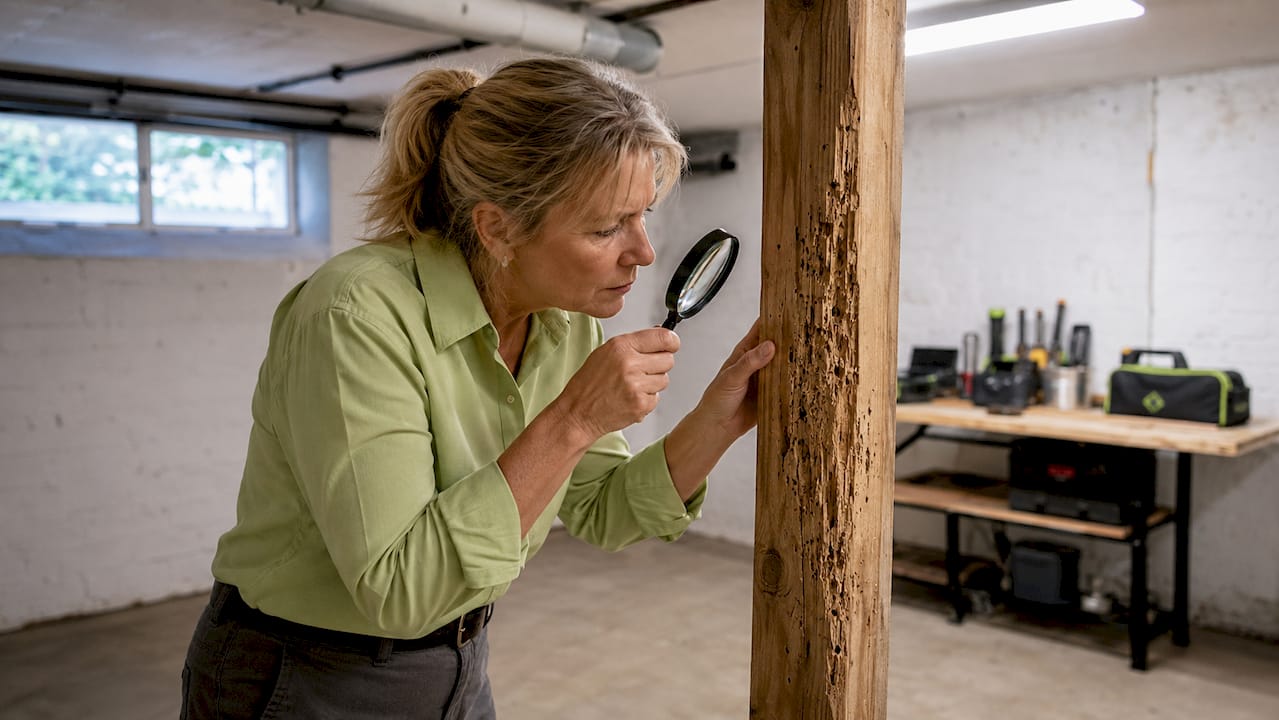
The hidden costs of pest infestation routinely exceed the price of preventive services. Structural repairs, replacement of contaminated stock, and health-related absences all add up quickly. Professional pest management saves UK households and businesses £1.9 billion annually by preventing these disruptions before they occur. That figure represents direct cost savings, not including the £1 billion gross value added to the economy each year by the sector.
Property transactions are also affected. Buyers and sellers who hold a documented history of pest control avoid costly remediation demands or devaluation during surveys and sales. A clean pest management record is a genuine asset when selling a home or commercial premises.
| Pest type | Typical damage | Average cost without treatment |
|---|---|---|
| Rodents | Wiring, insulation, timber gnawing | Thousands in structural repairs |
| Termites | Structural timber destruction | Up to $5 billion annually (US) |
| Cockroaches | Food contamination, hygiene failures | Regulatory fines and stock loss |
| Pigeons | Roof and gutter damage, corrosive droppings | Hundreds to thousands in cleaning |
Pro Tip: A pest control contract spreads the cost of ongoing protection across the year and provides scheduled inspections that catch problems before they escalate into expensive repairs.
Why is hygiene and compliance a core reason pest control matters?
Pests destroy between 20% and 40% of the world’s food crops every year. That scale of loss makes pest management a legal requirement in food production, storage, and service environments, not merely a recommendation. In the UK, the Food Safety Act 1990 and associated regulations place a clear duty on food businesses to maintain pest-free premises.
For businesses in hospitality, retail, and healthcare, the consequences of a pest sighting go beyond fines. A single inspection failure can trigger closure, reputational damage, and loss of contracts. Hospitals and schools face particular scrutiny because their occupants are among the most vulnerable to pest-borne illness.
The four environments where hygiene compliance makes pest control non-negotiable are:
- Restaurants and takeaways: A cockroach or rodent sighting during an Environmental Health inspection results in immediate enforcement action and potential closure.
- Food warehouses and retailers: Rodent contamination of stock triggers product recalls and supply chain disruption.
- Hospitals and care homes: Pest infestations compromise sterile environments and put patients at direct risk of infection.
- Schools and nurseries: Children are particularly susceptible to allergens from cockroach droppings and to diseases spread by rodents.
Sustainable methods such as Integrated Pest Management reduce chemical exposure in these sensitive environments while maintaining compliance. IPM principles combine habitat modification, exclusion, and targeted treatment to meet legal standards without unnecessary chemical use.
What modern pest control approaches are most effective in 2026?
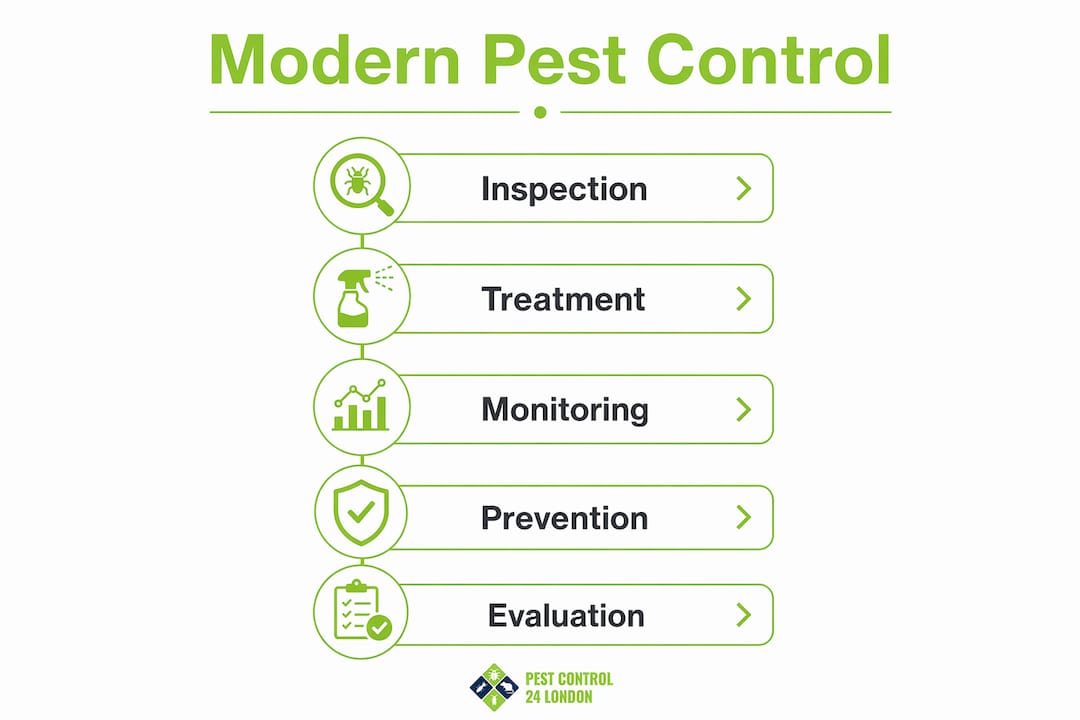
Integrated Pest Management is the recognised standard for professional pest control in 2026. It replaces blanket chemical application with a structured process: identify the pest, assess the risk, modify the environment, apply targeted treatment only where necessary, and monitor outcomes. Scientific approaches including IPM consistently outperform DIY treatments in long-term effectiveness and cost efficiency.
| Approach | Method | Outcome |
|---|---|---|
| DIY treatment | Off-the-shelf sprays and traps | Temporary suppression, no root cause addressed |
| Integrated Pest Management | Identification, exclusion, targeted treatment, monitoring | Long-term control with reduced chemical use |
| Professional ongoing contract | Scheduled inspections and rapid response | Prevention-led, documented compliance record |
Technology is also changing how pest management is delivered. Remote monitoring devices detect rodent activity in real time, allowing technicians to respond before an infestation takes hold. Digital reporting provides business owners with auditable records for compliance purposes. These advances make professional pest management more precise and more accountable than ever before.
How can homeowners and business owners apply proactive pest control?
Proactive pest control is built on prevention rather than reaction. The pest management tips for 2026 that deliver the best results are straightforward to implement when you know what to look for.
Practical steps every property owner should take include:
- Schedule routine inspections at least twice a year with a qualified pest control professional, ideally in spring and autumn when pest activity increases
- Seal entry points around pipes, cables, and vents, as rodents can enter through gaps as small as a 10p coin
- Remove food and water sources by storing food in sealed containers, fixing leaking pipes, and clearing standing water from gutters and drains
- Modify the habitat by keeping vegetation away from building walls, clearing clutter from loft spaces, and maintaining clean bin storage areas
- Hire BPCA-qualified professionals who carry the British Pest Control Association accreditation, confirming they meet national standards for safety and effectiveness
The BPCA estimates over 4.4 million pest control jobs are carried out in the UK each year, covering everything from domestic homes to transport hubs. That volume reflects how widespread pest pressure is across all property types.
Key takeaways
Professional pest management is a preventative public health measure that protects health, preserves property value, and delivers measurable economic savings for homeowners and businesses alike.
| Point | Details |
|---|---|
| Health protection | Pest control interrupts disease transmission routes, reducing risk to children and vulnerable adults. |
| Financial savings | UK pest management saves £1.9 billion annually by preventing structural damage and business disruption. |
| Legal compliance | Food businesses and care environments face legal obligations to maintain pest-free premises. |
| IPM effectiveness | Integrated Pest Management outperforms DIY methods through targeted treatment and ongoing monitoring. |
| Proactive prevention | Routine inspections and habitat modification stop infestations before they become costly emergencies. |
Why I believe pest control is one of the smartest investments you can make in 2026
After more than a decade working in pest management across London, the pattern I see most often is this: people call us after the damage is done. A rodent infestation has been running for months. Wiring has been gnawed. Stock has been contaminated. The cost of remediation is three or four times what a prevention programme would have cost.
The misconception I hear most is that pest control is only needed when you see something. That thinking is exactly backwards. By the time you see a rat or a cockroach in daylight, the infestation is already established. The real value of professional pest management is what you never see: the outbreak that never happened, the structural damage that was caught early, the Environmental Health inspection that passed without incident.
Pest control in 2026 is not a luxury or a reactive fix. It is a form of property and public health insurance that pays for itself. I would encourage every homeowner and business owner to treat it that way.
— Dan
How Pestcontrol24london can protect your property in 2026
Pestcontrol24london has been delivering professional pest management across London since 2015, serving hotels, restaurants, schools, and residential properties. The team is BPCA fully qualified and available 24/7 for both emergency response and planned prevention programmes.

Whether you need domestic pest control for your home or a structured commercial pest management contract for your business, Pestcontrol24london provides expert identification, targeted treatment, and ongoing monitoring. Free quotes are available, and the team responds rapidly to urgent situations across all London boroughs. Contact Pestcontrol24london today to arrange an inspection and put a prevention plan in place before a problem develops.
FAQ
What is pest control and why does it matter?
Pest control is the professional management of insects, rodents, and other harmful organisms to protect health, property, and hygiene. It matters because pests transmit disease, cause structural damage, and create legal compliance failures for businesses.
How often should I arrange pest control for my home?
Professional inspections at least twice a year are recommended, typically in spring and autumn. Properties with previous infestations or high-risk features such as food storage or older construction may require more frequent visits.
Is professional pest control better than DIY treatments?
Professional pest control consistently outperforms DIY methods because it combines accurate identification, targeted treatment, and ongoing monitoring. DIY products suppress surface activity without addressing the root cause of an infestation.
What are the legal requirements for pest control in food businesses?
UK food businesses are legally required under the Food Safety Act 1990 to maintain pest-free premises. Failure to comply can result in enforcement action, closure, and significant financial penalties from Environmental Health officers.
How much can pest control save me compared to treating an infestation?
Professional pest management saves UK businesses and households £1.9 billion annually in prevented damage and disruption. The cost of reactive treatment and structural repair routinely exceeds the price of a planned prevention programme.