

Hiring pest control experts is the most reliable way to eliminate a pest infestation safely, completely, and with lasting results. Professional pest management, the industry’s standard term for structured, multi-step treatment programmes, goes far beyond spraying a product and hoping for the best. Whether you are dealing with rodents in a restaurant kitchen or a wasp nest in a loft, the reasons to hire exterminators are grounded in safety, efficacy, and genuine cost-effectiveness. This guide explains exactly what professional services deliver and why DIY alternatives consistently fall short.
Why hire pest control experts over DIY methods
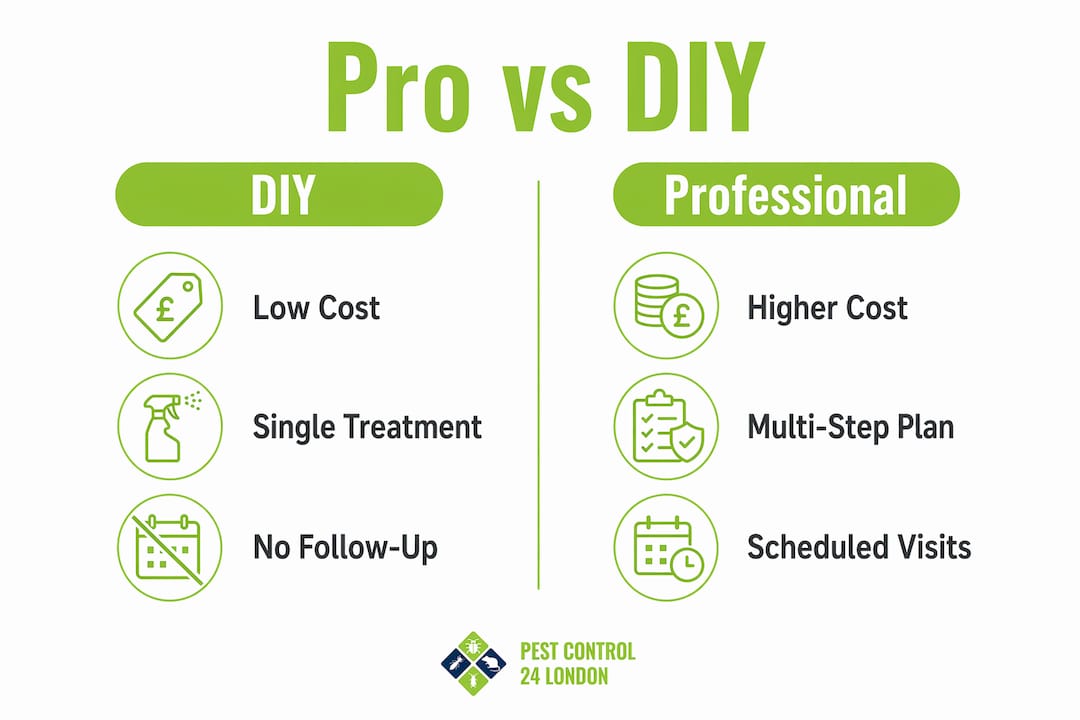
Professional pest control services follow a multi-step treatment process that DIY approaches simply cannot replicate. That structured process is the core reason expert management produces superior, lasting results.
A qualified technician works through four distinct stages:
- Inspection. The technician identifies the pest species, locates entry points, and assesses the full extent of the infestation. Species identification matters because treatment strategies differ significantly between, say, German cockroaches and Oriental cockroaches.
- Customised treatment plan. Based on the inspection findings, the technician selects the appropriate products, methods, and timing. A plan tailored to your property is far more effective than a generic off-the-shelf solution.
- Targeted application. Professional-grade products are applied at the correct dosage and in the precise locations where pests breed, travel, and feed. Correct dosage and placement reduces health risks that are common when homeowners misuse retail pesticides.
- Follow-up visits and monitoring. The technician returns to confirm the treatment has worked, retreats if necessary, and advises on prevention. This follow-up stage is what separates a complete solution from a temporary fix.
By contrast, a typical DIY attempt skips the inspection and follow-up entirely. Most homeowners apply a product once, see an initial reduction in activity, and assume the problem is resolved. Larvae, eggs, and hidden colonies often survive, and the infestation returns within weeks.
Pro Tip: Before your technician arrives, read the preparation steps for pest treatment specific to London homes. Small actions like clearing under kitchen units can significantly improve treatment access and results.
Professional vs DIY pest control: cost, time, and results
The cost comparison between professional and DIY pest control is more nuanced than it first appears. Many homeowners assume DIY is always cheaper. The data tells a different story.
| Factor | DIY Approach | Professional Service |
|---|---|---|
| Annual cost (common pests) | £65–£80 for a basic toolkit | £240–£480 for quarterly visits |
| Termite treatment | £120–£320 (bait stations, risk of failure) | £400–£2,000 with warranty |
| Time per treatment | 45–60 minutes plus cleanup | 20–30 minutes, no cleanup required |
| Follow-up included | No | Yes, with retreatment if needed |
| Warranty | None | Standard with reputable providers |
A DIY toolkit costs roughly £65–£80 annually for common pests, while quarterly professional visits run £240–£480. That price difference narrows considerably once you factor in the time, repeated purchases, and the cost of a failed treatment that allows an infestation to worsen.
For structural pests such as termites, the financial risk of DIY failure is severe. Professional termite treatment ranges from £400 to £2,000 and includes a warranty covering retreatment if the infestation persists. DIY bait stations cost £120–£320 but carry a genuine risk of incomplete elimination and subsequent structural damage costing far more to repair.
Key advantages of professional services in this comparison:
- Time efficiency. Professional treatments take 20–30 minutes versus 45–60 minutes plus cleanup for DIY. That time saving compounds across multiple treatments per year.
- Product access. While homeowners can purchase some professional-grade products online, applying them correctly without training is a separate challenge entirely.
- Guaranteed outcomes. Warranties offer free retreatment if the infestation persists, a level of risk management that no DIY approach can match.
What are the key benefits of hiring pest experts?
The advantages of hiring pest experts extend well beyond simply removing visible pests. The most significant benefits fall into three categories: health protection, property protection, and long-term prevention.
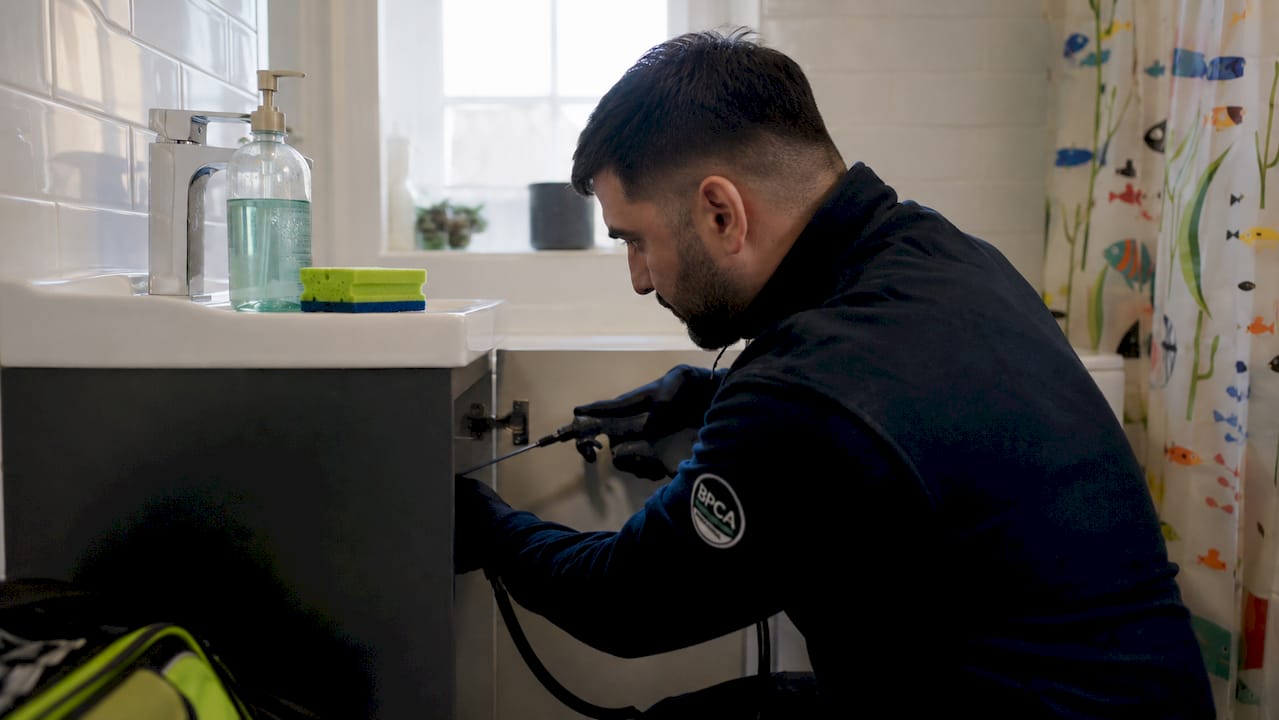
Health protection is the most immediate concern. Professional pest control reduces disease vectors, allergy triggers, and food contamination risks. Rodents carry leptospirosis; cockroaches trigger asthma in children; stored-product insects contaminate food supplies in commercial kitchens. Removing these threats protects the people living and working in your property.
Property protection is the longer-term concern. Termites, wood-boring beetles, and rodents cause structural damage that is expensive to repair. Professional pest management disrupts breeding cycles and seals entry points, providing lasting protection rather than a short-term fix. For businesses, a pest sighting can also trigger regulatory action or reputational damage that far exceeds the cost of prevention.
Long-term prevention is where Integrated Pest Management, known as IPM, becomes relevant. IPM is the professional standard that combines targeted treatments with non-chemical measures such as proofing, sanitation advice, and habitat modification. Sanitation and exclusion alone account for roughly 50% pest pressure reduction. Professionals emphasise these measures alongside chemical treatments, which is why their results last longer.
- Correct pesticide application reduces exposure risk for children and pets
- Proofing and sealing entry points prevents reinfestation after treatment
- Warranties on structural pest treatments protect your financial investment
- Expert advice on sanitation and storage reduces future pest attraction
- BPCA-qualified technicians, such as those at Pestcontrol24london, follow regulated standards for product use and safety
Pro Tip: Ask your technician about ongoing pest protection for your home. A scheduled maintenance plan is almost always cheaper than treating a recurring infestation from scratch.
When should you call pest control professionals?
Timing is one of the most critical factors in pest management. Delaying professional help until an infestation worsens increases both the complexity and the cost of treatment. Early intervention is a genuine financial investment, not an unnecessary expense.
Call a professional when you notice any of the following:
- Droppings, gnaw marks, or grease trails indicating rodent activity
- Live or dead insects in numbers, particularly in kitchens or food storage areas
- Structural damage such as hollow-sounding timber or frass (wood dust from boring insects)
- Unusual odours, which can indicate a large rodent colony or a dead animal within a wall cavity
- Repeated sightings after a DIY treatment, which signals an established colony rather than an isolated individual
For businesses, the threshold for calling professionals should be lower still. A single cockroach sighting in a food preparation area is sufficient grounds for immediate expert intervention. The reputational and regulatory consequences of a pest-related closure far outweigh the cost of a professional visit.
Some situations require emergency response. A wasp nest near a public entrance, a rat infestation in a food storage area, or a bed bug outbreak in a hotel room cannot wait for a scheduled appointment. Knowing when emergency pest control is needed can prevent a manageable problem from becoming a serious one.
Professional pest control is an investment that prevents long-term damage and health risks. Treating it as a reactive expense rather than a proactive measure is the most common and costly mistake property owners make.
Key takeaways
Professional pest control is the most cost-effective, safe, and lasting solution for managing infestations in homes and businesses.
| Point | Details |
|---|---|
| Multi-step process works | Inspection, customised plan, targeted treatment, and follow-up eliminate infestations completely. |
| Professional cost is justified | Warranties, time savings, and guaranteed retreatment make professional services better value long-term. |
| Health and property both benefit | Experts reduce disease vectors, prevent structural damage, and apply IPM prevention strategies. |
| Early intervention saves money | Calling professionals at the first sign of pests costs significantly less than treating an advanced infestation. |
| Warranties protect your investment | Professional guarantees cover retreatment if pests return, a protection DIY cannot offer. |
What ten years of pest jobs has taught me about going professional
Having worked in pest control across London since 2015, I have seen the same pattern repeat itself more times than I can count. A homeowner spends three or four weeks trying supermarket sprays and foam sealant, the problem appears to settle, and then six weeks later they call us with a far worse infestation than the one they started with.
The honest truth is that most DIY failures are not caused by laziness or carelessness. They happen because identifying the correct species, locating the full extent of a colony, and selecting the right product combination genuinely requires training. A rat run and a mouse run look similar to an untrained eye, but the treatment protocols are different. Getting that wrong does not just waste money. It can drive pests deeper into the structure of a building, making them harder to reach.
What I find most undervalued by homeowners is the follow-up visit. That second appointment is where we confirm the treatment has worked, identify any surviving activity, and advise on the structural changes that will stop the problem returning. Without it, you are guessing. With it, you have a documented outcome and a warranty to back it up.
My advice is simple. Use professional services for any infestation that has been present for more than a week, involves structural pests, or has already resisted one DIY attempt. For routine prevention, the domestic pest control guide for London homes is a solid starting point for understanding what proactive protection looks like in practice.
— Dan
Protect your property with Pestcontrol24london
Pestcontrol24london has been serving homes and businesses across London since 2015, with BPCA-qualified technicians handling everything from rodent infestations in residential properties to complex commercial pest management contracts.

Whether you need a same-day response to an active infestation or a scheduled maintenance programme to keep your premises pest-free year-round, Pestcontrol24london offers 24/7 emergency pest control with free quotes and no call-out fee. For business owners, the dedicated commercial pest control service covers restaurants, hotels, offices, and food retail premises with full compliance documentation. Contact Pestcontrol24london today to book an inspection and get a clear, no-obligation quote.
FAQ
What does a professional pest control visit involve?
A professional visit covers inspection, a customised treatment plan, targeted product application, and a scheduled follow-up. The multi-step process ensures the infestation is fully eliminated rather than temporarily suppressed.
Is professional pest control worth the cost compared to DIY?
Professional services cost more upfront but include warranties, follow-up visits, and time savings that DIY cannot match. For structural pests such as termites, the warranty alone justifies the cost by covering retreatment if the infestation persists.
How quickly should i call a pest control expert after spotting pests?
Call a professional at the first confirmed sign of infestation. Delaying treatment allows colonies to grow, increases treatment complexity, and raises the overall cost significantly.
Can professional pest control prevent future infestations?
Yes. Professionals apply Integrated Pest Management strategies, including proofing, sanitation advice, and habitat modification, that reduce pest pressure by around 50% beyond what chemical treatment alone achieves.
Do pest control experts use products that are safe for children and pets?
Qualified technicians apply pesticides at the correct dosage and placement to minimise exposure risk. Expert application is significantly safer than the misuse of retail products that commonly occurs in DIY treatments.