

Qualified pest control is defined as pest management delivered by licensed, insured, and trained professionals who follow regulated procedures, use approved products, and apply methods that protect both occupants and the environment. Choosing qualified services over unverified alternatives is the single most important decision a homeowner or property manager can make when facing an infestation. The difference between a certified technician and an unlicensed operator is not merely paperwork. It is the difference between a lasting solution and a recurring problem that costs more to fix each time.
Why choose qualified pest control: credentials that matter
The foundation of any legitimate pest control service is a valid regulatory licence. Licensed professionals must carry insurance, employ a certified operator in charge of treatments, and meet statutory training and record-keeping requirements. Without these, you have no legal recourse if something goes wrong on your property.
Beyond the baseline licence, look for specialty certifications that require exams, practical assessments, and continuing education. Certificates issued without hands-on assessment are often marketing tools rather than genuine indicators of competence. The British Pest Control Association (BPCA) qualification, for example, requires demonstrated field knowledge and ongoing professional development. Pestcontrol24london holds full BPCA certification, which places it within a small group of London providers meeting this standard.
The certified operator in charge plays a specific and critical role. This individual supervises treatment choices, selects appropriate products, and takes legal responsibility for compliance. Their presence distinguishes a regulated business from one that simply sends a technician with a spray bottle.
- Verify the company holds a current regulatory licence before booking
- Ask specifically whether a certified operator in charge will oversee your treatment
- Check that insurance covers both public liability and treatment-related damage
- Confirm the technician holds a qualification with a verifiable exam component, such as BPCA or RSPH Level 2
Pro Tip: Request the licence number and verify it directly with the issuing authority. Legitimate companies will provide this without hesitation.
How does integrated pest management ensure safer results?
Integrated Pest Management (IPM) is the industry standard approach used by qualified professionals. IPM is defined as a dynamic, iterative process combining accurate diagnosis, targeted treatment, ongoing monitoring, and customer education. It is not a single visit with a chemical spray. It is a structured programme designed to address the root cause of an infestation and prevent recurrence.
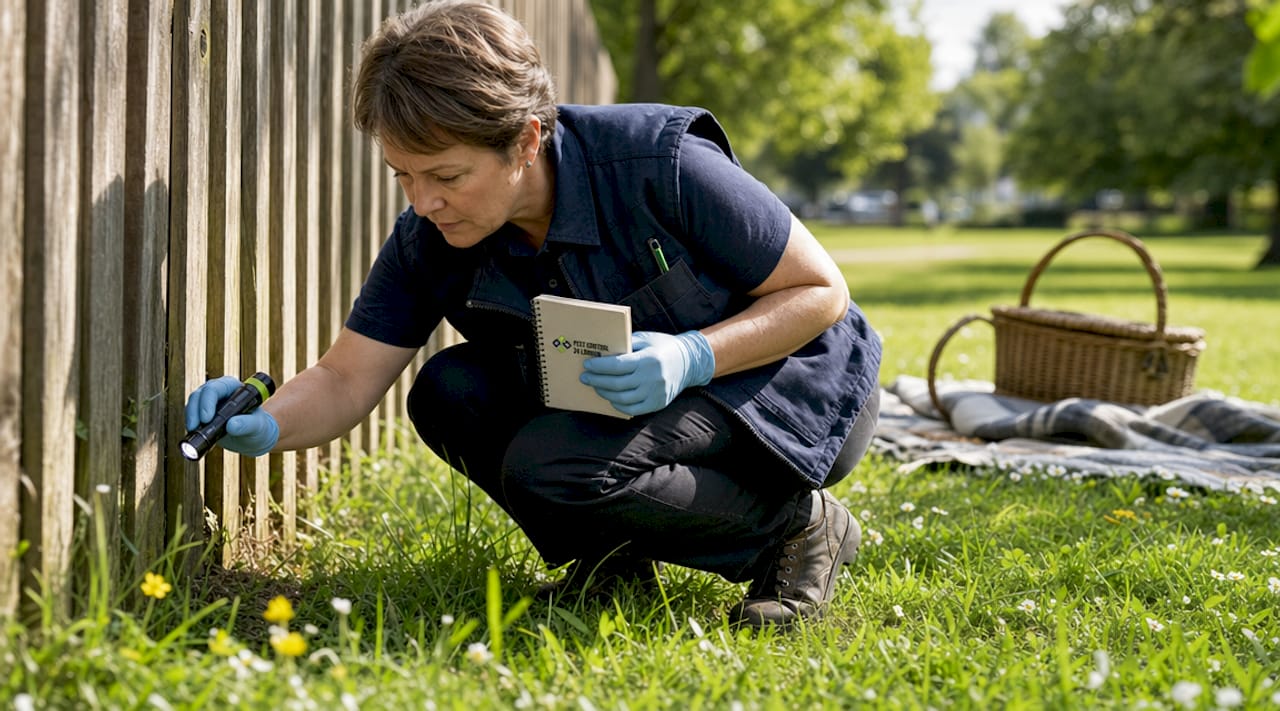
The practical advantages of IPM over traditional methods are significant. Licensed technicians using IPM apply gel baits in secure stations, crack-and-crevice treatments, and perimeter barriers. These targeted applications reduce chemical exposure for your family and pets compared to broad-spectrum spraying used by unqualified operators.
Here is how a qualified IPM programme typically unfolds:
- Inspection and diagnosis. The technician identifies the species, the extent of the infestation, and the entry points or conditions enabling it.
- Treatment plan. A written plan is produced detailing the methods, products, timelines, and expected outcomes.
- Initial treatment. Targeted applications are made using commercial-grade products and equipment not available to consumers.
- Monitoring visits. Follow-up inspections confirm treatment effectiveness and catch any secondary activity early.
- Customer education. The technician advises on proofing, sanitation, and behavioural changes that reduce future risk.
Pro Tip: Ask your provider whether monitoring visits are included in the service agreement. A qualified company will schedule these as standard, not as an optional extra.
Qualified experts vs DIY: what are the real differences?
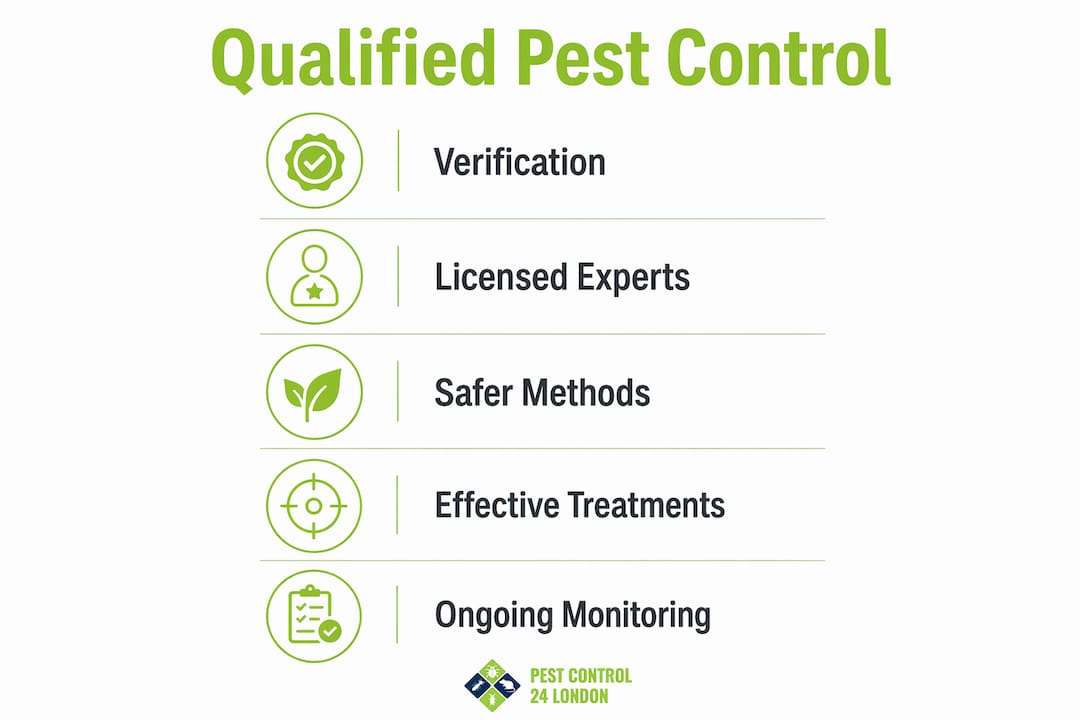
The practical gap between a qualified professional and a DIY approach is wider than most homeowners expect. Professionals access commercial-grade products and equipment including injection equipment and commercial dusters that are simply not available over the counter. This means treatments reach harbourage areas that consumer products cannot.
For complex infestations involving termites, bed bugs, or rodents, DIY controls frequently fail to achieve lasting results. The upfront cost of professional treatment is higher, but the total cost over time is lower because qualified services typically include warranties and retreatment guarantees. Repeated failed DIY attempts add up quickly, both financially and in terms of ongoing property damage.
The EPA recommends that homeowners dealing with rodent infestations seek qualified professional help due to the hazards involved and the technical requirements of effective control. This is not a precautionary suggestion. It reflects the genuine risk of mishandling rodenticides and the likelihood of incomplete treatment without professional knowledge.
| Factor | Qualified professional | DIY or unlicensed operator |
|---|---|---|
| Product access | Commercial-grade, regulated products | Consumer-grade products only |
| Species diagnosis | Accurate, species-specific identification | Often generic and inaccurate |
| Treatment warranty | Retreatment guarantee included | No guarantee |
| Safety compliance | Follows regulatory label directions | No oversight or accountability |
| Long-term outcome | Monitored and adjusted over time | Single application, no follow-up |
“Hiring qualified pest control professionals mitigates risks related to hazardous chemical use and ensures treatments are safe and compliant with regulations.” — EPA guidance on rodent control
How to choose the right pest control service for your property
Selecting a qualified provider requires more than reading online reviews. The following criteria give you a reliable framework for vetting any pest control company before you commit.
- Licence and insurance. Ask for the licence number and confirm the company carries public liability insurance. This is non-negotiable.
- Certified operator in charge. Confirm that a certified individual will supervise your treatment, not just a trainee technician working alone.
- Written treatment plan. Qualified providers produce written plans describing the pest, the treatment rationale, the products used, and the expected timeline. If a company cannot provide this, look elsewhere.
- Verifiable credentials. Prioritise companies holding certifications with practical assessments and continuing education requirements, such as BPCA membership.
- Local experience and references. A company with a track record in your area will understand local pest pressures, seasonal patterns, and property types. Ask for references or check verified reviews.
- Service terms and warranties. Understand what retreatment guarantees are offered and under what conditions they apply before signing any agreement.
For property managers overseeing multiple sites, pest control documentation is an additional consideration. Qualified providers maintain treatment records that support compliance audits and demonstrate due diligence to insurers or local authorities.
Key takeaways
Choosing qualified pest control is the most reliable way to achieve safe, lasting results because it combines regulatory accountability, accurate diagnosis, and structured follow-up that unqualified operators cannot match.
| Point | Details |
|---|---|
| Credentials are the baseline | Verify a current licence, insurance, and a certified operator in charge before booking any service. |
| IPM delivers lasting results | Qualified professionals use structured inspection, targeted treatment, and monitoring to prevent recurrence. |
| Professional products outperform DIY | Commercial-grade equipment and regulated products reach areas that consumer treatments cannot. |
| Written plans create accountability | A qualified provider produces a treatment plan with rationale, timelines, and expected outcomes. |
| Warranties reduce long-term cost | Retreatment guarantees from certified services cost less over time than repeated failed DIY attempts. |
What ten years of London pest work has taught me about qualifications
Having worked across London properties since 2015, I have seen the same pattern repeat itself more times than I can count. A homeowner tries an unlicensed operator because the price is lower. The treatment fails, the infestation worsens, and by the time a qualified technician arrives, the problem has spread to neighbouring rooms or units. The cost of remediation at that stage is always significantly higher than the original qualified treatment would have been.
The aspect most homeowners overlook is the certified operator in charge. This is not a bureaucratic formality. It is the person who takes legal and professional responsibility for what goes on your property. Without that individual in the chain, there is no accountability if a treatment causes harm or simply does not work.
I also think the industry undersells IPM as a concept. Most people hear “pest control” and picture a one-off spray. The reality of a properly delivered IPM programme is closer to a GP relationship than a single prescription. You get diagnosis, a treatment plan, follow-up, and adjustment based on results. That ongoing relationship is where the real value of professional pest protection lies, and it is something no unlicensed operator can replicate.
— Dan
Trusted, qualified pest control across London from Pestcontrol24london
Pestcontrol24london has delivered BPCA-certified pest control across London since 2015, serving residential properties, hotels, restaurants, and commercial premises with the same standard of qualified care. Every treatment is overseen by a certified operator, backed by insurance, and delivered through a written IPM plan tailored to your specific infestation and property type.
Whether you need emergency pest control with same-day response or a scheduled prevention programme for your home or business, Pestcontrol24london provides transparent quotes, clear treatment plans, and retreatment guarantees. Contact the team today to discuss your situation and receive a free, no-obligation quote from a fully qualified London pest control specialist.
FAQ
What qualifications should a pest control company hold?
A qualified pest control company should hold a current regulatory licence, carry public liability insurance, and employ a certified operator in charge. In the UK, BPCA membership is a recognised indicator of professional standards and continuing education.
Is professional pest control safer than DIY treatments?
Yes. Licensed technicians follow regulated label directions, use targeted application methods such as crack-and-crevice treatments, and apply products in ways that minimise exposure to occupants and pets. The EPA recommends professional help for infestations involving rodenticides due to the hazards of misuse.
What is IPM and why does it matter?
IPM stands for Integrated Pest Management. It is a structured approach combining diagnosis, targeted treatment, monitoring, and customer education to address infestations at their source and prevent recurrence. Qualified professionals use IPM as standard because it produces more reliable, longer-lasting results than single-visit chemical treatments.
How do I verify that a pest control company is genuinely qualified?
Ask for the company’s licence number and verify it with the issuing authority. Confirm that certifications held by their technicians required a practical assessment and ongoing continuing education, rather than being marketing-only certificates. Request a written treatment plan before any work begins.
Why do qualified pest control services cost more than unlicensed alternatives?
Qualified services carry the costs of licensing, insurance, certified supervision, commercial-grade products, and follow-up visits. These elements are what make treatments effective and accountable. Professional treatments with warranties consistently cost less over time than repeated failed attempts with cheaper, unqualified operators.