

Most homeowners only think about pest control when they spot a mouse behind the fridge or find cockroach droppings in the kitchen. That instinct is understandable, but it is also the costliest approach you can take. Why choose preventative pest control instead? Because by the time pests are visible, they have already been active in your property for weeks, sometimes months. Preventative pest management shifts the strategy: you protect your home before the damage is done, rather than scrambling to undo it. This article explains why that shift makes financial, practical, and health-related sense.
Table of Contents
- Key takeaways
- Why preventative pest control works differently
- The real cost of doing nothing
- Health and safety benefits
- Building a custom preventative plan
- Common myths about pest prevention
- My view after years of seeing the difference
- Protect your property with Pestcontrol24london
- FAQ
Key takeaways
| Point | Details |
|---|---|
| Prevention beats reaction | Addressing pest risks before an infestation avoids costly structural and financial damage. |
| Strong return on investment | Every £1 spent on exclusion and sanitation saves £5 to £10 in future treatment costs. |
| Health protection matters | Preventing infestations reduces exposure to pest-borne allergens, bacteria, and disease vectors. |
| Custom plans outperform DIY | Professional assessments identify property-specific vulnerabilities that generic approaches miss entirely. |
| Ongoing care is non-negotiable | Year-round pest management should be treated as a permanent part of responsible property maintenance. |
Why preventative pest control works differently
Reactive pest control arrives after the problem is already established. Preventative pest management, by contrast, aims to stop conditions that allow pests to thrive in the first place. The goal is not to spray first and ask questions later. The goal is to create an environment where pests cannot gain a foothold.
The most effective framework for this is Integrated Pest Management, or IPM. IPM uses a sequential strategy: prevention first, then monitoring, accurate identification, and only then targeted treatment using the least toxic methods available. It is a structured, disciplined approach that treats chemical intervention as a last resort rather than the opening move.
In practical terms, preventative pest management prioritises the following:
- Sealing entry points such as gaps around pipes, cracks in walls, and deteriorated door seals
- Removing food and water sources that attract pests, including leaking taps and unsealed food storage
- Reducing clutter in loft spaces, basements, and outbuildings where rodents and insects nest
- Managing moisture levels, since damp conditions attract a wide range of insects and rodents
- Scheduling regular property inspections to detect early signs before they escalate
Pro Tip: Seal gaps around utility pipes with steel wool before applying filler. Rodents can gnaw through standard sealant, but steel wool combined with an appropriate mesh is far more resistant.
Physical exclusion and environmental management consistently deliver more long-term value than chemical sprays alone. Prevention is not just about what you apply to a property. It is about what you change within it.
The real cost of doing nothing
The financial argument for prevention is straightforward, but the numbers often surprise people. Consider what reactive pest control actually costs: a rodent infestation in a loft can destroy insulation, gnaw through electrical cables, and contaminate stored items. Repairs to wiring alone can run into hundreds of pounds. Structural repairs from a persistent dampness-related insect problem can cost far more.
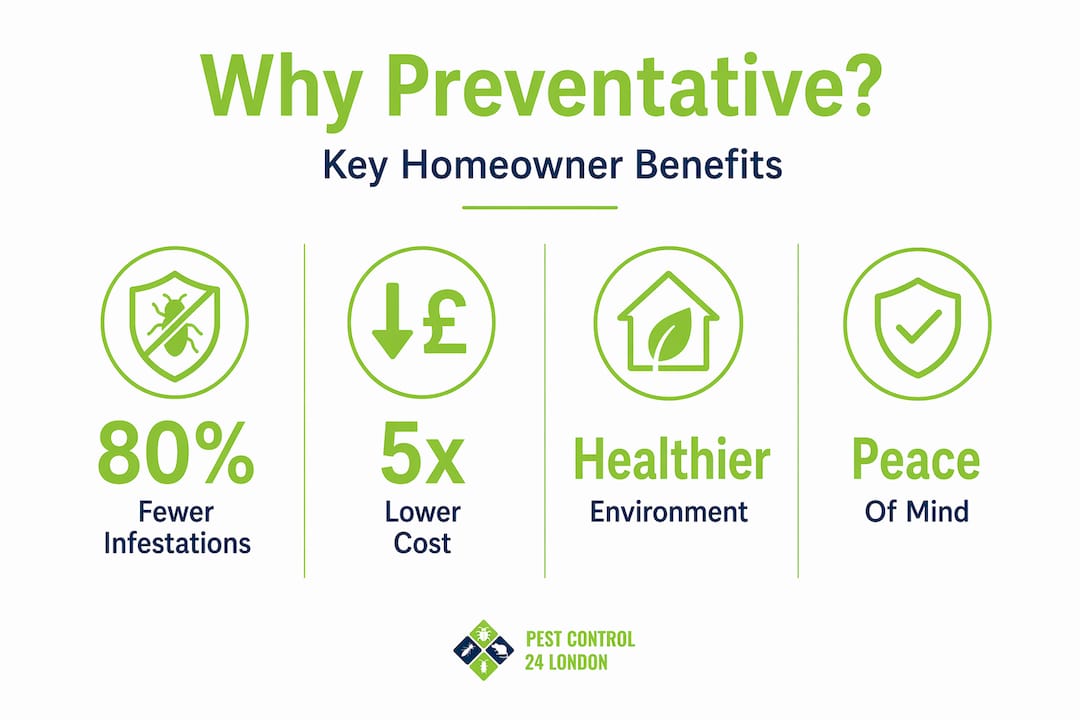
Research consistently shows that prevention saves significantly compared to reactive treatment, with every pound invested in exclusion and sanitation returning five to ten pounds in avoided costs. Proactive prevention systems deliver high cost-effectiveness when supported by consistent investment and monitoring.
| Scenario | Approximate cost | Outcome |
|---|---|---|
| Preventative annual plan | £150 to £400 per year | Early detection, low disruption, reduced risk |
| Single reactive rodent treatment | £100 to £300 per visit | Addresses active infestation, repeat visits likely |
| Structural repair after infestation | £500 to £3,000+ | Damage already done, no pest control included |
| Contaminated food stock replacement | £50 to £500+ | Immediate loss, health risk exposure |
Reactive treatments also carry financial unpredictability. You cannot budget for an emergency call-out in the way you can plan for a scheduled maintenance visit. A pest-proofing strategy for your home brings that unpredictability under control. For property managers overseeing multiple units, the case for prevention becomes even more compelling.
Health and safety benefits
Pests are not merely a nuisance. They are a genuine health risk. Rodents, cockroaches, and fleas carry allergens, bacteria, and in some cases disease vectors that affect air quality and food safety within a property. Cockroach droppings, for instance, are a documented trigger for asthma, particularly in children.
The health advantages of preventative pest management include:
- Reduced allergen levels in the home, particularly relevant for households with young children or elderly residents
- Lower risk of food contamination from rodent activity in kitchens and storage areas
- Protection of immunocompromised residents who face greater health consequences from pest exposure
- Fewer instances of flea or mite infestations linked to wildlife access points in older properties
- Compliance with hygiene and safety standards relevant to rental property landlords
Regular preventative control also means fewer situations where broad-spectrum chemical treatments are necessary. When an infestation is allowed to develop unchecked, the treatment required is often more intensive, meaning greater disruption and higher chemical exposure for residents.
Pro Tip: If you manage a rental property, document all pest prevention activity. Proof of regular inspections and treatments strengthens your position significantly if a tenant raises a complaint about pest-related conditions.
Building a custom preventative plan
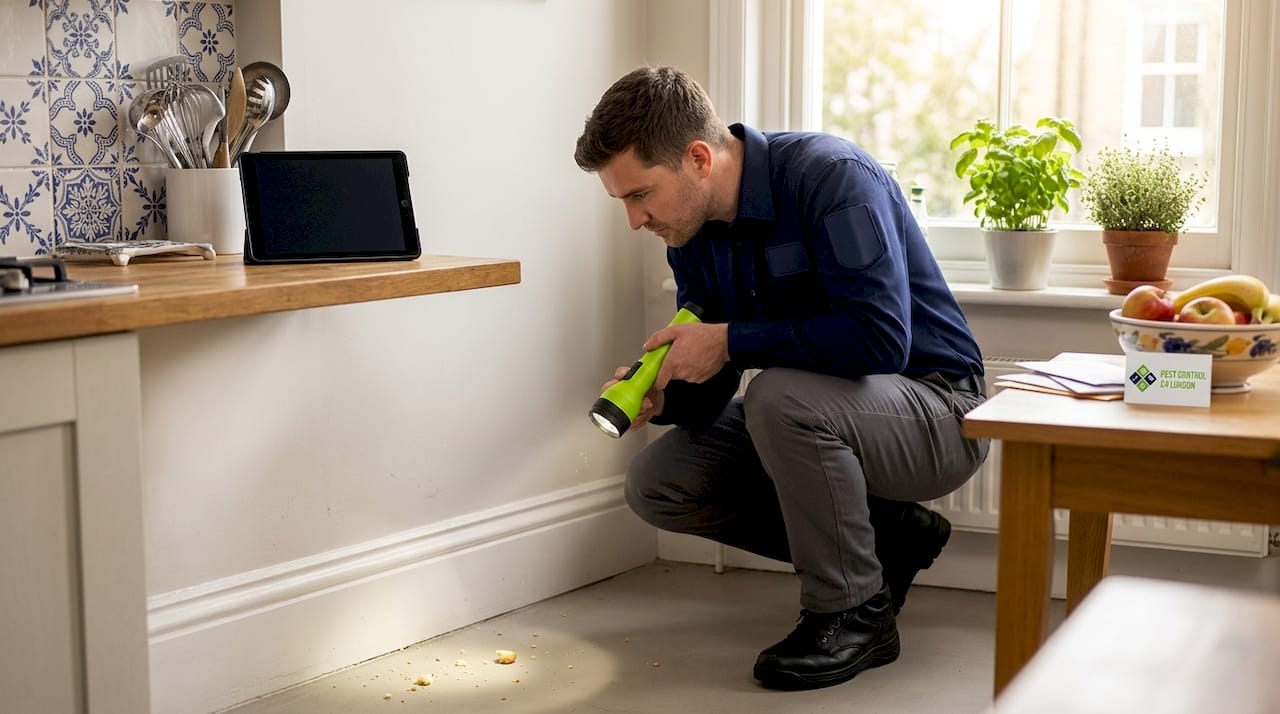
No two properties are identical. A Victorian terrace in South London has very different vulnerabilities to a modern flat in Canary Wharf. Effective prevention starts with a thorough inspection to identify property-specific entry points, moisture issues, and neighbouring risk factors such as proximity to water, restaurants, or communal waste areas.
A professional preventative plan typically follows this sequence:
- Initial inspection. A qualified technician surveys the property, identifying gaps, structural weaknesses, and any early signs of pest activity.
- Risk assessment. The specific pest pressures relevant to your area and property type are evaluated, including seasonal factors.
- Exclusion works. Physical proofing is carried out, addressing the entry points identified during inspection.
- Environmental recommendations. The technician advises on changes to waste management, storage, and moisture control that reduce ongoing risk.
- Monitoring schedule. Follow-up visits are planned at appropriate intervals to catch any new activity early.
Routine professional inspections detect early signs of pest-related and structural issues that most homeowners would not notice until they had worsened considerably. Generic DIY approaches simply cannot replicate that level of assessment.
| Approach | Coverage | Detection speed | Long-term value |
|---|---|---|---|
| Professional custom plan | Property-specific | Early, systematic | High |
| Generic DIY treatment | Surface level | Reactive only | Low to moderate |
| One-off reactive call-out | Active infestation only | After damage visible | Limited |
You can explore the importance of pest prevention in more detail alongside safe, practical guidance for London homeowners.
Common myths about pest prevention
Several misconceptions cause homeowners and property managers to delay preventative action. Recognising them helps you make a more informed decision.
- “I only need pest control when I see something.” By the time a pest is visible, the population behind it is often already substantial. Early intervention relies on monitoring, not observation alone.
- “Prevention means harsh chemicals.” IPM practitioners intervene only when pest activity crosses defined thresholds, prioritising physical and environmental methods first.
- “It’s too expensive for a small property.” The cost of preventative pest control is modest compared to the repair bills that follow an unchecked infestation. Affordable strategies for London homes are well within reach for most budgets.
- “One treatment is enough.” Pest control is not a one-time fix. It requires ongoing attention to remain effective, much like servicing a boiler or maintaining guttering.
My view after years of seeing the difference
In my experience, the homeowners and property managers who call us in genuine crisis almost always share the same starting point. They waited. They assumed things would settle down, or that the odd mouse was just that: a single mouse. It rarely is.
What I have learned from years of working in this industry is that pest prevention is not a luxury service or an optional extra. It sits alongside roof maintenance and annual boiler checks as a non-negotiable part of looking after a property. I have seen reactive treatments cost landlords thousands in repairs that a scheduled inspection programme would have caught at a fraction of the price.
The properties that consistently remain pest-free are not the ones that were lucky. They are the ones where the owners treated prevention as a routine commitment rather than a response to a crisis. That shift in mindset is, in my view, the single most important change any homeowner or property manager can make.
— Dan
Protect your property with Pestcontrol24london

Pestcontrol24london has been delivering professional pest control services across London since 2015, working with homeowners, landlords, hotels, restaurants, and commercial properties. The team is BPCA fully qualified and builds custom preventative pest management plans tailored to your specific property and risk profile. Whether you need domestic pest control for your home or a commercial pest management programme for your business, Pestcontrol24london offers 24/7 availability and free quotes. Do not wait until pests are visible. Get in touch through Pestcontrol24london.co.uk and take the first step towards lasting protection.
FAQ
What is preventative pest control?
Preventative pest control is a proactive approach that identifies and addresses conditions that allow pests to enter or thrive in a property, before an active infestation develops. It typically combines physical exclusion, environmental management, and regular monitoring.
Is preventative pest control worth the cost?
Yes. Every £1 invested in preventative measures such as exclusion and sanitation can save between £5 and £10 in future reactive treatment and repair costs.
How often should a property be inspected for pests?
Most properties benefit from inspections at least twice a year, though high-risk properties such as those near water or commercial food premises may require quarterly visits. A qualified technician will recommend a schedule based on your specific circumstances.
Does preventative pest control use strong chemicals?
Not typically. Preventative pest management prioritises physical exclusion and environmental changes over chemical treatment. Chemical intervention is only applied when monitoring indicates a genuine threshold has been crossed.
Can landlords be held responsible for pest infestations?
Yes. Landlords have a legal duty to provide properties free from health hazards, which includes pest infestations. Documented preventative pest control activity provides both protection and evidence of responsible property management.