

A professional pest control visit is a structured service comprising three core phases: inspection, targeted treatment, and follow-up monitoring. Approximately 20% of households face a pest infestation each year, which means the chances of needing professional help at some point are higher than most people assume. Understanding what to expect from pest control visits removes uncertainty, helps you prepare properly, and makes the treatment far more effective. Pestcontrol24london has been delivering BPCA-qualified pest management across London since 2015, and the process described here reflects how a thorough, professional visit should work.
What happens during a pest control visit?
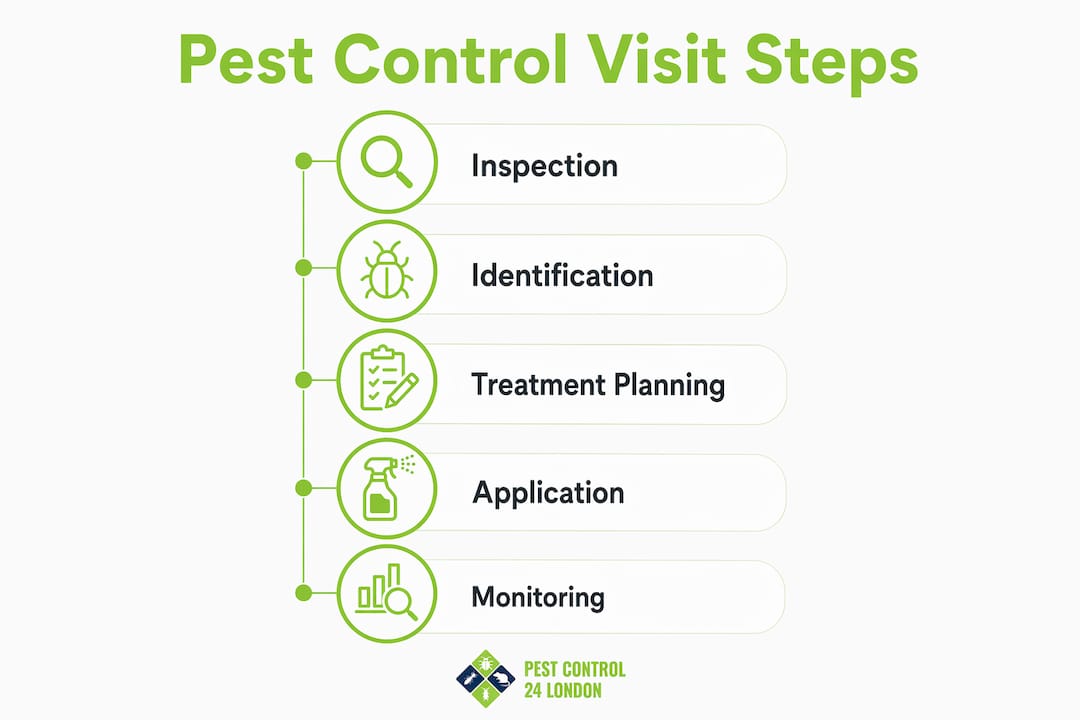
A professional visit follows a five-step process: inspection, identification, treatment planning, application, and monitoring. Each step builds on the last, so skipping any one of them produces weaker results.
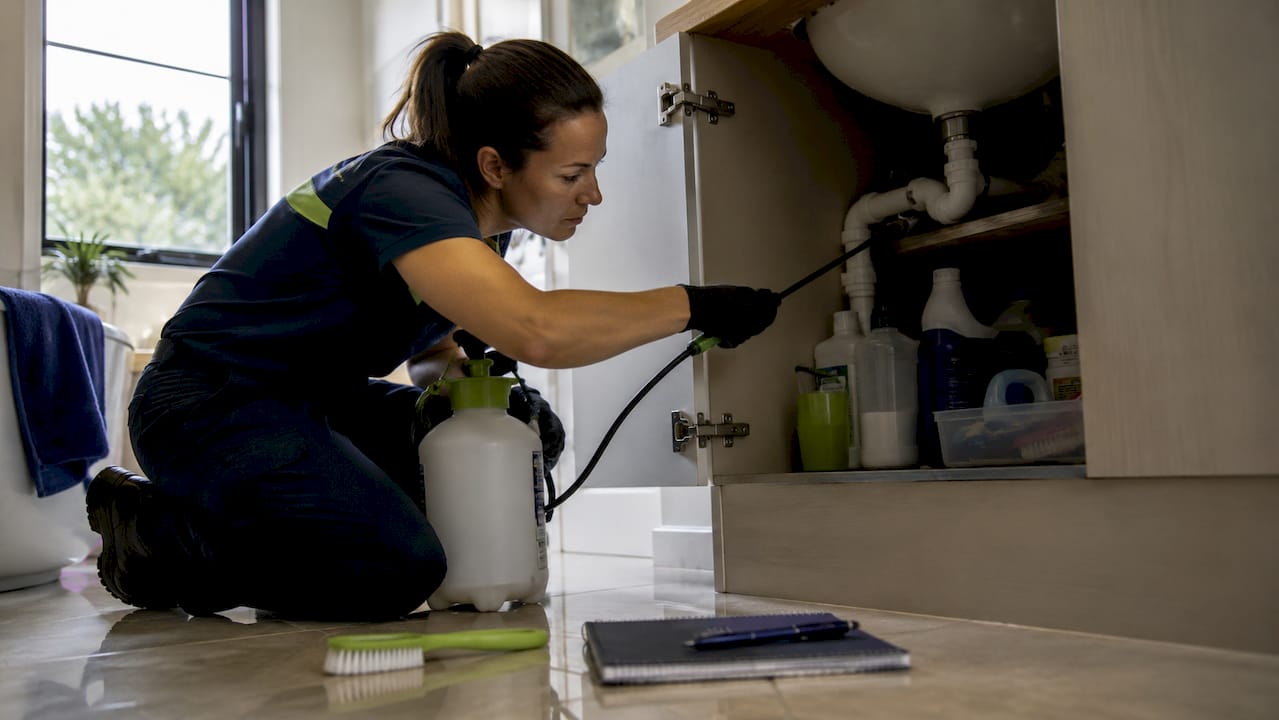
The inspection is the most important phase. The technician examines both the interior and exterior of the property, checking entry points such as gaps around pipes and door frames, harborage areas like wall cavities and loft spaces, and physical evidence including droppings, gnaw marks, grease trails, and larvae. This evidence tells the technician which species is present, how severe the infestation is, and where activity is concentrated.
Identification follows directly from the inspection. Treating the wrong species wastes time and money. A rat infestation requires a very different approach to a cockroach problem, and tailored plans outperform generic spray treatments in both speed and lasting effect.
- Exterior inspection: perimeter walls, roof lines, drainage, and entry points
- Interior inspection: kitchens, loft spaces, wall cavities, and utility areas
- Evidence gathering: photographs, droppings, damage, and pest pathways
- Species identification: confirms the correct treatment protocol
- Treatment plan: a written, property-specific approach based on findings
Pro Tip: Take your own photographs of any pest activity you have noticed before the technician arrives. Photographs of live pests, droppings, or damage help the technician confirm species and plan treatment more precisely.
How to prepare your home before the appointment
Good preparation directly improves treatment outcomes. The steps below take less than an hour but make a measurable difference to what the technician can achieve.
Avoid deep cleaning or DIY sprays in the days before the visit. Cleaning removes droppings and scent trails that technicians use to track pest movement. DIY sprays scatter pests and interfere with bait stations, making it harder to assess the true extent of the infestation.
You also need to share key household details with the technician before treatment begins. The presence of children, pets, or vulnerable individuals affects which products are used and how long you need to stay out of treated areas. Mention any sensitive equipment such as fish tanks or medical devices, as certain chemical formulations require additional precautions around these.
Preparation checklist:
- Clear clutter from areas where pest activity has been spotted
- Move food items and pet bowls away from treatment zones
- Secure pets in a safe room or arrange for them to leave the property
- Inform the technician about children, elderly residents, or anyone with respiratory conditions
- Share any photographs you have taken of pests or damage
- Do not spray insecticide or clean skirting boards in the 48 hours before the visit
What is Integrated Pest Management (IPM)?
Integrated Pest Management, or IPM, is the professional standard for modern pest control. It prioritises inspection, exclusion, sanitation, and habitat modification before reaching for chemical treatments. IPM delivers a success rate above 95% and reduces environmental impact compared to traditional blanket spraying. That combination of effectiveness and safety is why qualified technicians use it as their default approach.
The difference between IPM and traditional pest control is significant in practice.
| Approach | Method | Chemical use | Long-term result |
|---|---|---|---|
| Traditional | Spray on contact | High, repeated | Pests return without root cause fix |
| IPM | Inspect, exclude, then treat | Targeted and minimal | Longer-lasting with fewer retreatments |
Under IPM, the technician first identifies root causes: entry points, moisture sources, food access, and harbourage. Proofing work such as sealing gaps and fitting door brushes removes the conditions that attract pests. Habitat modification, for example fixing a leaking pipe that creates damp conditions for cockroaches, addresses the problem at source rather than just treating the symptom.
Targeted treatments within IPM include bait stations, perimeter barrier sprays, and insect growth regulators. Perimeter barrier sprays remain active for 60–90 days, which is why quarterly maintenance visits align with this treatment cycle. Monitoring stations placed after treatment allow the technician to track pest activity between visits and adjust the plan if needed.
Pro Tip: Ask your technician to explain why they have chosen each product. A qualified professional following IPM standards will always be able to justify their product selection in plain language.
What to expect during and after treatment
Treatment day follows a clear sequence, and knowing what is normal prevents unnecessary concern.
- Re-entry intervals: The technician will confirm how long you need to stay out of treated rooms. This varies by product and ranges from 30 minutes to several hours. Follow these instructions precisely.
- The flushing effect: Visible pest activity often increases for up to 48 hours after treatment. This is normal. It means the treatment is working, not failing.
- Product documentation: Ask for the Safety Data Sheets (SDS) for any products used. Written treatment plans and SDS availability are a mark of a professional, compliant service.
- Post-treatment cleaning: Avoid mopping treated surfaces for at least 48 hours unless the technician advises otherwise. Cleaning too soon removes residual product.
- Follow-up visits: Most infestations require more than one visit. A follow-up confirms whether the treatment has worked and addresses any remaining activity.
The flushing effect deserves particular attention because it alarms many homeowners. Pests become more active post-application as they are disturbed by the treatment. Seeing more cockroaches or mice in the first two days is a positive sign. Activity should decline steadily after that point.
For ongoing prevention, regular pest maintenance between scheduled visits keeps populations suppressed and catches new activity before it becomes a full infestation.
Key takeaways
A professional pest control visit works because it combines thorough inspection, species-specific treatment, and structured follow-up rather than relying on a single application of chemicals.
| Point | Details |
|---|---|
| Inspection drives results | The inspection phase identifies root causes and informs every treatment decision that follows. |
| Preparation matters | Avoiding DIY sprays and sharing household details before the visit improves treatment accuracy and safety. |
| IPM is the professional standard | Integrated Pest Management targets root causes first, reducing chemical use and retreatment frequency. |
| The flushing effect is normal | Increased pest activity in the 48 hours after treatment confirms the product is active, not that it has failed. |
| Follow-up visits are not optional | Most infestations require multiple visits to confirm eradication and prevent reinfestation. |
What I have learned from a decade of pest control visits
After years of working in this industry, the single biggest mistake I see homeowners make is treating a pest control visit like a one-off fix. They book a technician, the treatment goes ahead, and they assume the problem is solved. When pests reappear weeks later, they conclude the service did not work. In most cases, the service worked exactly as intended. The infestation returned because the root cause, a gap behind the kitchen units or a damp void under the floor, was never addressed.
The second mistake is accepting a rushed visit with no written plan. Any technician who arrives, sprays a few surfaces, and leaves within 20 minutes has not conducted a proper inspection. A thorough visit for an average property takes at least 45 minutes before any treatment begins. If you are not shown a written treatment plan and given the opportunity to ask questions, that is a warning sign.
My advice is to treat the visit as a collaboration. Ask questions about what the technician found, which products they are using, and why. Request the Safety Data Sheets. Ask about the follow-up schedule. A professional will welcome these questions. Understanding why qualified pest control matters is the first step to getting lasting results rather than temporary relief.
— Dan
Pestcontrol24london: professional pest management for London homes
Pestcontrol24london has been protecting London properties since 2015, working with residential clients, hotels, restaurants, and commercial premises across the city. Every visit follows BPCA-qualified standards, beginning with a thorough inspection and ending with a written treatment plan and clear follow-up schedule.
Whether you are dealing with rodents, cockroaches, bed bugs, or any other infestation, the team applies IPM methodology to address root causes rather than just surface symptoms. Safety is built into every visit, with full product documentation and re-entry guidance provided as standard. For professional pest control in London with a pest-free guarantee, contact Pestcontrol24london today for a free quote and inspection.
FAQ
What does a pest control technician do during a visit?
A technician conducts a thorough inspection of the interior and exterior, identifies the pest species, and produces a targeted treatment plan. Treatment is then applied using methods appropriate to the species and severity of the infestation.
How long does a pest control visit take?
A standard residential visit typically takes between one and two hours, depending on property size and infestation severity. The inspection phase alone should take at least 30–45 minutes before any treatment begins.
Is it normal to see more pests after treatment?
Yes. Increased pest activity in the 48 hours following treatment is a recognised flushing effect, indicating the product is active. Activity should decline steadily after this period.
What should I do before a pest control appointment?
Avoid using DIY insecticides or deep cleaning treated areas in the 48 hours before the visit. Clear clutter from affected zones, secure pets, and inform the technician about any children, vulnerable residents, or sensitive equipment. Full preparation guidance for London homes is available on the Pestcontrol24london website.
How many visits will I need?
Most infestations require a minimum of two visits: the initial treatment and at least one follow-up to confirm eradication. Ongoing quarterly maintenance is recommended for long-term prevention, particularly in urban properties.