

Pest exclusion is defined as the practice of physically sealing entry points and managing structural vulnerabilities to prevent pests from entering a building. Unlike reactive treatments that address infestations after they occur, exclusion stops the problem at the source. It forms the cornerstone of Integrated Pest Management (IPM), a method that prioritises long-term prevention over repeated chemical applications. For homeowners and property managers in London, understanding pest exclusion means understanding the most cost-effective and health-conscious approach to pest prevention available.
What is pest exclusion and why does it matter?
Pest exclusion is the physical process of denying pests access to a structure by sealing gaps, fitting barriers, and managing the surrounding environment. The industry term used by professionals, including those accredited by the British Pest Control Association (BPCA), is “proofing.” Both terms describe the same principle: make the building structurally inhospitable to pests before they ever get inside.
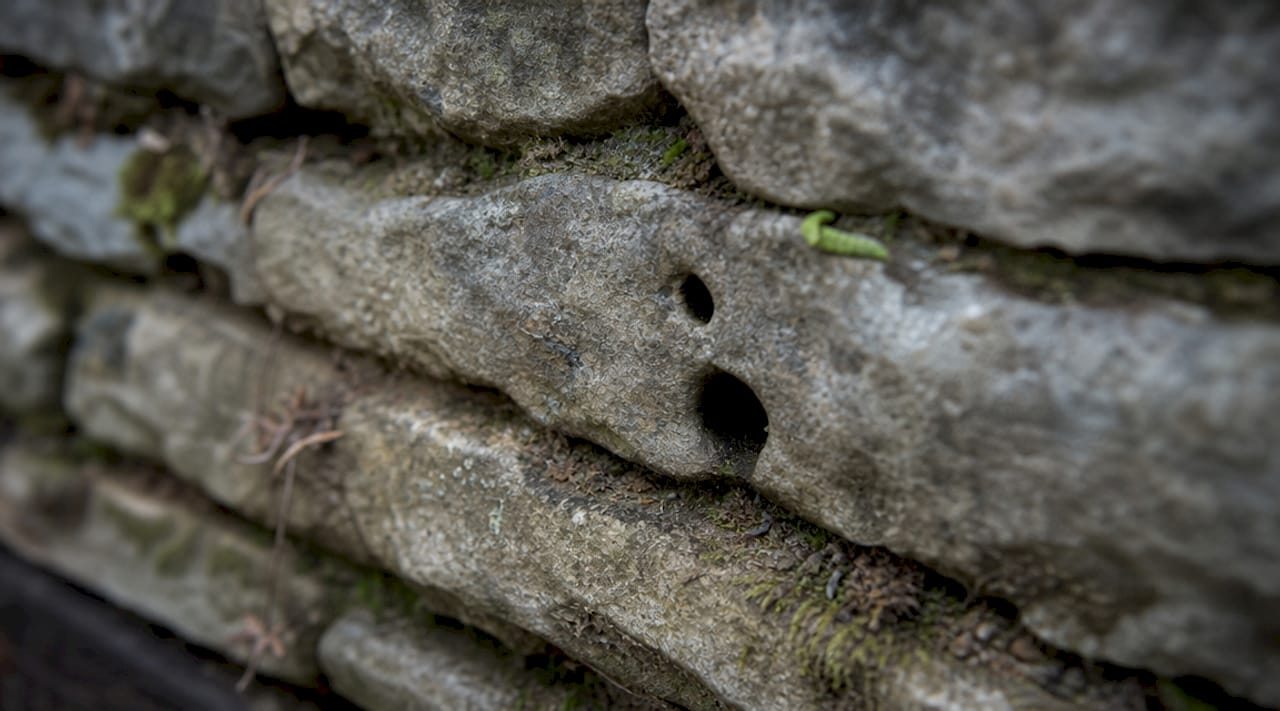
The scale of the problem surprises most people. Mice need just a 1/4-inch gap to enter a property, while rats require only 1/2 inch. That is roughly the diameter of a pencil. This means gaps around pipework, worn door seals, and cracked mortar are not cosmetic issues. They are open invitations.
Exclusion sits within the broader framework of what is pest management, which combines physical, biological, and chemical controls. The importance of pest exclusion within that framework is that it reduces the need for the other two. Fewer pests entering means fewer treatments required, lower costs over time, and less chemical exposure for occupants.
Where do pests commonly enter a property?
Pests exploit structural weaknesses that most property owners overlook during routine maintenance. The most frequently compromised entry points include:
- Doors and windows: Worn or missing door sweeps, damaged seals, and gaps around frames allow insects and rodents to pass through with ease.
- Vents and chimney flues: Uncapped flues and unscreened vents are direct routes for rats, squirrels, and birds.
- Utility penetrations: Gaps around gas pipes, electrical conduits, and water supply lines are among the most commonly missed entry points in both residential and commercial properties.
- Rooflines and eaves: Loose or missing fascia boards and gaps where the roof meets the wall create access for rodents and nesting birds.
- Loading docks and ground-level gaps: In commercial properties, loading areas with poor-fitting doors are a significant vulnerability.
Environmental factors compound the problem. Trimming tree branches away from the building, securing firewood storage, and managing outdoor food waste all reduce the pest pressure on your structure. A building surrounded by dense vegetation and unsecured bins is under constant pressure regardless of how well it is sealed.
Pro Tip: Conduct your inspection at dusk when rodents are most active. Look for grease marks along skirting boards and walls near suspected entry points. These dark smear marks indicate regular rodent pathways and tell you exactly where to focus your sealing efforts.
Which materials and techniques work best for proofing?
The effectiveness of pest exclusion methods depends almost entirely on the quality and durability of the materials used. Temporary fixes degrade quickly and create a false sense of security.
Standard exclusion materials include chimney covers, bird netting, door sweeps, and 1/2-inch hardware cloth for sealing vents and utility penetrations. Each material serves a specific purpose, and choosing the wrong one for a given gap is a common DIY mistake.
| Entry point | Recommended material | Why it works |
|---|---|---|
| Chimney flue | Stainless steel chimney cover | Resists corrosion and gnawing; allows ventilation |
| Roof vents | Pest-rated galvanised mesh | Blocks birds and rodents without restricting airflow |
| Utility gaps | Xcluder Fill Fabric or hardware cloth | Flexible enough to fill irregular gaps; rodent-proof |
| Door bases | Heavy-duty door sweep | Eliminates the gap between door and threshold |
| Wall cracks | Mortar or steel wool packed fill | Denies rodents the purchase needed to gnaw through |
Expanding foam is widely used by homeowners but is not a reliable exclusion material. Rodents gnaw through it within days. Professional evaluations consider ventilation and moisture control when sealing entry points, which prevents secondary structural problems such as mould. This is a step that DIY repairs almost always miss.
Pro Tip: When sealing around utility pipes, use a combination of steel wool packed tightly into the gap, then covered with a mortar or caulk layer. Steel wool alone compresses over time; the outer layer locks it in place permanently.
Why must exclusion start from the outside?
The sequence of pest exclusion work matters as much as the materials used. Exclusion must be performed from the exterior to guide pests outward and prevent trapping them inside the structure. Sealing interior access points first is one of the most common and costly mistakes homeowners make.
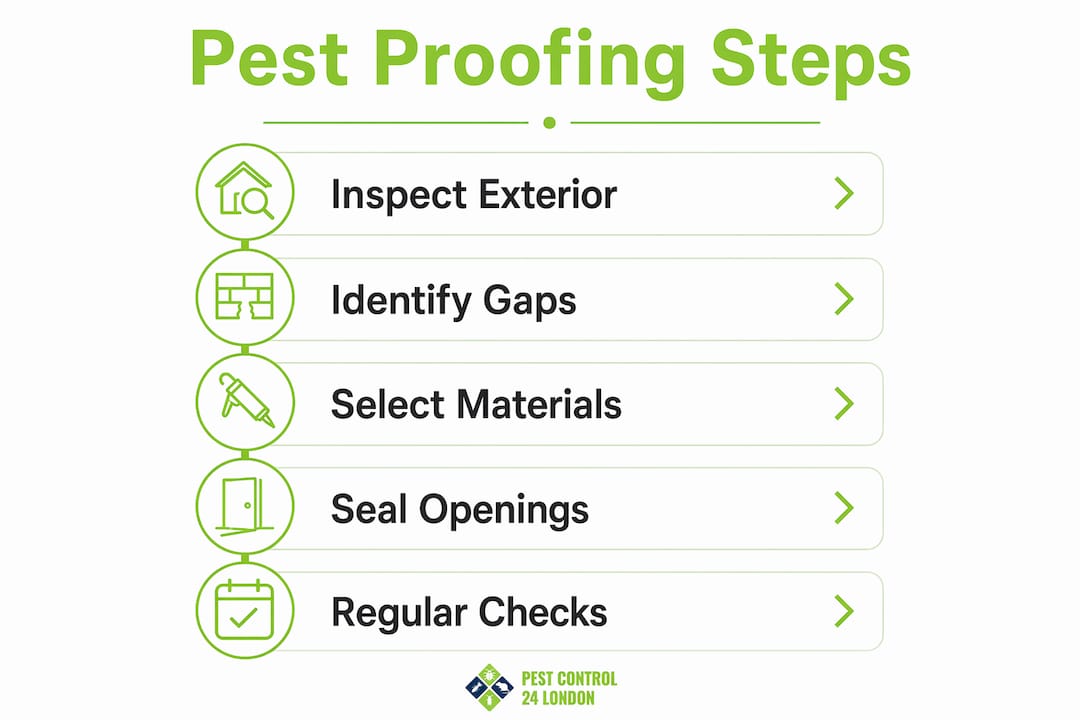
Follow this sequence for safe and effective proofing:
- Inspect all exterior surfaces before any sealing begins. Identify every gap, crack, and potential entry point on the outside of the building.
- Monitor suspected holes for at least two days using newspaper or duct tape placed over the opening. If the material is disturbed, an animal is actively using that route and may still be inside.
- Seal exterior entry points first, working from the roof downward to ensure no pest is trapped inside a wall cavity or roof void.
- Check interior access points last, once you are confident no animals remain inside.
- Schedule follow-up inspections after any significant weather event, building work, or seasonal change.
Regular inspections after weather events or maintenance are critical because settling, frost damage, and repair work frequently create new access points. Pest exclusion is never a one-time fix. It requires the same ongoing attention as any other aspect of property maintenance. Pestcontrol24london treats ongoing pest protection as a continuous service, not a single visit.
Pro Tip: If you seal a hole and later detect a dead animal smell inside the wall, do not ignore it. Contact a professional immediately. A trapped animal causes structural damage as it attempts to escape, and the odour from decomposition can persist for weeks.
How does pest exclusion benefit homeowners financially and physically?
The benefits of pest exclusion extend well beyond simply keeping pests out. The financial case alone is compelling.
- Reduced treatment costs: Exclusion reduces reliance on chemical pesticides by physically blocking access to food, shelter, and breeding sites. Fewer infestations mean fewer call-outs and lower annual pest control expenditure.
- Protection of property value: Rodent gnawing damages electrical wiring, insulation, and structural timbers. Preventing entry eliminates this risk before it becomes a repair bill.
- Health and safety compliance: For commercial properties, rental accommodation, and food businesses, an active infestation carries regulatory consequences. Exclusion reduces that risk significantly.
- Safer living environments: Less reliance on chemical treatments means lower pesticide exposure for occupants, particularly children and pets.
For property managers overseeing multiple units, the preventative pest control approach consistently outperforms reactive remediation in both cost and tenant satisfaction. A single rodent infestation in a managed block can affect multiple units and trigger complaints, inspections, and reputational damage.
Key takeaways
Pest exclusion is the most cost-effective pest control strategy available because it prevents infestations rather than treating them after the fact.
| Point | Details |
|---|---|
| Definition of exclusion | Physically sealing entry points to deny pests access, known professionally as proofing. |
| Critical gap sizes | Mice enter through 1/4-inch gaps; rats through 1/2-inch gaps. Inspect all utility and door areas. |
| Material choice matters | Use hardware cloth, chimney covers, and door sweeps. Avoid expanding foam as a standalone fix. |
| Exterior-first sequencing | Always seal from outside inward and monitor holes before closing them to avoid trapping animals. |
| Ongoing maintenance required | Inspect after weather events and repairs. Exclusion is a continuous process, not a one-off task. |
The reality of pest exclusion in practice
Having worked alongside pest control professionals across London for years, I have seen the same pattern repeat itself. A homeowner notices a mouse, buys expanding foam from a DIY shop, fills a few gaps they can see, and considers the job done. Three weeks later, the problem is worse.
The uncomfortable truth about pest exclusion is that it demands a level of structural knowledge most people do not have. Knowing that a gap exists is not enough. You need to understand whether sealing it will trap an animal inside, whether it serves a ventilation function, and whether the material you choose will last more than a season.
I have also seen property managers treat exclusion as a reactive task, something done after a complaint rather than before one. That approach costs significantly more in the long run. The managers who schedule annual proofing inspections, train their maintenance teams to spot early warning signs, and act on findings promptly are the ones who rarely face serious infestations.
Environmental management is the part most people skip entirely. You can seal a building perfectly and still face persistent pressure if the surrounding area provides food, shelter, and harbourage. Securing bins, cutting back vegetation, and removing clutter from around the building’s perimeter are not optional extras. They are part of the exclusion strategy.
My honest recommendation: get a professional assessment before you start sealing. The cost of that assessment is a fraction of what you will spend correcting a poorly executed DIY job.
— Dan
How Pestcontrol24london can help with pest proofing
Pestcontrol24london has been protecting London properties from pests since 2015, and proofing is one of the most requested services from both homeowners and commercial clients. The team is BPCA fully qualified and carries out thorough exterior inspections before any sealing work begins, using durable materials including rodent-proof door sweeps, galvanised mesh, and stainless steel chimney covers.

Whether you manage a residential block, a restaurant, or a single family home, Pestcontrol24london provides tailored exclusion plans backed by ongoing monitoring. For commercial pest control in London or domestic pest control for your home, the team offers free quotes and 24/7 availability. Contact Pestcontrol24london today to arrange an inspection and put a permanent proofing plan in place.
FAQ
What is pest exclusion in simple terms?
Pest exclusion is the process of physically sealing gaps, cracks, and openings in a building to stop pests from entering. It is also known as proofing and forms the foundation of Integrated Pest Management.
How small a gap can a mouse get through?
Mice can enter through a gap as small as 1/4 inch, roughly the width of a pencil. Rats require only 1/2 inch, so even minor structural gaps around pipes and doors must be sealed.
Can I do pest exclusion myself?
Basic proofing such as fitting door sweeps or filling small cracks is manageable for homeowners, but DIY exclusion failures often stem from neglecting ventilation and moisture management. A professional assessment prevents these common and costly errors.
How often should exclusion work be inspected?
Exclusion requires regular review. Inspections after weather events or building work are critical because settling and damage frequently open new access points. An annual professional inspection is the minimum recommended for most properties.
What is the difference between pest exclusion and pest control?
Pest control is the broader category covering detection, treatment, and prevention. Pest exclusion is a specific prevention technique within that category, focused entirely on physical barriers rather than chemical or biological interventions.