

Rodenticides are pesticides formulated to kill rodents such as rats and mice, typically delivered as bait mixed with food-like attractants including peanut butter or molasses. They fall into two broad chemical families: anticoagulants and non-anticoagulants. Both categories carry real risks to pets, wildlife, and children if used carelessly. Understanding what rodenticides are, how they work, and where the dangers lie is the foundation of any safe and effective rodent control plan for your home.

What are the main types of rodenticides?
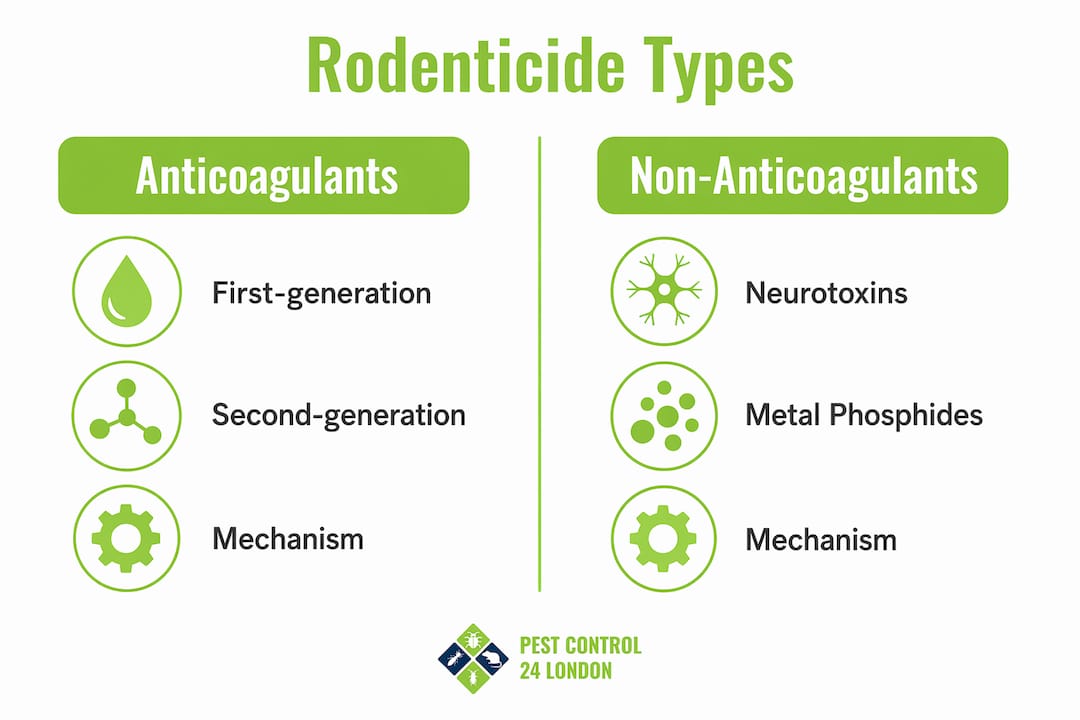
Rodenticides divide into anticoagulant and non-anticoagulant classes, each with distinct chemistry, potency, and risk profiles. Knowing the difference matters before you place a single bait station.
Anticoagulant rodenticides are the most widely used category in residential settings. They work by blocking the vitamin-K cycle, which prevents the blood from clotting and causes fatal internal haemorrhage. The two sub-types differ significantly in how quickly and how lethally they act:
- First-generation anticoagulants (warfarin, chlorophacinone) require multiple feedings over several days to deliver a lethal dose. They are less potent and less persistent in tissue.
- Second-generation anticoagulants (brodifacoum, bromadiolone) are far more potent. A single feed can be lethal, and the chemical persists in body tissue for weeks, which creates a serious secondary poisoning risk for predators.
Non-anticoagulant rodenticides include neurotoxins such as bromethalin, which attacks the central nervous system and causes death faster than anticoagulants. Zinc phosphide is another non-anticoagulant used in professional settings; it releases toxic phosphine gas when ingested.
| Type | Examples | Kill mechanism | Timeline |
|---|---|---|---|
| First-generation anticoagulant | Warfarin, chlorophacinone | Blocks blood clotting | Several days, multiple feeds |
| Second-generation anticoagulant | Brodifacoum, bromadiolone | Blocks blood clotting | 1 to 3 days, single feed possible |
| Non-anticoagulant neurotoxin | Bromethalin | Disrupts nervous system | 1 to 4 days |
Pro Tip: If you have cats or dogs, avoid second-generation anticoagulants entirely. Their persistence in rodent tissue means a pet that catches a poisoned rat can itself be fatally poisoned.
How do rodenticides work in practice?
Anticoagulants block vitamin-K-dependent clotting factors, causing internal bleeding that typically kills a rodent several days after ingestion. This delayed action is deliberate. Rodents that die quickly near a bait station cause other rodents to avoid the area, a behaviour known as bait shyness. The delay keeps the bait appearing safe and encourages continued feeding.
Bait formulations come in pellets, blocks, pastes, and grain-based loose baits. Manufacturers add attractants to encourage rodents to feed consistently. For first-generation anticoagulants, consistent feeding over three to five days is required for a lethal dose to accumulate. Second-generation products can kill after a single feed, which is why they carry a higher risk of accidental poisoning.
Bait stations are the standard delivery method. They protect the bait from moisture, reduce access by children and pets, and direct rodents to feed in a controlled location. Proper bait station placement along walls, behind appliances, and near confirmed rodent runs is more important than product choice alone.
- Place bait stations flush against walls where rodents travel, not in open spaces.
- Check stations every two to three days and replenish bait that has been consumed.
- Remove dead rodents promptly using gloves to reduce odour and secondary poisoning risk.
- Keep a record of how much bait is consumed to gauge infestation size.
Pro Tip: If bait is untouched after five days, move the station. Rodents follow fixed routes and will ignore bait placed outside their established pathways.
What safety risks do rodenticides pose at home?
Rodenticide baits pose poisoning risks to people, pets, and wildlife because rodent physiology is similar enough to that of other mammals for the chemicals to cause harm across species. Three levels of exposure are relevant for homeowners.
Primary poisoning occurs when a child, pet, or non-target animal eats the bait directly. Secondary poisoning occurs when a cat, dog, fox, or bird of prey eats a poisoned rodent. Tertiary poisoning is rarer but documented: a predator that has accumulated rodenticide in its tissue is then eaten by another animal. Second-generation anticoagulants bioaccumulate in tissue and persist far longer than first-generation products, making the secondary and tertiary risk substantially higher.
Veterinarians report that pet exposure to rodenticides is a serious and growing concern, and even bait boxes marketed as tamper-resistant have been breached by determined dogs. If you suspect your pet has ingested rodenticide, contact a vet immediately. Symptoms of anticoagulant poisoning include lethargy, pale gums, and unexplained bruising, but these may not appear for 48 to 72 hours after ingestion.
Safe use practices for homeowners include:
- Always read and follow the product label. Legal compliance is not optional.
- Use only tamper-resistant, lockable bait stations in households with children or pets.
- Store unused rodenticide in its original, sealed container, away from food and out of reach of children.
- Dispose of unused bait and dead rodents according to local council guidelines.
- Never place loose bait in open areas, under sinks, or in accessible kitchen cupboards.
Rodent populations can also develop resistance to some anticoagulant products, particularly warfarin, which is one reason second-generation products were developed. Resistance is another argument for combining chemical control with non-chemical methods rather than relying on a single product indefinitely.
What other rodent control methods should you use alongside rodenticides?
Rodenticides are most effective as part of an integrated pest management approach that combines chemical, mechanical, and preventive measures. Using rodenticide alone without addressing why rodents entered your property will result in repeated infestations.
Exclusion is the single most effective long-term measure. Sealing gaps around pipes, cables, and vents with wire wool and mortar removes the entry points rodents use. A mouse can squeeze through a gap the width of a pencil, so thorough proofing requires a detailed inspection. You can find a practical starting point in this mice prevention checklist for homeowners.
Sanitation removes the food and shelter that attract rodents in the first place. Secure bin lids, store dry food in sealed containers, and clear clutter from lofts and basements. Mechanical traps, including snap traps and electronic traps, kill rodents without the secondary poisoning risk and allow you to confirm kills immediately.
| Method | Effectiveness | Secondary poisoning risk | Best use |
|---|---|---|---|
| Rodenticides | High for active infestations | Moderate to high | Established infestations |
| Snap traps | Moderate | None | Low to moderate activity |
| Exclusion and proofing | High long-term | None | Prevention and follow-up |
| Sanitation | Moderate | None | Ongoing maintenance |
When an infestation is severe, or when rodenticides need to be placed in complex or sensitive areas, professional pest control delivers safer and more reliable results than DIY methods alone.
Key takeaways
Rodenticides are effective chemical tools for killing rodents, but their risks to pets, wildlife, and children make correct placement, bait station use, and integrated pest management non-negotiable for safe residential use.
| Point | Details |
|---|---|
| Two main chemical classes | Anticoagulants and non-anticoagulants differ in potency, speed, and secondary poisoning risk. |
| Delayed action is intentional | Anticoagulants kill days after ingestion to prevent bait shyness and encourage continued feeding. |
| Placement beats product choice | Correct bait station positioning along rodent runs matters more than which product you select. |
| Secondary poisoning is real | Second-generation anticoagulants persist in rodent tissue and can kill pets or wildlife that eat poisoned rodents. |
| Combine methods for lasting results | Exclusion, sanitation, and traps alongside rodenticides prevent re-infestation more reliably than chemicals alone. |
What I have learned from years of rodenticide use in London homes
After more than a decade working in residential pest control across London, the pattern I see most often is homeowners who reach for rodenticide first and ask questions later. They buy a box of brodifacoum pellets, scatter them under the kitchen units, and assume the job is done. Two weeks later, there is a dead rat inside the wall cavity, an unbearable smell, and the infestation has not resolved because the entry point was never sealed.
The delayed lethality of anticoagulants catches people out every time. A rodent that feeds on a bait station on Monday may not die until Thursday, and it will almost certainly die somewhere inaccessible. That is not a product failure. It is how the chemistry works. The problem is that most homeowners interpret a lack of visible dead rodents as a sign the bait is not working, then add more product, which compounds the secondary poisoning risk without improving the outcome.
My honest view is that second-generation anticoagulants have no place in a standard residential setting unless a professional is managing the programme. The risk to urban foxes, owls, and domestic cats is too high for a product that a homeowner may not be equipped to use safely. First-generation products, snap traps, and thorough rodent proofing will resolve most household infestations without the wider ecological cost.
— Dan
Get professional rodent control from Pestcontrol24london
Rodenticides require careful handling, correct placement, and a clear plan for what comes after the bait is set. Pestcontrol24london has been managing residential rodent infestations across London since 2015, and the team is BPCA fully qualified to handle all aspects of safe rodenticide application and integrated pest management.

Whether you are dealing with rats in the kitchen, mice in the loft, or an infestation you cannot locate, Pestcontrol24london provides a thorough inspection, targeted treatment, and proofing advice to stop the problem returning. Visit the domestic pest control service page or contact Pestcontrol24london directly for a free quote and same-day availability across London.
FAQ
What are rodenticides used for?
Rodenticides are chemical agents used to kill or control rodents such as rats and mice, typically delivered as bait formulations in residential, commercial, and agricultural settings.
Are rodenticides harmful to pets?
Yes. Both direct ingestion of bait and secondary poisoning through eating a poisoned rodent can be fatal to cats and dogs. Contact a vet immediately if you suspect exposure.
What is the difference between first and second-generation rodenticides?
First-generation anticoagulants such as warfarin require multiple feedings to kill, while second-generation products such as brodifacoum can be lethal after a single feed and persist longer in body tissue.
How long do rodenticides take to work?
Anticoagulant rodenticides typically cause death three to seven days after ingestion. Non-anticoagulant neurotoxins such as bromethalin act faster, usually within one to four days.
Do I need a professional to use rodenticides?
For standard household infestations, some products are available to the public, but professional application is recommended for severe infestations, sensitive environments, or when second-generation anticoagulants are required.