

Most homeowners think of pests as a minor inconvenience. A mouse in the kitchen, a cockroach behind the fridge. The reality is considerably more serious. The role of pest control in homes extends far beyond eliminating visible nuisances. Pests degrade indoor air quality, spread bacteria, damage wiring, and trigger allergic reactions, often without homeowners realising the source of the problem. This article walks you through the health risks pests create, how modern pest management works, and the practical steps you can take to protect your home and the people in it.
Table of Contents
- Key takeaways
- The role of pest control in homes: why it matters more than you think
- Integrated pest management: a smarter approach for homeowners
- Practical prevention strategies every homeowner should use
- The benefits of professional pest control services
- My perspective: why homeowner education changes everything
- How Pestcontrol24london can help protect your home
- FAQ
Key takeaways
| Point | Details |
|---|---|
| Pests threaten health, not just property | Cockroaches and rodents spread allergens, bacteria, and airborne toxins that affect respiratory health. |
| IPM offers a sustainable solution | Integrated Pest Management prioritises prevention and monitoring over repeated pesticide use. |
| Exclusion is the most effective barrier | Sealing entry points stops infestations before they start and reduces recurrence significantly. |
| Moisture control deters key pests | Fixing leaks and reducing humidity removes conditions that cockroaches and rodents depend on. |
| Professional treatment delivers full results | Only complete infestation removal restores indoor air quality and prevents health risks from returning. |
The role of pest control in homes: why it matters more than you think
Pests do not simply share your space. They actively compromise it. Cockroaches, rodents, and other common household pests introduce bacteria, shed skin fragments, and leave droppings that contaminate surfaces and the air you breathe. Cockroach infestations release allergens and bacterial toxins that significantly degrade indoor air quality, with links to asthma and persistent allergic reactions. Many families assume their respiratory symptoms are seasonal, when the actual cause is living beneath the same roof as an active infestation.
The structural risks are equally concerning. Rodents gnaw through electrical cables, insulation, and wooden beams. A mouse chewing through wiring inside a wall cavity creates a genuine fire risk, not just a repair bill. The importance of pest management becomes clear when you consider these compounding threats together.
Here is where infestations tend to concentrate and what they bring with them:
- 81.4% of cockroach activity occurs near kitchens and bathrooms, where food, moisture, and warmth intersect
- Rodents can enter through gaps as small as a quarter-inch, meaning standard proofing is often insufficient
- 38.9% of homeowners unknowingly introduce cockroaches via grocery bags or secondhand items
- The impact of pests on health includes airborne allergens that persist even after visible pest activity ends
The last point is what catches most homeowners off guard. Eliminating the pests you can see does not automatically clear the allergens and toxins they leave behind. That is why professional intervention matters at a level beyond the surface.
Integrated pest management: a smarter approach for homeowners
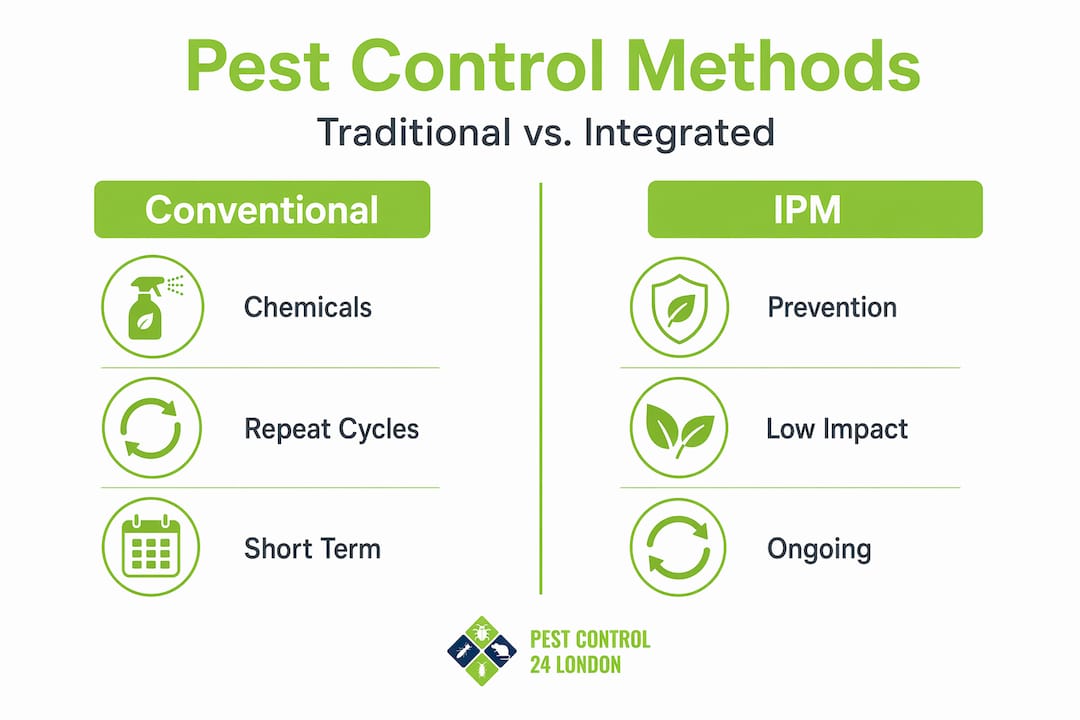
The standard response to a pest problem used to be straightforward. Spray, kill, repeat. That cycle rarely solves the underlying issue and often increases chemical exposure unnecessarily. Integrated Pest Management (IPM) reduces pesticide use while improving both pest control effectiveness and health outcomes, which is why it has become the preferred approach for responsible pest professionals and informed homeowners alike.
IPM works by addressing the root conditions that attract and sustain pests, rather than simply reacting to their presence. Understanding pest biology and behaviour is central to selecting the right control method at the right time. A cockroach treatment applied in the wrong location, or at the wrong life cycle stage, achieves very little.
The table below shows how IPM compares to conventional pest control methods:
| Feature | Conventional pest control | Integrated Pest Management |
|---|---|---|
| Primary method | Chemical spraying | Monitoring, prevention, targeted treatment |
| Pesticide use | Routine and broad | Last resort, highly targeted |
| Health impact | Higher chemical exposure risk | Reduced exposure for occupants |
| Long-term effectiveness | Often requires repeat treatments | Addresses root causes for lasting results |
| Environmental consideration | Minimal | Central to the approach |
Non-chemical methods within IPM include sanitation improvements, physical exclusion, and trapping. Chemical pesticides are used only when monitoring confirms they are genuinely needed, and then only in targeted applications that minimise exposure to people and non-target animals.
Pro Tip: If you are exploring lower-impact options, eco-friendly pest control methods such as physical barriers and biological deterrents can work effectively alongside professional IPM programmes for milder infestations.
Effective pest control also requires ongoing monitoring and record-keeping to adapt strategies over time. A one-off treatment without follow-up leaves your home vulnerable to reinfestation within weeks.
Practical prevention strategies every homeowner should use
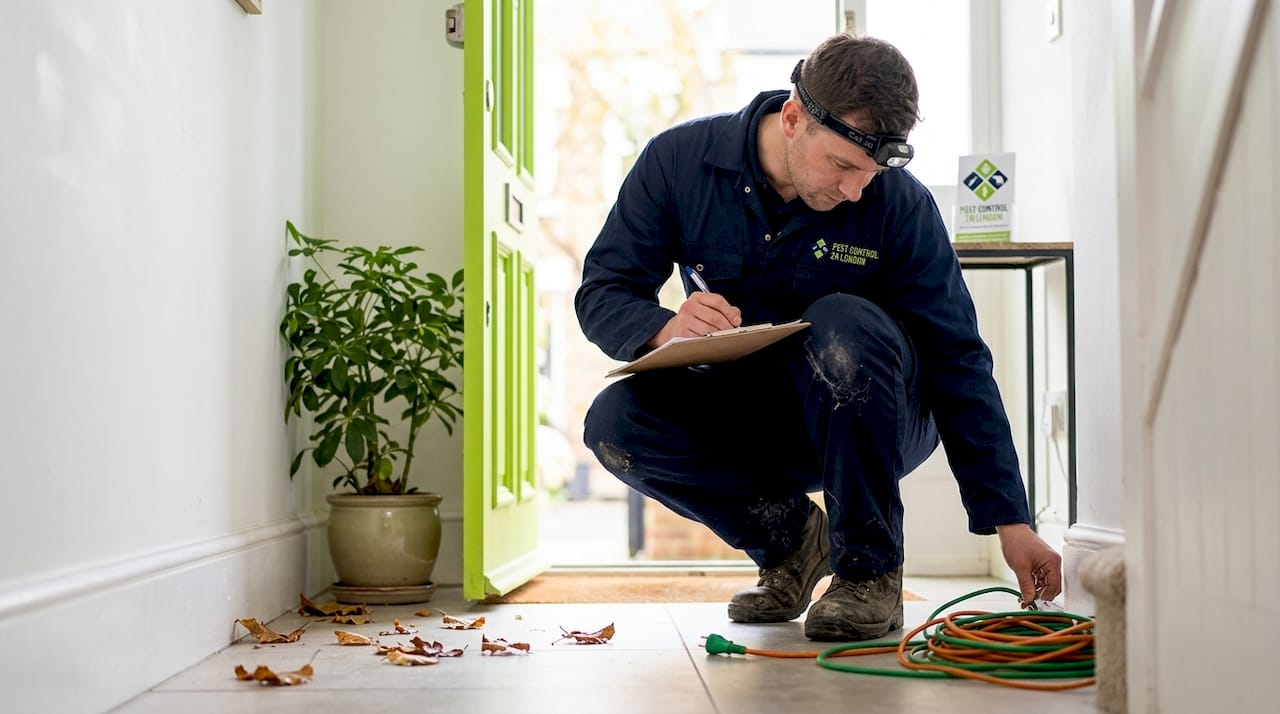
Prevention is where homeowners can make the greatest difference between visits from a professional. The following steps address the most common entry points and conditions that attract pests into residential properties.
Seal structural entry points. Cockroaches can squeeze through gaps as small as 1.6mm. Check around pipes, skirting boards, door frames, and utility entry points. Use wire mesh and sealant to close any gaps you find.
Remove food and water sources. Store food in sealed containers, wipe down surfaces after cooking, and keep waste bins tightly covered. These simple habits significantly reduce the conditions that sustain infestations.
Control moisture throughout your home. Cockroaches survive only about one week without water, making moisture control one of the most effective deterrents available. Fix dripping taps, address leaks under sinks promptly, and use a dehumidifier in damp rooms.
Use traps strategically. Trapping is a targeted control method that allows you to confirm pest presence and reduce populations without broad pesticide use. Placement near known runways and regular checking are both necessary for traps to be effective.
Know when to call a professional. If you find droppings in multiple locations, hear activity inside walls, or notice repeated sightings despite your own efforts, the infestation has likely progressed beyond DIY control. Review the essential steps to prepare for treatment so you are ready when a professional visits.
Pro Tip: Early intervention is far less disruptive and less costly than addressing an established infestation. If you spot a single cockroach during daylight hours, that alone is a reliable sign of a larger hidden population.
Research confirms that combining approaches yields the best outcomes. Structural exclusion reduces cockroach recurrence by 64.8%, sanitation reduces return rates by 72.3%, and targeted baiting lowers populations by 85.6% within two weeks.
The benefits of professional pest control services
DIY measures are a useful first line of defence, but professional pest control delivers outcomes that homeowners cannot replicate independently. Here is what professional treatment brings to the table:
- Complete infestation removal. Meaningful air quality improvements only occur after full elimination of an infestation. Partial treatments leave allergen sources active.
- Specialist tools and knowledge. Professionals use equipment and formulations that are not available to consumers, applied with precision based on the specific pest species and infestation scale.
- Faster results. Combining professional treatment with exclusion and sanitation decreases infestations by 79.5% over six months, a rate far beyond what homeowner-only efforts typically achieve.
- Ongoing protection. Regular inspections allow professionals to catch early-stage activity before it develops into a serious problem.
The pest control benefits of professional intervention are clear when you weigh the cost against the alternative. For severe cockroach infestations, professional treatment typically costs around £600, depending on severity and species. The cost of structural repairs caused by unchecked rodent gnawing, or the long-term health implications of living with allergen-generating pests, quickly exceeds that figure. You can learn more about what professional domestic pest control in London involves and what to expect from a qualified provider.
My perspective: why homeowner education changes everything
I have worked with hundreds of homeowners dealing with persistent infestations, and the pattern is almost always the same. People react when pests become visible and assume the problem is solved when they disappear. What I have learned over the years is that the real work happens in the months before you ever see a cockroach or find a rodent dropping.
In my experience, the homeowners who maintain the best outcomes are not necessarily the ones who call a professional most often. They are the ones who understand how pests enter their homes, what conditions sustain them, and how to make their property genuinely inhospitable. That knowledge, combined with professional support at the right moments, is what separates a one-off infestation from a recurring problem.
My honest view is that conventional, spray-heavy approaches have given pest control a reputation for being a blunt instrument. The shift towards IPM is long overdue. It treats pest control as a system, not a single event. For homeowners, that means fewer chemical exposures, less disruption, and results that actually hold.
— Dan
How Pestcontrol24london can help protect your home
If any part of this article has raised concerns about your own home, Pestcontrol24london is ready to help. As a BPCA-qualified team operating across London since 2015, we bring more than a decade of hands-on experience to residential pest problems of every scale. Our approach is grounded in integrated pest management, meaning we target root causes, not just symptoms, and we use treatments that are safe for your household.
We offer 24/7 emergency and routine pest control services with free quotes, no-obligation assessments, and tailored prevention plans designed specifically for London homes. Whether you are dealing with an active infestation or want to put a proper prevention programme in place, our team is here to give you straightforward, professional advice. Get in touch today and let us help you take back your home.
FAQ
What is the role of pest control in homes?
Pest control protects the health, safety, and structural integrity of your home by eliminating pests that spread disease, trigger allergic reactions, and cause physical damage. It also prevents conditions that allow infestations to take hold in the first place.
How do pests affect indoor air quality?
Cockroaches release allergens and bacterial toxins that degrade indoor air quality and are linked to asthma and respiratory issues. Meaningful improvement only occurs once the infestation is fully removed by professional treatment.
What is Integrated Pest Management and why does it matter?
Integrated Pest Management is an approach that combines monitoring, prevention, and minimal pesticide use to control pests effectively while protecting human health and the environment. It is widely regarded as a more sustainable and effective alternative to conventional spray treatments.
How can I tell if I have a hidden pest infestation?
Signs include droppings near food storage or pipework, grease marks along skirting boards, unusual sounds inside walls at night, and visible pest activity during daylight hours. Any of these warrants a professional inspection rather than a wait-and-see approach.
When should I call a professional pest controller?
Call a professional if DIY methods have not resolved the problem within a week or two, if you find evidence of activity in multiple rooms, or if you suspect rodents are present anywhere inside the structure of your home. Early professional intervention is always less disruptive and less costly than addressing an advanced infestation.