

Pest pressure is rising sharply in 2026. A survey of 375 pest management professionals found a 40% increase in problems caused by invasive species, and warmer springs are pushing pest seasons earlier than most homeowners expect. If you manage a property in London or own a home, reactive pest control is no longer sufficient. The pest management tips for 2026 in this article give you a practical, year-round framework covering entry points, environmental triggers, targeted pest strategies, and when to call in professionals. Every tip here is grounded in current field experience and up-to-date expert guidance.
Table of Contents
- Key takeaways
- 1. Pest management tips for 2026: start with the three core attractants
- 2. Sealing entry points that most homeowners overlook
- 3. Managing moisture and your outdoor environment
- 4. Targeted strategies for the key pests of 2026
- 5. When and how to use professional pest control services
- My honest take on pest management in 2026
- Professional pest control in London: get expert support today
- FAQ
Key takeaways
| Point | Details |
|---|---|
| Control the three attractants | Removing food, water, and shelter sources is the single most effective pest prevention measure. |
| Seal entry points thoroughly | Standard rubber door sweeps and basic gap-fillers leave your property vulnerable. Use silicone, brush, and steel mesh. |
| Manage your outdoor environment | Standing water, leaf litter, and mulch near the foundation are common pest harborage areas that are easy to eliminate. |
| Know your 2026 pest threats | Invasive ants, ticks, mosquitoes, and stink bugs require specific, targeted control approaches this year. |
| Act before pests appear | Proactive inspections and early professional intervention reduce infestations far more effectively than reactive treatments. |
1. Pest management tips for 2026: start with the three core attractants
Every pest infestation revolves around three things: food, water, and shelter. Even minor lapses in household cleanliness can attract ants and cockroaches within days. Understanding and controlling these three attractants is the foundation of every effective pest prevention checklist.
Here is what to address:
- Food sources: Store all dry goods in sealed, hard-sided containers. Clean up crumbs, grease, and food residue from counters, cupboards, and under appliances regularly.
- Water sources: Fix dripping taps, leaking pipes under sinks, and poor drainage around the property. Even a bottle cap of standing water is enough for mosquito larvae to develop.
- Shelter sources: Declutter storage areas such as lofts, basements, and garages. Cardboard boxes, old newspapers, and undisturbed corners all provide ideal nesting conditions for rodents and insects.
Pro Tip: Check the area beneath your kitchen sink and behind your washing machine monthly. These are the two spots most homeowners miss, and they combine warmth, moisture, and darkness in exactly the way pests prefer.
2. Sealing entry points that most homeowners overlook
Pests do not need an open door. Gaps around utility pipes, hairline cracks in the foundation, and poorly fitted window frames are all common access routes. A simple test: stand inside a darkened room during the day and look for visible light around window and door frames. Any light or draught you can detect is a gap a pest can exploit.
| Entry point | Recommended sealing method |
|---|---|
| Door bottoms | Heavy-duty silicone or brush sweeps with adjustable metal thresholds |
| Foundation gaps | Copper mesh or steel wool packed in first, then expandable foam plugs over the top |
| Utility pipe penetrations | Fire-rated silicone sealant or purpose-made pipe collars |
| Window frames | Flexible silicone caulk reapplied annually |
One method worth highlighting: using copper mesh with expandable foam in foundation gaps is significantly more effective than foam alone, because rodents can chew through foam but cannot gnaw through copper mesh.
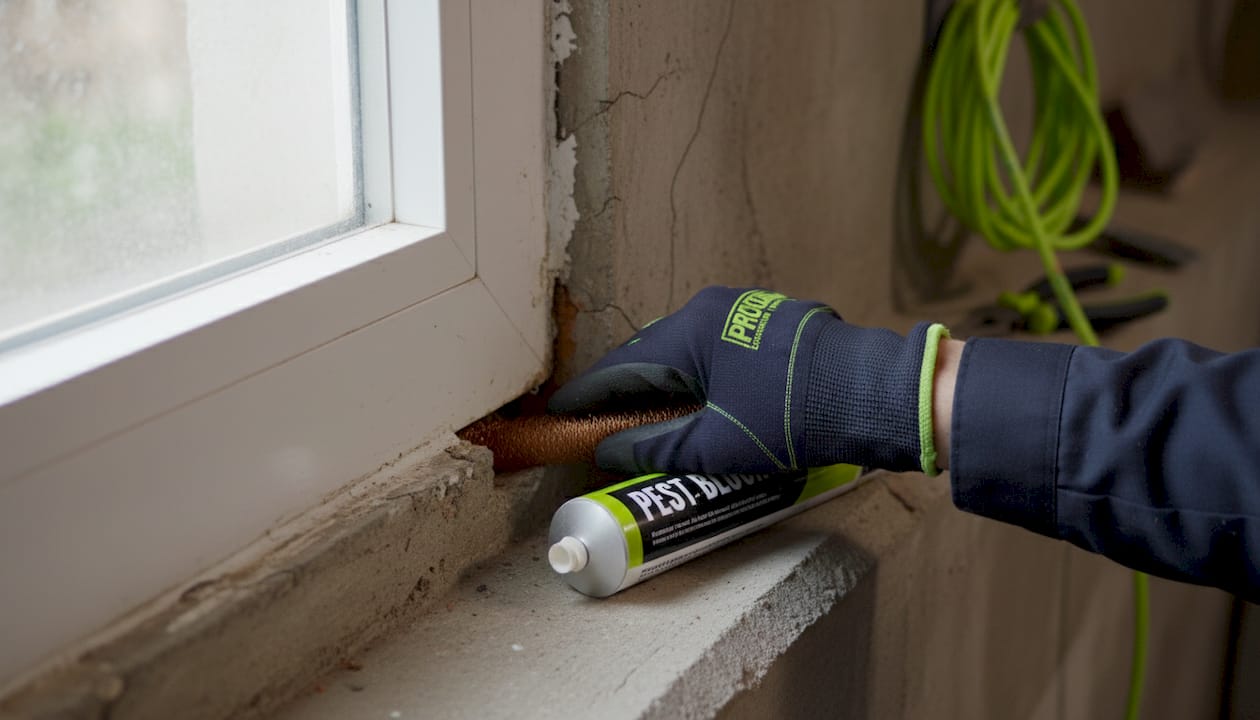
Pro Tip: Inspect all delivery boxes and grocery bags before bringing them indoors. Cockroaches and other pests routinely hitchhike inside packaging, particularly from warehouses and food suppliers.
3. Managing moisture and your outdoor environment
Your garden and the immediate surroundings of your property are just as important as what happens indoors. Fixing leaky pipes and eliminating standing water containers removes one of the primary breeding environments for mosquitoes and other moisture-dependent pests.
Beyond water management, your landscaping choices matter considerably:
- Keep grass cut short and remove leaf litter promptly, particularly in autumn and early spring. Pruning branches and removing debris eliminates harborage zones that mice, rats, and insects exploit.
- Avoid placing mulch directly against your property’s foundations. A gap of at least 30 centimetres between mulch beds and the building reduces the risk of moisture accumulation and insect colonisation.
- Clear gutters of blockages regularly. Blocked gutters create standing water at roof level, which is attractive to birds, insects, and rodents nesting in the eaves.
- Consider encouraging natural predators. Installing bird boxes, bat boxes, or a small pond with frogs supports local biodiversity and provides organic insect control in your garden.
These adjustments form part of a good seasonal pest management approach and are most effective when carried out before the warm months begin.
4. Targeted strategies for the key pests of 2026
This year brings specific threats that require targeted responses. Knowing which pests are proliferating and how to address each one directly is what separates good pest prevention tips for 2026 from generic advice.
- Ants: Ants affect approximately 50% of households annually, becoming most active when temperatures rise. Invasive species such as Asian needle ants are now present in more areas of the UK. Seal food sources, remove standing water, and trim vegetation touching the building.
- Ticks: Activity is elevated this year due to milder winters. The CDC recommends treating clothing and outdoor gear with 0.5% permethrin as a preventative measure, particularly for those with gardens or access to green spaces.
- Mosquitoes: Remove all standing water weekly, including water butts, plant pot saucers, and blocked drains. Larvae hatch and develop within five to seven days in warm conditions.
- Stink bugs and Asian lady beetles: These species are increasingly present in London properties. They enter through gaps around window frames in autumn seeking warmth. Sealing those entry points in late summer is the most effective preventative step.
- Invasive ants: Invasive ants cause severe ecological and structural harm beyond nuisance stinging. If you observe unusually large colonies or unfamiliar ant species, contact a professional rather than relying on shop-bought bait alone.
For natural alternatives, eco-friendly prevention methods such as diatomaceous earth, essential oil barriers, and biological controls can supplement the above strategies without chemical exposure.
5. When and how to use professional pest control services
The most consistent finding in 2026 pest research is that proactive inspections before pests appear are significantly more effective and more cost-efficient than reactive treatments once an infestation is established. Waiting until you see signs of activity means the population is already well-established.
| Situation | Recommended professional service |
|---|---|
| No current infestation | Annual or bi-annual pest control survey for early detection |
| Known vulnerability (e.g., food business, older building) | Ongoing contract with scheduled inspections and treatments |
| Active infestation | Immediate treatment followed by a proofing assessment |
| Renovation or construction work | Inspections during renovations to enforce pest-proofing contract requirements |
Property managers in particular benefit from including pest control clauses in contractor agreements. Regular professional inspections during building work enforce proofing requirements and prevent costly infestations post-construction.
Pro Tip: Book a professional inspection in late winter or very early spring, before the first warm spell. This is when pest activity begins but before populations grow large enough to cause serious problems. You will catch issues at their smallest and most manageable.
My honest take on pest management in 2026
I have been working with pest-affected properties for over a decade, and the same pattern repeats itself every year. Homeowners wait until they see a mouse or find a cockroach before they act. By that point, the infestation is almost always far larger than a single sighting suggests.
What I have learned is that most infestations are entirely predictable. The properties that struggle year after year almost always have one thing in common: an unaddressed attractant that nobody noticed. A slow leak under the kitchen sink. A gap behind the gas pipe. Mulch piled against the back wall. These are not dramatic failures. They are small oversights that compound over time.
The shift I would encourage every homeowner and property manager to make in 2026 is to treat pest control the way you treat smoke alarm testing. Schedule it. Do not wait for evidence of a problem before you look for one. With invasive species establishing themselves faster and seasons starting earlier, early professional intervention is no longer a luxury. It is the sensible default.
You have more control over this than you think. The properties I see staying pest-free year-round are not using anything exotic. They are applying the basics consistently: sealing entry points, removing attractants, and getting a professional to look at the property before problems develop. That is the whole strategy, applied with discipline.
— Dan
Professional pest control in London: get expert support today

Pestcontrol24london has been protecting London homes and commercial properties from pests since 2015. The team is BPCA fully qualified and has helped thousands of clients, from large hotels and restaurants to private residences across the capital. Whether you are facing an active infestation or want to get ahead of any potential problems before the summer, the right professional support makes all the difference.
For homeowners, the domestic pest control service covers everything from rodents and insects to seasonal invasive species. If you have an urgent situation, emergency pest control is available 24/7 with rapid response times. Property managers can also explore commercial pest management tailored to business environments. Contact Pestcontrol24london today for a free quote and take the proactive approach to keeping your property pest-free in 2026.
FAQ
What are the most important pest management tips for 2026?
Focus on removing the three core attractants: food, water, and shelter. Seal entry points using silicone, brush sweeps, and copper mesh, and schedule a professional inspection before the spring pest season begins.
Which pests are most problematic in the UK in 2026?
Invasive ants, ticks, mosquitoes, stink bugs, and Asian lady beetles are among the most active and widespread species in 2026, with invasive species increasing problems by over 40% compared to previous years.
When should I call a professional pest controller?
Contact a professional if you have an active infestation, if your property has known vulnerabilities such as older pipework or food-handling areas, or if you want a proactive inspection before warm weather arrives. Early professional intervention is consistently more effective than waiting.
How do I stop pests entering through my front and back doors?
Install heavy-duty door sweeps made from silicone or brush material combined with an adjustable metal threshold. Standard rubber sweeps wear quickly and leave gaps that crawling insects and mice can exploit.
Are natural pest control methods effective in 2026?
Natural methods such as diatomaceous earth, permethrin-treated clothing for tick prevention, and removing standing water for mosquito control are genuinely effective as part of a broader strategy. They work best when combined with physical proofing and professional inspections rather than used in isolation.