

A pest inspection procedure is a structured, non-invasive assessment of a property to detect active pests, identify conducive conditions, and locate entry points before an infestation takes hold. Known formally as a pest survey or site assessment, this process goes well beyond a quick visual sweep. Professionals use specialist tools, follow a defined sequence, and document every finding. For London homeowners and property managers, understanding what a thorough pest inspection involves is the first step towards effective, lasting pest management.
What tools and preparation does a pest inspection require?
The right tools define the quality of any inspection. Non-invasive diagnostic tools such as borescopes and moisture meters allow inspectors to examine wall cavities, subfloor voids, and roof spaces without causing damage. Thermal imaging cameras detect heat signatures from rodent activity or moisture accumulation behind surfaces. High-powered torches reveal droppings, gnaw marks, and grease trails in dark corners that the naked eye misses entirely.
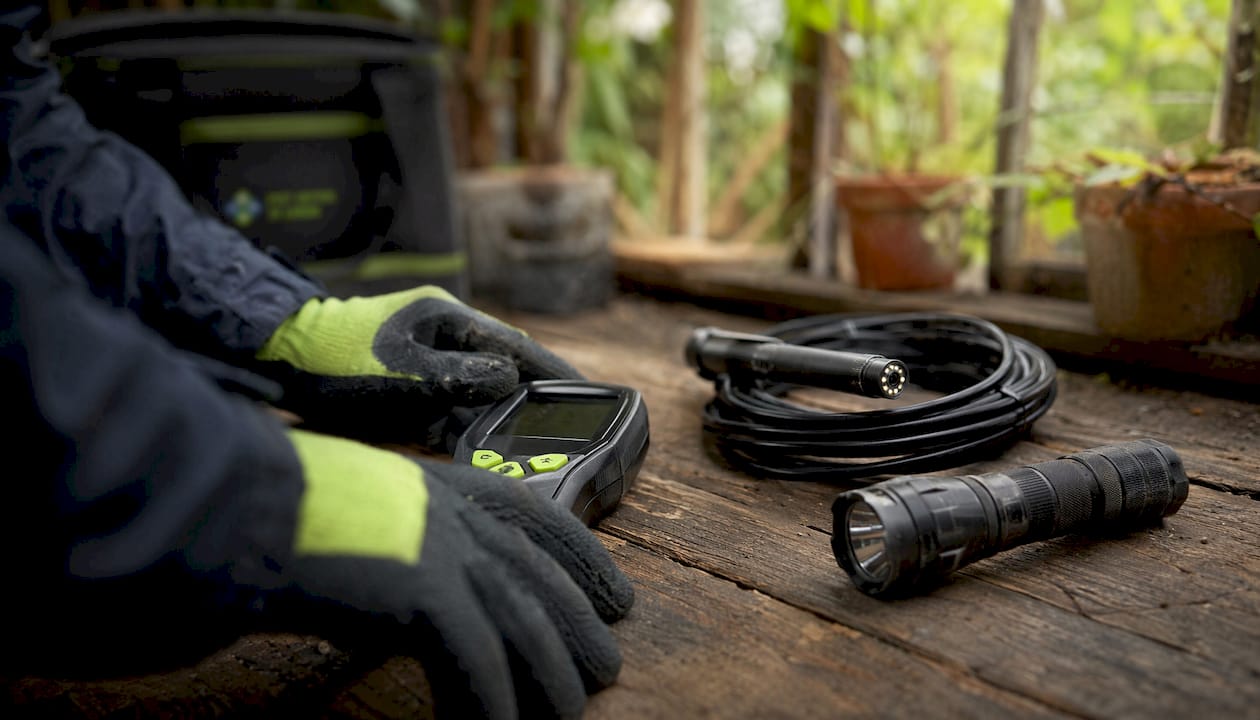
| Tool | Purpose |
|---|---|
| Moisture meter | Identifies damp zones that attract insects and rodents |
| Borescope | Inspects wall cavities and voids without drilling |
| Thermal camera | Detects heat from rodent activity or moisture behind surfaces |
| High-powered torch | Reveals droppings, grease marks, and gnaw damage in dark areas |
| Inspection mirror | Examines behind appliances and under fixtures |
Homeowner preparation matters just as much as professional equipment. Clear access to loft hatches, under-sink cupboards, and utility meters before the inspector arrives. Secure pets, gather any records of previous pest treatments, and note when and where you first noticed signs of activity. That history helps the inspector prioritise areas and interpret findings accurately.
Pro Tip: Schedule your inspection in the morning when pests are less active and natural light assists exterior checks. Avoid the day after heavy rain, as moisture readings will be temporarily elevated and may skew the assessment.
A professional pest inspection can last from 30 minutes for a small flat to several hours for a large or complex property. That time investment reflects the depth of the survey, not inefficiency.
What is the step-by-step process of a professional pest inspection procedure?
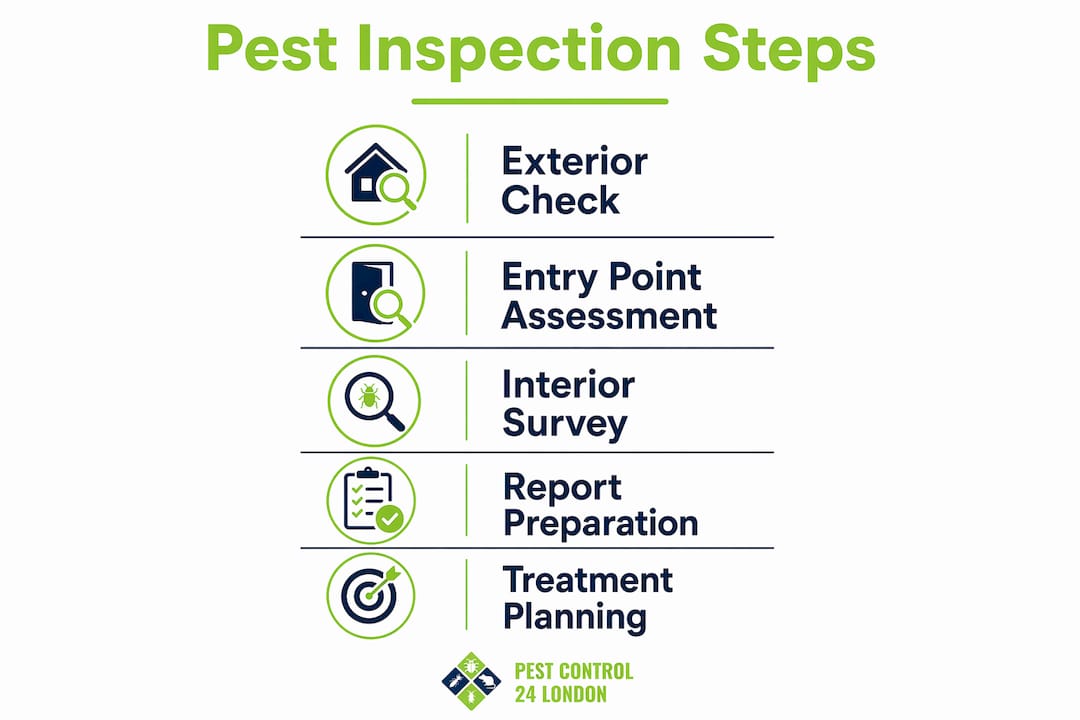
A structured sequence separates a professional survey from a casual look around. Zoned inspections starting with exterior pressure points are critical. Inspecting interiors first is a common mistake that leads to failed treatments because root causes at entry points go unaddressed.
The standard process follows this order:
- Homeowner interview. The inspector asks about pest history, recent sightings, previous treatments, and any structural changes. This shapes the entire inspection focus.
- Exterior perimeter check. The inspector examines the foundation for gaps, checks gutters and downpipes for blockages, assesses mulch depth against the building, and inspects utility penetrations and air vents.
- Landscaping and drainage review. Overgrown vegetation, standing water, and compost bins close to the building are documented as conducive conditions.
- Interior kitchen and bathroom inspection. These rooms carry the highest risk. The inspector checks under sinks, behind appliances, inside cupboards, and around pipe penetrations.
- Loft, crawl space, and basement assessment. These areas harbour rodents, insects, and structural pest damage. Borescopes and moisture meters are used here extensively.
- Storage areas and utility rooms. Cardboard, clutter, and infrequently disturbed spaces provide ideal harborage for cockroaches, mice, and silverfish.
- Documentation and photography. Every finding is recorded with photographs and precise location notes.
Common pest indicators inspected at each stage include:
- Droppings and urine trails from rodents
- Gnaw marks on cables, pipework, and structural timbers
- Grease marks along skirting boards and wall junctions
- Larvae, shed skins, or webbing from stored-product insects
- Mud tubes on foundations indicating termite or wood-boring insect activity
- Moisture damage or staining linked to fungal decay and wood-destroying insects
- Live or dead insects near entry points, drains, or food storage
The inspection process moves from the exterior inward, ensuring that entry points and environmental pressures are understood before interior findings are interpreted.
How to interpret pest inspection reports and what actions to take
A pest inspection report is only useful if you act on it. A high-quality report links each finding directly to a treatment rationale, includes follow-up timelines, and distinguishes between active infestations and conducive conditions. That distinction matters enormously.
Finding live rodents is urgent. Finding a gap in the foundation that could admit rodents is equally serious, even if no pests are present yet. Both require action, but the priority and response differ. Conducive conditions left unaddressed guarantee re-infestation after any treatment.
Pro Tip: Ask your inspector three questions after the survey: Which finding poses the greatest immediate risk? Which structural repairs will prevent re-entry? What is the recommended treatment sequence and timeline?
Common mistakes property owners make after receiving a report include:
- Treating the infestation without completing the recommended proofing work
- Delaying exclusion repairs because no live pests were found at the time
- Ignoring moisture-related findings as a “building issue” rather than a pest risk
- Failing to schedule a follow-up inspection after treatment to confirm success
Clear communication from the inspector and genuine engagement from the property owner together determine whether a treatment succeeds long term. Detailed reporting at the end of an inspection is vital to encourage owner compliance and effective follow-up.
What is the difference between pest inspections and general home inspections?
General home inspections and pest surveys are not interchangeable. Standard home inspections legally exclude comprehensive pest or wood-destroying insect (WDI) assessments. A home inspector checks structure, electrics, and plumbing. Detecting termites, carpenter ants, or wood-boring beetles requires a separate, specialist survey.
The NPMA-33 form is the recognised standard document for WDI inspections in professional practice. It records findings specific to wood-destroying organisms and is required by mortgage lenders in many property transactions. A general home inspector cannot complete this form without pest specialist licensing.
| Inspection type | Scope | Limitations |
|---|---|---|
| General home inspection | Structure, electrics, plumbing, roofing | Excludes pest identification and WDI assessment |
| Specialist pest survey | Active pests, conducive conditions, entry points | Does not assess non-pest structural defects |
| WDI inspection | Wood-destroying insects and organisms | Focused scope; requires specialist licensing |
Home inspectors subcontracting WDI work is common practice. Always verify who actually performs the pest element of any survey and confirm their qualifications. In the UK, look for BPCA-qualified inspectors as the recognised standard for professional competence. Pestcontrol24london holds full BPCA qualification, which means every inspection meets the industry benchmark for thoroughness and accuracy.
For property transactions, a pre-purchase pest inspection is a separate, dedicated survey that protects buyers from inheriting hidden infestations or structural pest damage. Relying on a general home inspection alone leaves significant risk undetected.
Key takeaways
A thorough pest inspection procedure identifies both active infestations and the structural and environmental conditions that allow pests to enter and persist.
| Point | Details |
|---|---|
| Exterior-first sequence | Inspectors must assess entry points and conducive conditions before moving indoors. |
| Specialist tools required | Borescopes and moisture meters detect pest activity invisible to the naked eye. |
| Reports need action | Each finding must link to a specific repair or treatment to prevent re-infestation. |
| Pest and home inspections differ | A general home inspection does not cover WDI or specialist pest assessment. |
| Credentials matter | Always verify BPCA qualification before commissioning any pest survey. |
Why I think most property owners underestimate what a pest inspection actually involves
After years working in pest control across London, the single most common surprise I see is how little property owners expect from a thorough survey. Most assume the inspector will walk around, spot a mouse dropping, and leave. The reality is that a proper inspection takes time, uses equipment most homeowners have never seen, and produces findings that go well beyond “we found a pest.”
The most valuable part of any inspection is not identifying the pest. It is identifying why the pest is there. Conducive conditions such as moisture sources, drainage failures, and harborage points are the real story. Treat the infestation without addressing those conditions and you will be calling for another treatment within months.
I also see property owners receive detailed reports and then act on only the most visible findings. A gap behind a pipe under the kitchen sink looks minor. To a mouse, it is a permanent address. The pest exclusion work that follows an inspection is not optional. It is the treatment.
My honest advice: engage with the full report, ask questions, and treat the inspector’s time on site as an investment in the long-term health of your property.
— Dan
Pestcontrol24london: professional pest inspection services in London
Pestcontrol24london has delivered professional pest inspections across London since 2015, working with hotels, restaurants, commercial premises, and residential properties. Every survey is carried out by BPCA-qualified technicians following a structured, exterior-first inspection sequence with full photographic documentation.

After the inspection, Pestcontrol24london provides a clear, actionable report with prioritised recommendations and treatment timelines. Where treatment is required, the team also offers post-treatment sanitisation to restore hygiene and reduce the risk of re-infestation. Contact Pestcontrol24london to book a survey or request a free quote for your London property.
FAQ
What does a pest inspection procedure involve?
A pest inspection procedure is a structured, non-invasive survey of a property’s exterior and interior to identify active pests, entry points, and conducive conditions. Professionals use tools including moisture meters, borescopes, and thermal cameras to detect activity that is not visible to the naked eye.
How long does a professional pest inspection take?
A professional pest inspection lasts from 30 minutes for a small flat to several hours for a large or complex property, depending on size and the number of risk areas identified.
Is a pest inspection the same as a home inspection?
No. A general home inspection excludes detailed pest or WDI assessments by law in most jurisdictions. A specialist pest survey requires separate licensing and covers active infestations, wood-destroying insects, and conducive conditions that a home inspector is not qualified to assess.
What should I do after receiving a pest inspection report?
Act on every finding, not just the most visible ones. Prioritise proofing and exclusion repairs alongside any treatment, and schedule a follow-up inspection to confirm the infestation has been resolved.
Do I need a pest inspection before buying a property in London?
A pre-purchase pest inspection is strongly recommended before any property purchase. It identifies hidden infestations and structural pest damage that a standard home survey will not detect, protecting buyers from costly problems after completion.