

London is home to millions of people, and it seems millions of pests are competing for space too. UK rodent infestations rose 20.4% between 2022 and 2023, with London accounting for roughly a quarter of all rat reports nationally. Yet many homeowners and property managers are still confused about how infestations begin, what they are legally required to do about them, and when professional help becomes necessary. This article cuts through the confusion with clear, practical information covering causes, legal responsibilities, and the most effective steps you can take right now to protect your property.
Table of Contents
- What is a pest infestation?
- Why infestations happen: Causes and hotspots in London
- Legal responsibilities: Who must act when pests invade?
- Practical steps for tackling and preventing pest infestations
- Our take: Why London’s pest problem needs ongoing vigilance
- Get expert help for London pest infestations
- Frequently asked questions
Key Takeaways
| Point | Details |
|---|---|
| Rodent infestations rising | Cases in London have surged, now making up a large share of pest reports. |
| Responsibility is shared | Both landlords and tenants have legal duties to keep properties pest-free. |
| Proactive action is vital | Quick, informed action and prevention are the best ways to handle infestations. |
| Expert help is available | Professional pest controllers can address complex or persistent problems fast. |
What is a pest infestation?
A pest infestation is not simply spotting a single mouse or finding one cockroach in a corner. It refers to the presence of pests at levels that affect the health, safety, or structural integrity of a property. A single sighting can be a warning sign, but an infestation exists when pests are actively breeding, feeding, or nesting within or around your home.
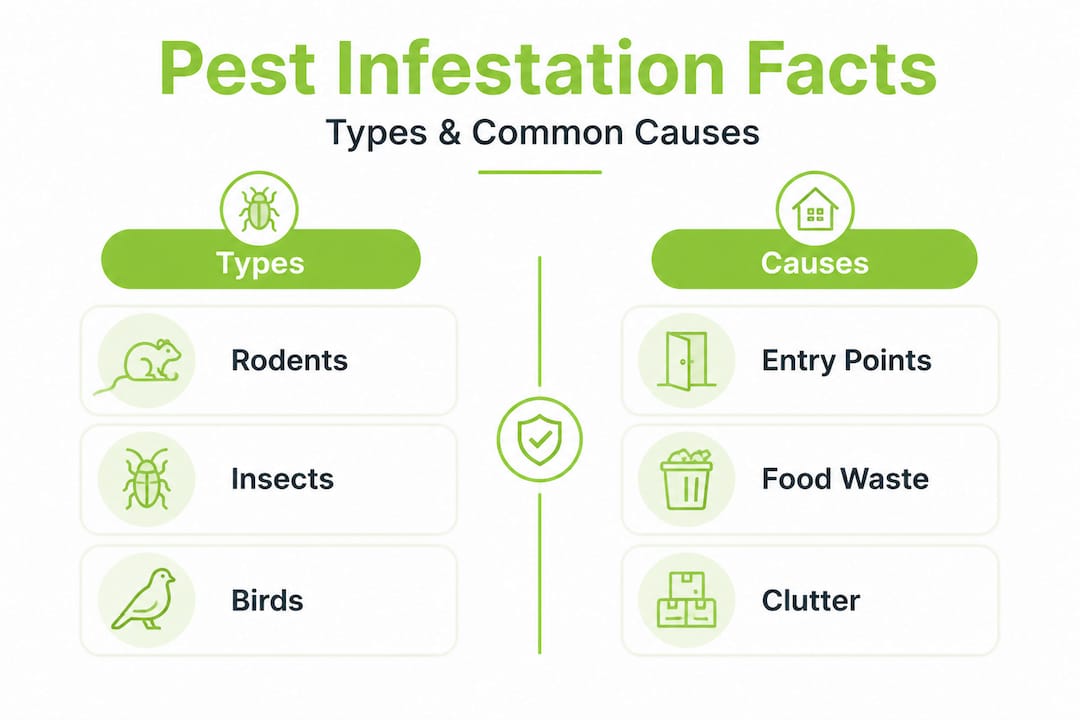
The most common pests found in London properties include:
- Rats and mice, which gnaw through cables, contaminate food, and spread disease
- Cockroaches, which thrive in warm, moist environments such as kitchens and bathrooms
- Bed bugs, which hide in mattresses and furniture and cause significant distress to residents
- Squirrels, particularly grey squirrels, which enter loft spaces and cause structural damage
- Flies and wasps, which can signal underlying hygiene or waste issues
“A pest infestation is not just an inconvenience. It is a public health concern, a structural risk, and in many cases a legal matter. Early intervention is crucial before problems escalate.”
One of the most persistent misconceptions is that infestations only happen in dirty or neglected properties. This is simply not true. London reported 118,000 rodent cases between 2023 and mid-2025, and many of those properties were well-maintained. In a city as densely populated as London, pests move between buildings through shared walls, drainage systems, and communal spaces. No property is entirely immune. For further reading, our pest infestation advice covers a wide range of pest types and practical guidance.
Why infestations happen: Causes and hotspots in London
Understanding why infestations occur helps you take the right preventive steps. London’s environment creates almost ideal conditions for many pest species, and several factors combine to drive the numbers upward year on year.
Key contributing factors include:
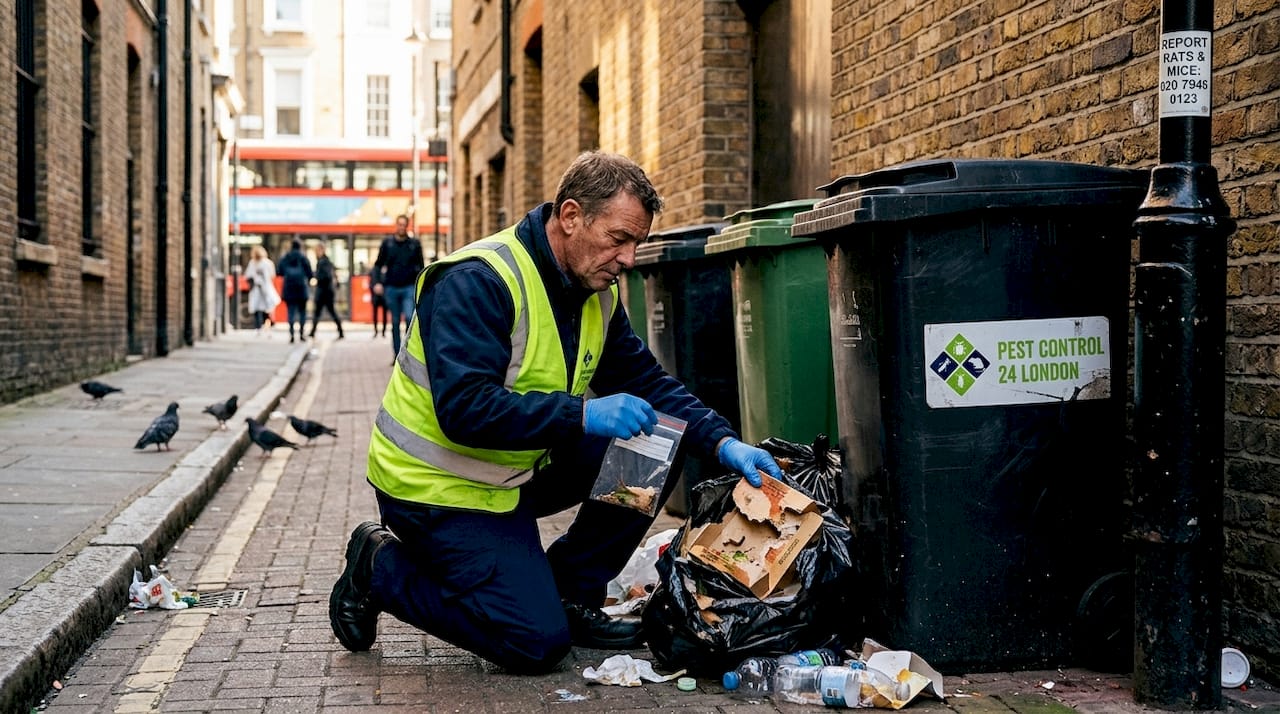
- Rubbish management: Overflowing bins and inconsistent waste collection schedules give rats and cockroaches a constant food source
- Ageing building stock: Older properties have more cracks, gaps, and deteriorating pipework that pests exploit as entry points
- Dense urban living: Terraced houses and flats share walls, meaning a problem next door can quickly become your problem
- Seasonal activity: Autumn and winter drive rodents indoors in search of warmth, causing a predictable spike in call-outs
London accounts for approximately 25% of UK rat reports, and rodent activity makes up the vast majority of pest cases reported across the capital. Certain boroughs consistently report higher numbers of cases, particularly those with high-density housing, active food markets, or ageing sewer infrastructure.
| Borough type | Key risk factor | Most common pest |
|---|---|---|
| Inner city, high density | Waste management, shared drains | Rats, cockroaches |
| Outer suburban, older stock | Ageing structures, loft access | Mice, squirrels |
| Areas near parks or canals | Natural habitat overlap | Rats, wasps |
| Commercial and residential mix | Food waste, foot traffic | Cockroaches, flies |
Seasonal patterns are worth tracking. Rodent activity typically peaks between October and February as temperatures drop. Wasps and flies become more problematic in late spring through summer. Bed bugs are active year-round but often spike following holidays and increased travel. Keeping an eye on London pest trends can help you prepare before problems arise.
Pro Tip: Inspect the exterior of your property every autumn, paying particular attention to gaps around pipes, airbricks, and the base of doors. Sealing these before winter begins can significantly reduce the risk of rodents entering your home.
Legal responsibilities: Who must act when pests invade?
With infestations on the rise, it is vital to know who is responsible for fixing the problem. The answer depends on the cause of the infestation and the type of property arrangement in place.
Landlords are responsible for structural issues and any pre-existing infestations. Tenants, on the other hand, are liable when an infestation arises as a direct result of poor hygiene or neglect during their tenancy. This split is rooted in the Landlord and Tenant Act 1985, which requires landlords to maintain the structure and exterior of their properties in good repair.
Here is a clear step-by-step approach when responsibility is disputed:
- Document the infestation thoroughly with photographs, written notes, and dates of first sighting
- Notify your landlord or managing agent in writing, keeping a copy of all correspondence
- Check the tenancy agreement for any specific pest control clauses
- Contact your local council if the responsible party fails to act within a reasonable timeframe
- Seek professional advice from a qualified pest controller who can provide an independent assessment of the likely cause
| Scenario | Responsible party | Action required |
|---|---|---|
| Rats entering through broken drains | Landlord | Structural repair and pest treatment |
| Cockroaches from tenant food waste | Tenant | Deep clean and professional treatment |
| Mice via gaps in skirting boards | Landlord | Proofing and pest control |
| Bed bugs from tenant’s travel | Tenant | Professional bed bug treatment |
Ignoring the issue carries serious consequences. Failing to keep a premises pest-free risks enforcement action under the law, and councils have the power to issue formal notices and significant fines. Our domestic pest solutions page explains how professional assessments can help clarify responsibility and resolve disputes more quickly.
Practical steps for tackling and preventing pest infestations
Once you know your legal position, taking the right actions makes all the difference. Whether you are dealing with an active infestation or trying to prevent one from starting, a structured approach is the most effective.
If you suspect an active infestation:
- Stop the pest’s food and water source immediately by storing food in sealed containers and fixing dripping taps
- Identify entry points such as gaps around pipework, vents, and loose roof tiles
- Avoid disturbing nesting areas without professional guidance, as this can spread the problem
- Contact a qualified pest controller as soon as possible to carry out a proper assessment
For ongoing prevention:
- Store general waste in sealed, pest-proof bins and arrange collection regularly
- Keep communal areas and outbuildings clear of clutter where pests can nest
- Seal gaps around pipes, cables, and structural joints using wire wool and appropriate filler
- Clean behind appliances regularly, as grease and food debris create ideal conditions for cockroaches
The Prevention of Damage by Pests Act 1949 places a legal duty on property owners and occupiers to keep premises free from rats and mice. This is not optional guidance. It is a legal requirement with real enforcement powers behind it.
Statistic to note: Pest controllers across London report that properties with no regular inspection schedule are significantly more likely to experience repeat infestations within 12 months of treatment. Ongoing vigilance is as important as the initial treatment.
Pro Tip: After any professional treatment, consider booking a follow-up inspection six to eight weeks later. Pest populations can rebound quickly if entry points have not been fully sealed. Pairing professional rat removal with post-infestation cleaning offers the most thorough resolution.
Our take: Why London’s pest problem needs ongoing vigilance
Having worked across London since 2015, treating everything from single-bedroom flats in Hackney to large hotel chains in the West End, we have seen one pattern repeat itself more than any other. Property owners address the immediate problem and then assume the job is done. It rarely is.
London is not a city where you can treat a pest problem once and forget about it. The infrastructure, the density, the sheer volume of food waste generated daily, all of these factors mean that pest pressure is constant and it does not stop when your treatment ends. BPCA notes the sustained rise in rodent infestations continuing into 2026, and our own call-out records reflect exactly that trend.
What most guides fail to mention is that even spotlessly clean, well-maintained properties in high-activity boroughs face real risk. We have treated homes in newly renovated buildings where rats entered through shared underground drainage before the owners had even unpacked. Cleanliness matters enormously, but it is not a guarantee.
The most effective approach combines personal responsibility, which means consistent hygiene and proofing, with professional pest disinfection advice and periodic inspections. Think of it the same way you think about home maintenance. You would not fix a leaking pipe once and never check it again. Pest control deserves the same ongoing attention.
Get expert help for London pest infestations
If pests are already a concern in your property, local experts can provide immediate relief and lasting peace of mind.

At Pest Control 24 London, we have been serving homeowners and property managers across the capital for over a decade. Our BPCA-qualified technicians respond quickly, assess infestations thoroughly, and apply treatments that are effective and safe for your household. Whether you need rapid pest control for an urgent situation or are looking for preventive support, we cover the full range of residential and commercial pest challenges. Visit our London pest control services page to see how we can help, or explore our home pest removal options to find the right solution for your property.
Frequently asked questions
How do I know if I have a pest infestation?
Common signs include droppings, gnaw marks, nesting material, damaged food packaging, and unusual scratching noises, particularly at night. Rats account for 25% of all UK pest activity, so rodent signs are among the most frequent warnings homeowners encounter.
Who pays for pest control: tenant or landlord?
Landlords are responsible for structural or pre-existing infestations, while tenants are liable when the infestation results from their own negligence or poor hygiene, as set out in the Landlord and Tenant Act 1985.
Can the council help with pest problems?
If the responsible party fails to act, the council can issue formal notices and fines. Failure to maintain pest-free premises risks enforcement action under the Prevention of Damage by Pests Act 1949.
What is the most common pest in London homes?
Rodents, particularly rats, are the most frequently reported pest in London. Rodents represent 91% of pest control visits recorded in 2024, making them by far the most significant concern for London homeowners and property managers.
Recommended
- Essential steps to prepare for pest treatment in London homes
- Essential pest control tips for London homes and businesses
- Domestic pest control: a practical guide for London homes
- Best pest control practices for London homes: 10+ years of expertise
- Invasive species eradication plan: guide for UK homeowners