

The fastest way to stop mice taking hold in an office is an integrated approach: sanitise food and waste areas, seal entry points, monitor consistently, and bring in a BPCA-qualified professional before a sighting becomes an infestation. No single tactic solves the problem on its own, and offices that rely on traps alone almost always see the problem return within a few months.
Three things to do today, before you read any further:
- Secure all food waste in sealed bins and clear desks of open snacks by close of business.
- Log any sighting or dropping find in a simple report, with location, time and a photo.
- Book a perimeter check of loading docks, utility chases and ground-floor doors this week.
Every day this goes unaddressed, the risk compounds. Mice contaminate surfaces with Salmonella and can trigger asthma in sensitive staff, and beyond the health exposure, gnawed cabling and damaged stock carry a real repair bill.
Pro Tip: Walk the building perimeter at dusk once a month. Mice are most active at twilight, and you will spot fresh droppings or gnaw marks that daytime cleaning has already disturbed.
| Point | Details |
|---|---|
| Integrated approach wins | Sanitation, exclusion and monitoring together outperform any single measure. |
| Report early | Log sightings immediately so patterns emerge before numbers grow. |
| Professional check | A perimeter and proofing survey should happen within the first week. |
Key Takeaways
Integrated prevention, combining sanitation, exclusion and consistent monitoring, stops office mouse problems faster and more permanently than any single measure alone.
| Point | Details |
|---|---|
| Act on signs immediately | Log droppings, gnaw marks or sightings the same day they are found. |
| Seal gaps properly | Use steel wool and caulk on entry points, since mice fit through dime-sized gaps. |
| Assign clear ownership | Split daily cleaning, weekly checks and quarterly surveys across named roles. |
| Escalate at the right point | Call a professional after multiple sightings or two to three weeks without improvement. |
| Choose a qualified provider | Pestcontrol24london offers BPCA-qualified surveys, proofing and 24/7 emergency response. |
Table of Contents
- What attracts mice to office buildings
- Common signs of mice in your office
- Ten prevention measures every office should follow
- Running an office mouse prevention programme
- When to call a professional pest controller
- How Pestcontrol24london supports your prevention programme
- Frequently asked questions
- Sources
What attracts mice to office buildings
Mice go where three things exist together: food, warmth and undisturbed shelter. Office buildings offer all three without much effort on the mouse’s part.
- Kitchenette bins left open overnight or crumbs behind vending machines.
- Cardboard storage, archive boxes and rarely disturbed stationery cupboards.
- Heating risers, server rooms and boiler cupboards that stay warm year round.
- Loading docks with gaps under roller doors and poorly sealed delivery bays.
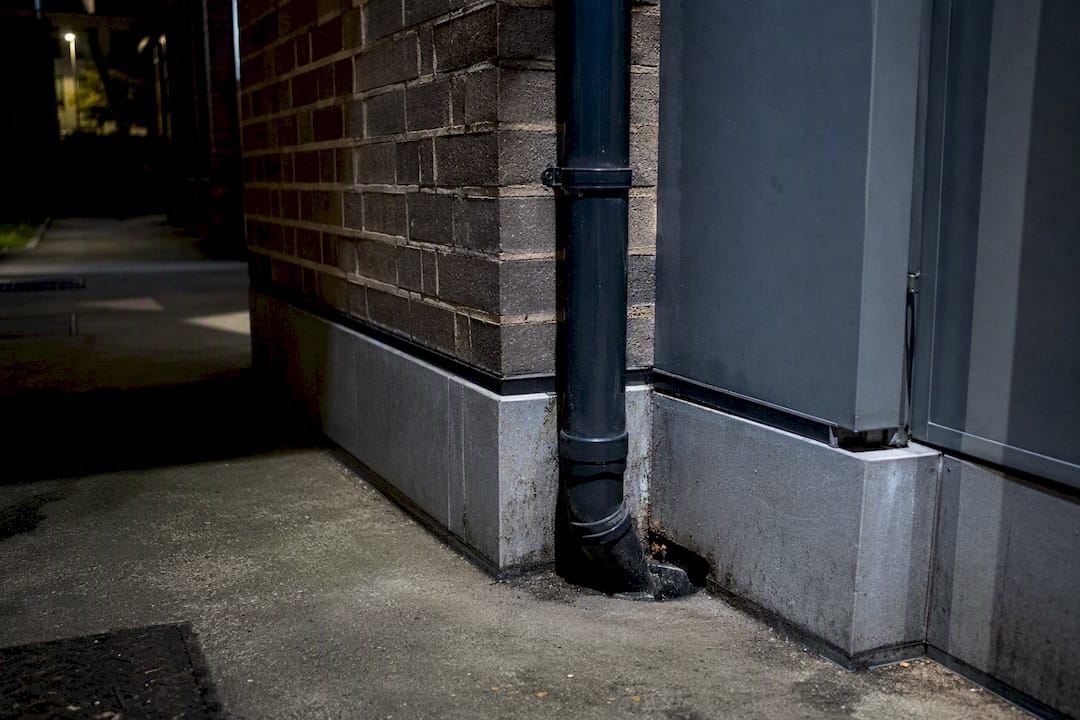
Structurally, the usual culprits are gaps around pipework, cable penetrations into suspended ceilings, and worn door sweeps at fire exits. Overgrown shrubs or ivy against external walls give mice a hidden route from the car park to the building fabric itself.
Activity rises noticeably in colder months, when mice move indoors seeking warmth, and in buildings with reduced occupancy over holiday periods, when there is nobody around to disturb them. A building that sits half empty over Christmas is, from a mouse’s perspective, an ideal winter residence.
Pro Tip: Check external wall junctions and drainpipe collars with a torch on a dry evening. Grease smudges or a slightly rounded, worn edge around a gap usually mean it is already in regular use.
Common signs of mice in your office
Catching activity early depends on knowing exactly what to look for and where.
- Droppings: dark, rice-grain-sized pellets, often clustered near food sources.
- Gnaw marks on skirting, cardboard, cabling or plastic storage.
- Grease marks: dark smears along skirting boards where fur brushes repeatedly.
- Scratching or scuttling sounds, typically after hours or early morning.
- Nesting material: shredded paper or fabric tucked into quiet corners.
- Daytime sightings, which usually indicate a population large enough to push weaker individuals out during the day.
Check break rooms, under desks, plant rooms, riser cupboards and basement storage first. These are the areas cleaning staff pass through quickly and where clutter accumulates unnoticed.
A simple sighting report should capture four fields: location, time, a photo if possible, and any immediate action taken. Keep this consistent and it becomes a genuinely useful record when you eventually need it for a professional survey.
Ten prevention measures every office should follow
Each of these ten measures does a specific job. Skipping any one of them leaves a gap the others cannot fully cover.
- Exterior and site management. Cut back vegetation touching the building, keep skip and bin areas at least a metre from walls, and check drainage covers for damage. Review monthly.
- Seal entry points. Mice can squeeze through gaps as small as a dime, around a quarter of an inch. Fill gaps with steel wool packed behind exterior-grade caulk, never expanding foam alone, which mice chew through easily. Check quarterly, or use a mouse proofing guide for material specifics.
- Fit door sweeps and thresholds. Fire doors and loading bay doors are common gaps. Inspect weekly on high-traffic entrances.
- Food storage policy. Require sealed containers for desk snacks and communal kitchens; ban open food storage overnight. Reinforce daily through simple signage.
- Cleaning routines. Daily wipe-downs of kitchen surfaces and floor sweeps under desks remove the crumbs that keep mice interested. Sanitation is the foundation of any prevention programme, not an afterthought to it.
- Waste management. Empty bins daily, use lidded containers, and keep external skips sealed and away from walls. Practical hotspots such as kitchenettes and server closets deserve particular attention here.
- Clutter control. Archive boxes off the floor, on shelving, reviewed quarterly, reduce the undisturbed harbourage mice prefer.
- Monitoring stations. Discreet, tamper-resistant bait or snap-trap stations at known hotspots, checked weekly by a contractor or trained staff member.
- Employee reporting and training. A five-minute induction covering what signs to look for and where to report them costs almost nothing and catches problems weeks earlier than relying on cleaning staff alone.
- Technology-enabled monitoring and scheduled professional inspections. Sensor-fitted traps that alert facilities teams by text or app cut the lag between activity and response, and should sit alongside, not instead of, a scheduled professional visit.
A phased approach of assess, implement and maintain keeps these measures from becoming a one-off exercise that quietly lapses.
Why one measure is never enough: offices that rely solely on ultrasonic repellers or occasional trap checks routinely see mice return within weeks. A combined approach of sanitation, exclusion and monitoring produces materially better long-term results than any single tactic used alone.
Any rodenticide use on site should follow CRRU guidance to protect non-target wildlife and staff, and bait stations must sit in areas inaccessible to employees and visitors, particularly where the public visits the premises.
Pro Tip: If disruption during working hours is a concern, ask your contractor to carry out proofing and bait station placement out of hours. Most commercial providers will schedule this without extra charge for the inconvenience.
Running an office mouse prevention programme
A prevention plan only works if responsibilities are written down and someone owns each task.
- Facilities manager: owns the overall plan, procurement, and the professional contract.
- Cleaning contractor: daily waste removal and surface sanitation, feeding into the same reporting log.
- On-site staff: report sightings immediately using the standard template.
- External pest controller: quarterly inspections, proofing maintenance, and emergency response.
| Task | Frequency | Owner |
|---|---|---|
| Bin emptying and kitchen wipe-down | Daily | Cleaning contractor |
| Monitoring station check | Weekly | Facilities or contractor |
| Perimeter and entry-point check | Monthly | Facilities manager |
| Full proofing and professional survey | Quarterly | External pest controller |
Procurement should cover steel wool, caulk, door sweeps, tamper-resistant bait stations and, where budget allows, sensor-alert traps. Keep a written, site-specific pest prevention plan alongside dated inspection records and an incident log. If an auditor or new tenant ever asks how you manage rodent risk, this documentation answers the question in minutes rather than days. Reviewing common commercial mistakes before you start is worth the half hour it takes.
When to call a professional pest controller
Certain signs mean DIY measures have run their course.
- Sightings in more than one area of the building.
- Droppings found in multiple rooms rather than a single spot.
- Daytime sightings, which point to a larger population.
- Damage to wiring, insulation or stored stock.
- No improvement after two to three weeks of your own measures.
A commercial pest controller should deliver a full site survey, written proofing recommendations, tamper-resistant baiting or monitoring stations, and a documented follow-up schedule. Before signing anything, ask about BPCA membership, public liability insurance, their health-and-safety approach around bait placement, and what guarantee sits behind the work. Most reputable providers respond to a commercial enquiry within 24 to 48 hours and complete an initial survey within a week. Costs shape around two variables: whether the job is mainly proofing (a fixed materials-and-labour cost) or ongoing treatment and monitoring (usually a rolling contract), so ask for both quoted separately.
A loading dock is rarely as sealed as it looks
The gap under a loading bay roller door is the single most common entry point missed on a first walkthrough. It sits below eye level, gets propped open for deliveries, and the rubber seal wears unevenly without anyone noticing until droppings turn up on the warehouse floor behind it. The fix is straightforward: a proper brush strip fitted to the full width of the door, checked every time the door is serviced, not just when someone happens to spot a gap. Facilities teams that add this one check to their existing door maintenance schedule catch the problem before it ever reaches the office floor above.

How Pestcontrol24london supports your prevention programme
Sealing gaps and setting bait stations gets you partway there, but a full commercial programme needs someone checking the building consistently and holding the paperwork when you need it. Pestcontrol24london has spent over a decade handling rodent problems across London offices, restaurants, hotels and shops, and we are fully BPCA qualified, so every proofing and monitoring recommendation follows recognised industry standards rather than guesswork.

Our commercial service covers a full site survey, proofing work using the same exclusion methods outlined above, tamper-resistant monitoring stations, and post-treatment sanitisation where an infestation has already left contamination behind. We also offer 24/7 emergency callouts, which matters when a sighting happens on a Friday afternoon and nobody wants to walk into the same problem on Monday.
If you recognise any of the trigger points above in your own building, book a commercial pest control survey with us. You will get a site visit, a written quote, and a proofing plan tailored to your building’s specific entry points, not a generic checklist.
Frequently asked questions
How quickly can mice become a serious problem in an office?
A single breeding pair can produce dozens of offspring within a few months, so a handful of sightings can escalate faster than most facility teams expect if left unaddressed.
Do ultrasonic repellers actually work for office mouse prevention?
They are not a reliable standalone solution. Mice habituate to sound quickly, and every credible prevention programme pairs exclusion and sanitation with monitoring rather than relying on repellers alone.
Who should staff report a mouse sighting to?
Whoever owns your pest prevention plan, usually the facilities manager, using a simple report noting location, time and a photo, so patterns across the building become visible.
Is professional pest control worth it for a small office?
Even small offices benefit from an initial survey, since hidden entry points are hard to spot without training, and a proofing job done once properly is cheaper than repeated DIY fixes that do not hold.
What’s the difference between proofing and treatment costs?
Proofing is typically a fixed cost for materials and labour on sealing entry points, while treatment and ongoing monitoring usually run as a rolling contract, priced around visit frequency and the number of stations required.
Sources
- How to Prevent Mice in the Workplace: Practical Tips for Offices
- House Mice: Preventing and Managing in the Environment
- How To Prevent Mice In Offices: Your Ultimate Office Mouse Defense Guide | Pestclue
- BPCA