

Maintaining a pest free business is defined by the industry as the continuous application of Integrated Pest Management (IPM), the recognised commercial standard that combines prevention, monitoring, and targeted treatment. IPM reduces pesticide reliance by up to 85% compared to broad-spectrum spraying, making it both a compliance requirement and a reputational safeguard. Health departments and food safety regulators across the UK now expect businesses to demonstrate an ongoing, documented pest management programme rather than a one-off chemical treatment. Pestcontrol24london has delivered BPCA-qualified IPM services to London hotels, restaurants, and retail premises since 2015, and the principles below reflect what actually works in practice.
How to maintain a pest free business through sanitation and structural care
Sanitation and structural maintenance account for 70–80% of effective pest control, with chemical treatments reserved as a last resort. That figure means the majority of your pest risk is addressed before a single product is applied. Cleaning routines, waste management, and building integrity form the foundation of any credible pest management plan.
Daily cleaning must remove food residues, grease, and standing water from all food preparation and storage areas. Foodservice sanitation standards require that equipment surfaces, drainage channels, and waste bins are cleaned on a fixed schedule, not reactively. Pests follow food and moisture, so eliminating both removes the primary attractant.
Structural proofing is equally critical. Common entry points include gaps around pipework, worn door seals, and cracked masonry. Door sweeps and steel wool sealing cost significantly less than recurring chemical treatments, yet many businesses overlook them entirely.
| Structural issue | Recommended fix |
|---|---|
| Gaps around pipework | Seal with fire-rated foam or steel wool |
| Worn door seals | Fit brush strips or rubber door sweeps |
| Cracked masonry | Fill with exterior-grade mortar |
| Damaged roof soffits | Replace boards and fit mesh proofing |
| Open drainage channels | Install pest-proof drain covers |
Key sanitation actions to maintain week on week:
- Remove all food waste from premises at close of business each day
- Store dry goods in sealed, pest-resistant containers above floor level
- Clean grease traps and drainage channels on a fixed weekly schedule
- Inspect incoming deliveries for signs of larvae or gnawing before storage
- Keep external bin areas clean and lids secured at all times
Pro Tip: Inspect the perimeter of your building at ground level every month. Rodents can enter through a gap as small as 10mm, and catching a new crack early costs far less than treating an established infestation.
What does a pest monitoring and documentation plan involve?
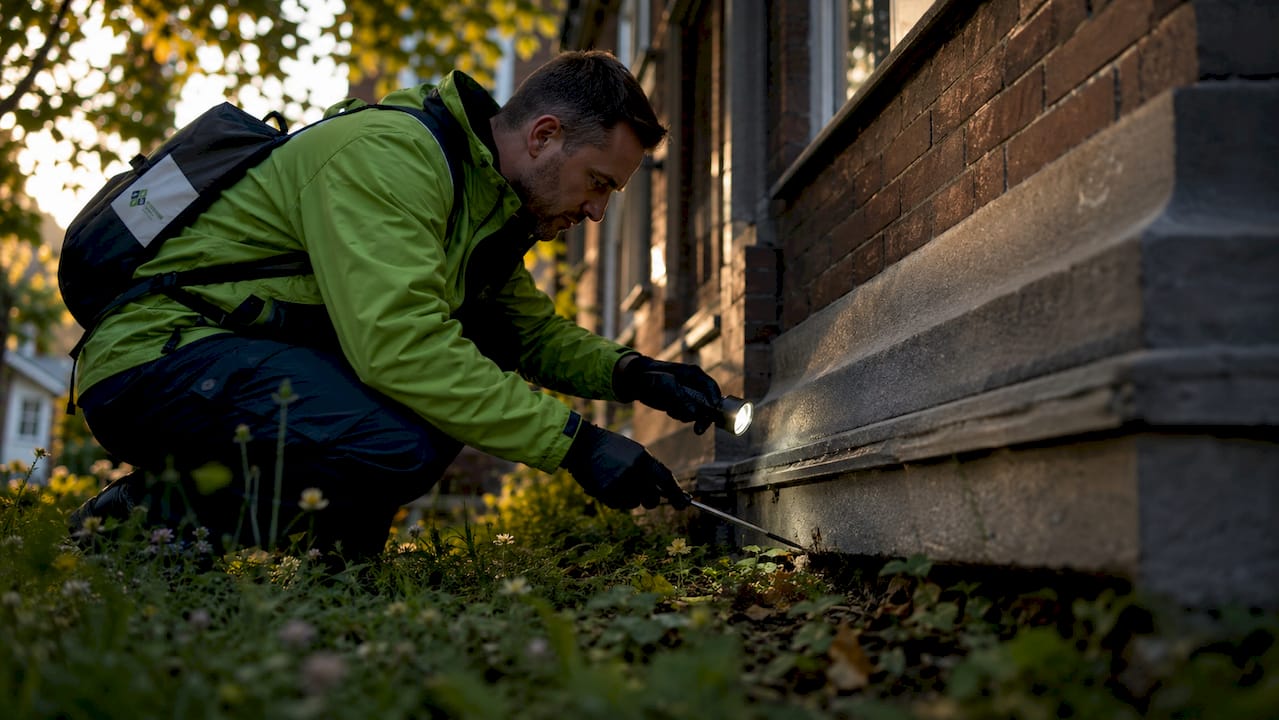
Systematic monitoring is what separates a reactive business from a compliant one. IPM relies on detailed pest logbooks to identify pest micro-habitats and enable precision targeting, which drastically reduces pesticide use. Without records, you cannot demonstrate compliance to a health inspector or identify where an infestation originated.
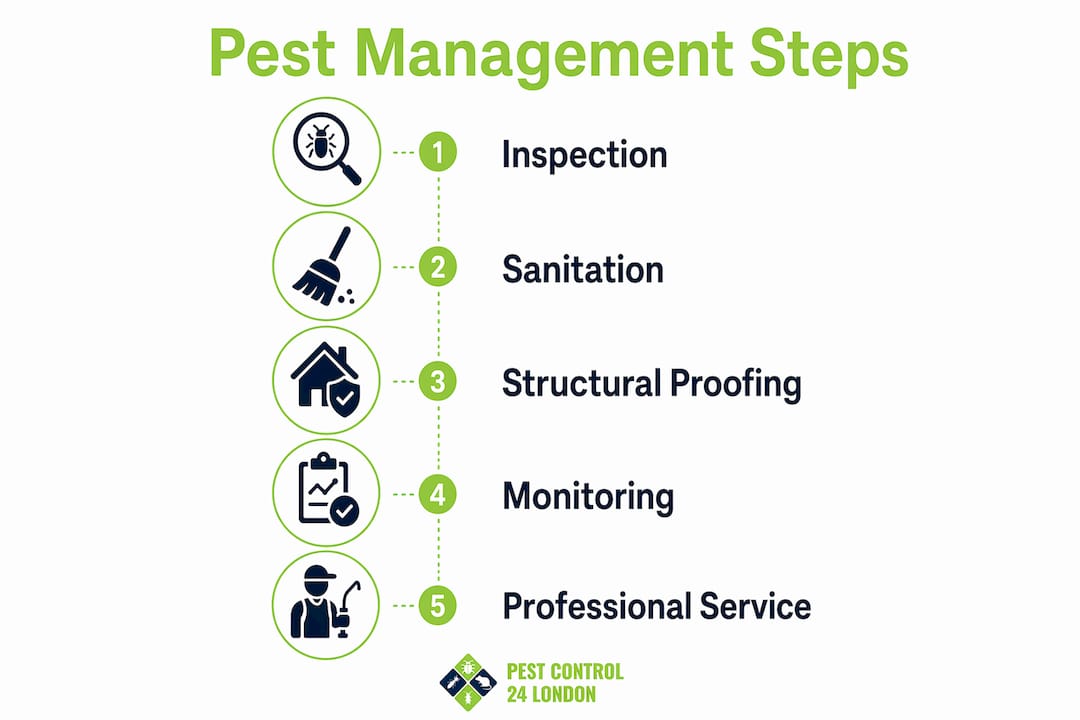
Inspections should be scheduled at least quarterly, with bi-monthly visits for food businesses or healthcare premises. Each inspection generates data that informs the next treatment decision. Thorough pest activity documentation is the primary tool regulated businesses use to pass health audits and avoid licence suspensions. A logbook entry costs nothing; a failed audit can cost everything.
A complete monitoring and documentation system includes:
- Pest sighting log: date, time, location, species, and quantity observed
- Treatment records: product used, application area, dosage, and operative name
- Inspection reports: findings from each scheduled visit with photographs where possible
- Corrective action log: structural repairs or sanitation changes made in response to findings
- Bait station and trap maps: showing placement, check dates, and activity levels
- Audit trail: all records signed, dated, and stored for a minimum of two years
This level of record keeping for compliance is not bureaucratic overhead. It is the evidence base that protects your licence, your reputation, and your staff.
When should a business work with professional pest control services?
Professional pest control is not a fallback for when things go wrong. Successful pest management is continuous and largely invisible when done correctly, which means the right time to engage a professional is before any visible infestation occurs. Businesses that wait for a crisis pay more and suffer greater disruption.
A professional service typically begins with a free on-site consultation and risk assessment. Custom service plans are then scheduled around your operational hours to minimise disruption to staff and customers. For food businesses, this often means treatments carried out after closing or before opening.
| Service feature | What to expect |
|---|---|
| Initial assessment | Free on-site inspection and risk report |
| Service frequency | Monthly, bi-monthly, or quarterly visits |
| Treatment types | Targeted low-toxicity methods, trapping, exclusion |
| Documentation | Audit-ready reports provided after each visit |
| Emergency response | 24-hour call-out for critical sightings |
| Plan adaptability | Seasonal and operational adjustments included |
Recurring professional partnerships adapt strategies based on seasonal changes and facility-specific conditions, rather than applying a fixed template. A restaurant faces different risks in summer than in winter, and a professional plan should reflect that.
Pro Tip: Ask any prospective pest control provider whether their service plan includes audit-ready documentation. If it does not, the plan is not built for a regulated commercial environment.
What mistakes do businesses make with pest management?
Business owners commonly treat pest control as a one-off event rather than an ongoing operational process. That misunderstanding is the single most expensive mistake a business can make. Reactive responses to visible infestations cost more, cause more disruption, and rarely address the root cause.
The most common pitfalls are:
- Waiting for visible signs before acting, by which point an infestation is already established
- Over-relying on chemical treatments without addressing the structural or sanitation issues driving pest activity
- Neglecting minor repairs such as sealing entry points, which are low-cost but high-impact
- Failing to keep documentation, leaving the business exposed during health authority inspections
- Skipping scheduled inspections during quieter trading periods, when pest activity often goes unnoticed
Over-application of pesticides can harm natural pest predators and promote resistance, making future infestations harder to control. Balanced, targeted intervention is always more effective than blanket chemical use. For a detailed breakdown of what to avoid, the top commercial pest control mistakes guide covers each pitfall with practical solutions.
Key takeaways
Maintaining a pest free business requires continuous IPM practice, combining sanitation, structural proofing, documented monitoring, and professional partnerships rather than reactive chemical treatments.
| Point | Details |
|---|---|
| IPM is the industry standard | It reduces pesticide reliance by up to 85% through prevention and targeted treatment. |
| Sanitation and proofing come first | Structural maintenance accounts for 70–80% of effective pest control before any chemical is applied. |
| Documentation protects your licence | Audit-ready pest records are required by health regulators and prevent costly penalties. |
| Professional visits must be recurring | Seasonal and operational changes require adaptable plans, not one-off treatments. |
| Reactive control costs more | Waiting for an infestation to become visible increases both treatment costs and business disruption. |
What ten years of commercial pest control taught me
The businesses that never have a pest problem are not lucky. They are the ones that treat pest control the same way they treat their accounts: as a regular, documented, non-negotiable operational process.
What I have seen repeatedly is that the visible part of pest control, the treatment visit, is actually the smallest part of the job. The real work happens in the weeks between visits: the staff member who notices a gnaw mark on a skirting board, the manager who checks the bait station log, the facilities team that seals a new gap around a pipe before anything gets through. That daily vigilance is what makes a professional programme work.
The businesses that struggle are almost always the ones that see a clean premises and assume the job is done. Pests do not announce themselves. By the time you see a rat in your kitchen or a cockroach on your counter, the population behind the walls is already significant. Early intervention, driven by monitoring data rather than visible signs, is what keeps a business genuinely protected.
Staff training matters more than most managers realise. A single member of staff who knows what rodent grease marks look like, or can identify the musty odour of a cockroach harbourage, is worth more than an extra treatment visit. Build pest awareness into your induction process and your daily opening checks.
— Dan
Pestcontrol24london: professional pest management for London businesses
London businesses face specific pest pressures, from rodents in older Victorian buildings to cockroach activity in busy commercial kitchens. Pestcontrol24london has been delivering commercial pest control in London since 2015, working with hotels, restaurants, retail premises, and healthcare facilities across the city.
Every service begins with a free, no-obligation on-site consultation and risk assessment. Plans are tailored to your facility type, regulatory requirements, and operational hours, with 24/7 emergency response available for critical sightings. All visits generate audit-ready documentation, so your records are always inspection-ready. As a BPCA fully qualified provider, Pestcontrol24london delivers the kind of ongoing, documented IPM programme that health departments and food safety auditors expect. Contact the team at pestcontrol24london.co.uk to arrange your free consultation.
FAQ
What is Integrated Pest Management for businesses?
Integrated Pest Management (IPM) is the recognised commercial standard that combines prevention, monitoring, and targeted low-toxicity treatments to control pests. It reduces pesticide reliance by up to 85% compared to broad-spectrum chemical approaches.
How often should a business have a pest inspection?
Most commercial premises require quarterly inspections as a minimum, with food businesses and healthcare facilities typically requiring bi-monthly visits. Inspection frequency should reflect the facility’s risk level and any regulatory requirements.
Why is pest control documentation required for businesses?
Pest activity records are required by health regulators to demonstrate ongoing compliance and are reviewed during audits. Without them, a business risks licence suspension or financial penalties regardless of its actual pest status.
What is the most cost-effective pest prevention measure?
Sealing structural entry points such as gaps around pipework and worn door seals is the most cost-effective measure. Minor structural fixes cost significantly less than recurring chemical treatments and address the root cause of most infestations.
Can a business manage pests without a professional service?
Basic sanitation and structural maintenance can reduce pest risk, but a fully compliant pest management programme requires professional inspections, documented records, and targeted treatments that meet regulatory standards. A professional partnership is the only reliable way to maintain audit-ready compliance.