

Bed bug elimination is achievable with the right combination of inspection, heat treatment, and professional intervention when required. Knowing how to get rid of bed bugs properly means more than buying a spray from the chemist. It means applying an integrated pest management approach that targets every life stage of the insect, from egg to adult, across every hiding spot in your home. This guide covers the tools you need, the exact steps to follow, the mistakes that set people back, and how to keep your home clear once treatment is done.
What tools and preparations do you need before starting?
Before any treatment begins, preparation determines whether your efforts succeed or fail. Gathering the right equipment and setting up your space correctly gives every subsequent step a far better chance of working.
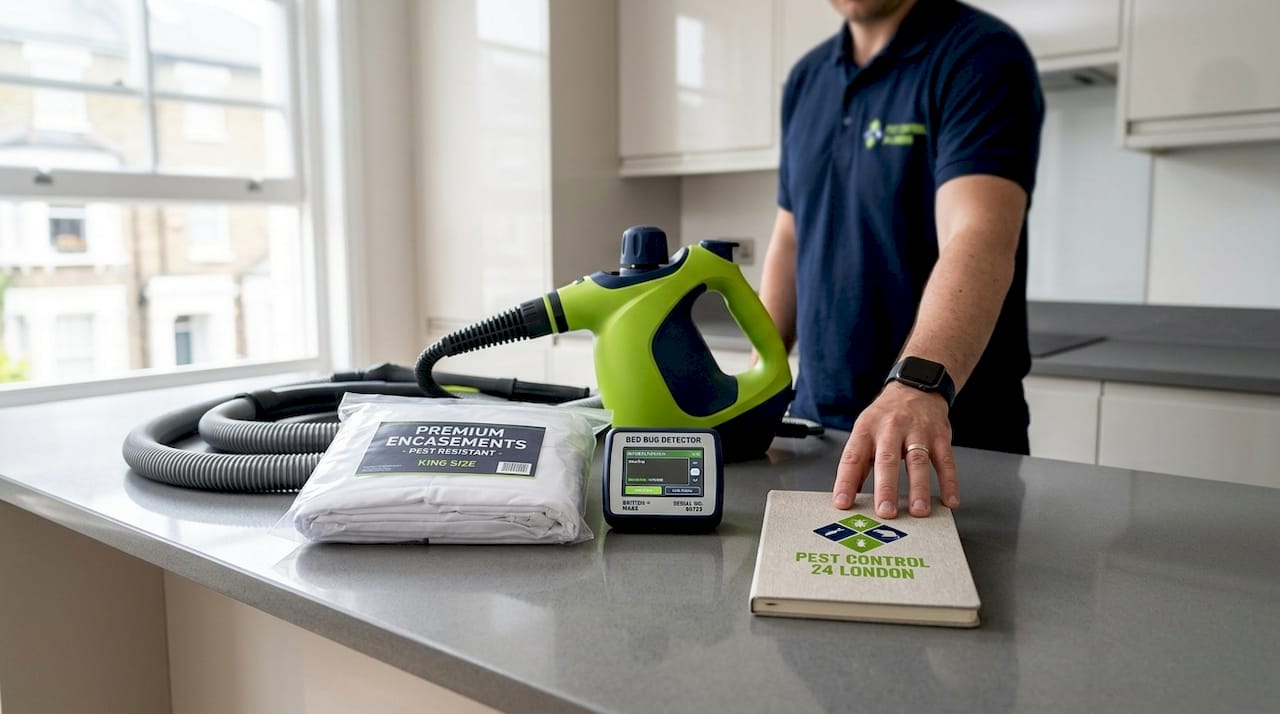
The core tools you will need include:
- A vacuum cleaner with crevice and upholstery attachments
- Sealed plastic bags for isolating infested items
- Mattress and box spring encasements rated for bed bugs
- A clothes dryer or steam cleaner capable of reaching high temperatures
- A thermometer to verify temperatures during freezing or steam treatment
- Bed bug interceptor traps for furniture legs
Before you treat, identify every infested area. Check mattress seams, bed frames, headboards, skirting boards, electrical outlets, and furniture joints. Reduce clutter throughout the room, as piles of clothing, books, and boxes give bed bugs additional harborage. Bag items carefully before moving them out of the room to avoid spreading the infestation to other areas of your home. Review the essential preparation steps before you begin, as skipping this stage is one of the most common reasons treatments fail.
Pro Tip: Never attempt to raise your home’s temperature using a thermostat or propane heater. The EPA warns this approach does not kill bed bugs and creates a serious fire and carbon monoxide risk.
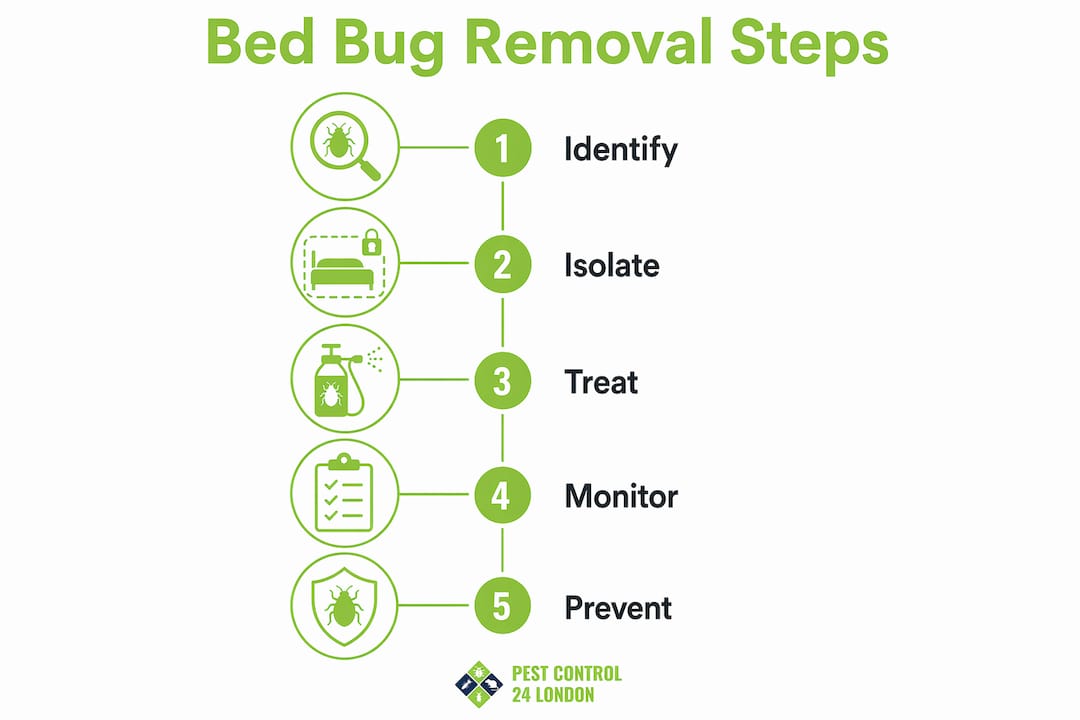
How to get rid of bed bugs step by step
A structured execution plan is the difference between reducing the population and actually eliminating it. Follow these steps in order, and repeat the cycle as needed.
Inspect and contain. Confirm the infestation before treating. Place infested bedding and clothing directly into sealed bags. Do not carry loose items through other rooms.
Launder on high heat. Wash all bedding, curtains, and clothing at 60°C and tumble dry for at least 30 minutes on the highest heat setting. This temperature reliably kills bed bugs at all life stages.
Apply steam treatment. A steam cleaner must produce steam at 130°F (approximately 54°C) or higher to kill bed bugs on contact. Move the nozzle slowly across mattress seams, furniture joints, and skirting boards. Use a low airflow setting to avoid blowing bugs into untreated areas rather than killing them.
Vacuum thoroughly. Vacuum mattresses, bed frames, carpets, and all crevices using the crevice attachment. After vacuuming, seal the bag immediately and dispose of it outside your home. Thorough vacuuming reduces the active population and removes eggs from surfaces.
Consider freezing for small items. Infested items that cannot be washed can be frozen, but only if your freezer reaches 0°F (approximately minus 18°C). The item must remain sealed at that temperature for at least three days. Many household freezers do not reach 0°F without verification using a thermometer, making this method unreliable without checking first.
Use EPA-registered pesticides if needed. If non-chemical methods have not resolved the infestation, targeted application of an EPA-registered pesticide to cracks and crevices may be appropriate. A complete DIY approach combines laundering, sealing, vacuuming, and pesticide use together rather than relying on any single method.
Pro Tip: Treat DIY methods as a reduction strategy, not a one-time solution. Bed bug eggs are resistant to many treatments, so a second round of treatment 10 to 14 days after the first is often necessary to catch newly hatched nymphs.
Common mistakes that undermine bed bug removal
Even well-intentioned efforts frequently fall short because of avoidable errors. Understanding these pitfalls helps you avoid repeating them.
- Using foggers as the primary treatment. Foggers, sometimes called bug bombs, are ineffective alone for bed bug control. They kill exposed adults but cannot penetrate the cracks, outlets, and furniture joints where most bed bugs and all eggs are hidden. Used incorrectly, they also pose a significant fire hazard.
- Moving infested items without sealing them. Carrying a mattress or bag of clothing through the house before sealing it spreads bed bugs to previously unaffected rooms, dramatically expanding the problem.
- Applying insufficient heat. Placing items in a warm car or a slightly warm dryer does not reach the temperatures required to kill bed bugs. Precision matters here.
- Delaying treatment. Bed bugs survive months without feeding and reproduce rapidly. A small infestation becomes a severe one within weeks if left unaddressed.
- Missing hidden harborages. Bed bugs conceal themselves in electrical outlets, behind wallpaper, and inside furniture joints. Missing even one harborage leads to reinfestation. Professional whole-room heat treatment reaches these areas where DIY methods cannot, which is why professional removal is often the most reliable path to complete eradication.
How to prevent bed bugs returning after treatment
Eliminating an active infestation is only half the task. Preventing a return requires consistent habits and physical barriers maintained over time.
- Fit mattress and box spring encasements. Use encasements specifically tested for bed bugs and leave them in place for a full year. Any surviving bugs inside will be unable to feed and will eventually die. Any bugs outside cannot access the mattress.
- Vacuum and launder regularly. Weekly vacuuming of mattresses, carpets, and furniture, combined with regular high-temperature laundering of bedding, removes any newly introduced bugs before they establish.
- Reduce clutter. Fewer hiding spots mean fewer places for bed bugs to establish a new colony undetected.
- Inspect secondhand furniture before bringing it inside. Bed frames, sofas, and mattresses acquired from charity shops or online marketplaces are a common route of introduction. Inspect seams and joints thoroughly before any item enters your home.
- Use interceptor traps. Place bed bug interceptors under all furniture legs. These traps catch bugs attempting to climb onto beds and provide early warning of any new activity.
- Check luggage and clothing after travelling. Hotels are a frequent source of bed bug introduction. Inspect luggage carefully and launder clothing on return. The bed bug prevention checklist for London homes covers travel-related risks in detail.
Pro Tip: After staying in any hotel, place your luggage in the bath rather than on the bed or floor. Bed bugs cannot easily climb the smooth surface, reducing the risk of hitchhikers making it home with you.
Key takeaways
Eliminating bed bugs requires a sustained, multi-method approach combining heat, vacuuming, encasements, and professional treatment when DIY methods prove insufficient.
| Point | Details |
|---|---|
| Preparation is non-negotiable | Identify all infested areas and seal items before any treatment begins to prevent spread. |
| Heat is the most reliable killer | Laundering at 60°C and steam at 130°F or above kills bed bugs at every life stage. |
| Foggers alone do not work | Foggers cannot reach hidden eggs or bugs in crevices and create reinfestation risk if used alone. |
| Encasements protect long-term | Mattress encasements must remain fitted for a full year to starve any surviving bed bugs. |
| Professional treatment fills the gaps | Whole-room heat treatment by a qualified technician reaches harborages that DIY methods miss. |
What ten years of bed bug cases has taught me
After working on bed bug infestations across London since 2015, the pattern I see most often is not a lack of effort. It is effort applied in the wrong sequence. Homeowners steam the mattress, bag the bedding, and feel confident, only to find bites returning three weeks later because the bed frame joints, the skirting board behind the headboard, or the electrical socket on the adjacent wall was never treated.
The other consistent observation is that people underestimate how long this takes. A single treatment round rarely resolves a moderate infestation. The biology of bed bugs means eggs hatch after the first treatment, and those nymphs need to be caught in a second round. Skipping that follow-up is where most DIY attempts ultimately fail.
My honest view is that DIY methods are genuinely useful for mild, early-stage infestations caught quickly. For anything beyond that, the time, stress, and repeated product costs of going it alone often exceed the cost of professional intervention. The integrated pest management model works precisely because it combines what you can do at home with what a professional can do that you cannot.
— Dan
How Pestcontrol24london can help you eliminate bed bugs for good
If DIY methods have not resolved your infestation, or if you want the certainty of a professional result from the outset, Pestcontrol24london provides specialist bed bug removal across London. Our BPCA-qualified technicians use professional-grade heat treatments that raise room temperatures to levels lethal to bed bugs at every life stage, including eggs in hidden crevices that steamers and foggers cannot reach.

We have worked with London homes, hotels, hostels, and restaurants since 2015, and we understand that speed matters when bed bugs are involved. Our bed bug removal service includes a thorough inspection, targeted treatment, and follow-up advice to prevent reinfestation. For a complete post-treatment result, our post-treatment sanitisation service restores your home to a clean, hygienic standard after eradication is confirmed. Contact us today for a free quote.
FAQ
How quickly can bed bugs be eliminated?
A mild infestation treated with thorough heat methods and vacuuming may show significant reduction within one to two weeks. A second treatment round is typically needed 10 to 14 days later to catch newly hatched nymphs.
Do bed bug sprays from the supermarket actually work?
Most over-the-counter sprays kill exposed bed bugs on contact but cannot reach eggs or bugs hidden in cracks and furniture joints. The EPA recommends using EPA-registered pesticides as part of a broader integrated approach, not as a standalone solution.
Can I get rid of bed bugs without a professional?
Early-stage infestations can sometimes be resolved with consistent DIY methods including laundering, steam, vacuuming, and encasements. For moderate to severe infestations, professional heat treatment is the most reliable route to complete eradication.
How do I know if the infestation is gone?
Continue using interceptor traps under furniture legs after treatment. No new activity in the traps over four to six weeks, combined with no new bites, is a strong indicator the infestation has been resolved.
Are bed bugs a sign of an unclean home?
Bed bugs are not associated with poor hygiene. They travel on luggage, clothing, and secondhand furniture and can infest any home regardless of cleanliness. Early detection and prompt treatment are the only reliable defences.