

An insect infestation is defined as the presence of insects in numbers large enough to cause harm, spread disease, or damage property. The most recognised examples of insect infestations in UK homes include the German cockroach (Blattella germanica), bed bugs (Cimex lectularius), and common ants, each presenting distinct risks and requiring specific treatment approaches. Identifying the type of infestation you are dealing with is the first step toward resolving it effectively. Misidentification leads to the wrong treatment, which can make the problem significantly worse.
1. Common household insect infestations and their signs
The German cockroach is the most reported household insect pest in the UK. Cockroach infestations rose by 9% between 2024 and 2025, with urban pest control companies receiving five to six new reports weekly. Signs of a German cockroach infestation include dark smear marks along skirting boards, a musty odour in kitchen cupboards, and shed skins near appliances.
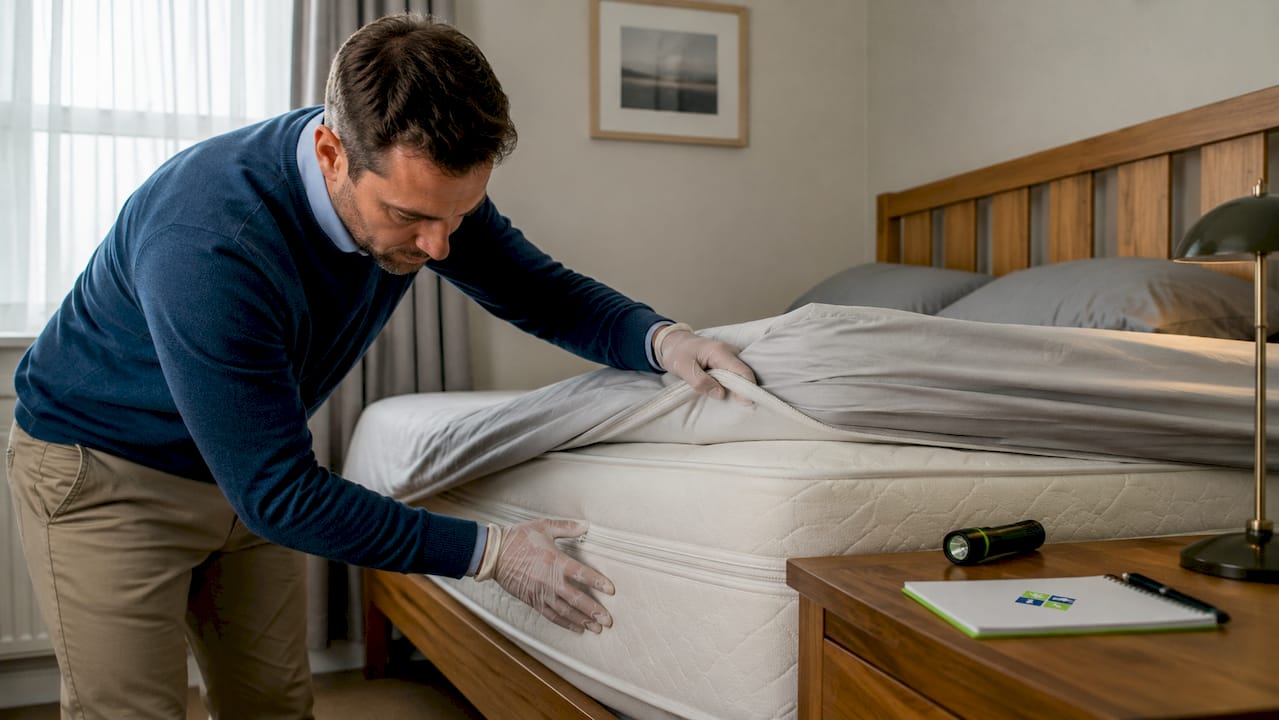
Bed bugs are a separate but equally disruptive example of a common pest infestation. They hide in mattress seams, bed frames, and behind headboards, emerging at night to feed. Signs include rust-coloured spots on bedding, itchy welts in a line or cluster on the skin, and a faint sweet smell in the bedroom.
Common ants, including the black garden ant and the pharaoh ant, enter homes through gaps in walls and flooring. Pharaoh ants are particularly problematic in hospitals and flats because they carry bacteria and are difficult to eradicate with standard sprays.
Key signs of household insect infestations at a glance:
- Cockroaches: smear marks, egg cases, musty smell, nocturnal sightings
- Bed bugs: blood spots on sheets, shed skins, bites in rows
- Ants: visible trails, small soil mounds near walls, foraging workers in kitchens
- Carpet beetles: irregular holes in natural fibres, shed larval skins, adult beetles near windows
Pro Tip: Never use a broad-spectrum aerosol spray when you first spot cockroaches. Improper sprays disperse insects into wall voids and neighbouring rooms, making the infestation far harder to treat.
2. Insect infestations in agricultural and rural settings
Insect infestations are not limited to homes. Agricultural settings face some of the most economically damaging examples of pest infestations recorded globally. Understanding these cases helps homeowners in rural areas recognise when a problem extends beyond a few stray insects.
Red-striped soft scale insect (RSSI): This pest infested 1,788.9 hectares of sugarcane plantations in the Philippines, reducing sugar content by up to 50%. Scale insects feed on plant sap and excrete honeydew, which promotes mould growth and further weakens crops.
Mouse plagues affecting farm storage: During Australia’s 2026 mouse plague, farmers recorded 3,000 to 4,000 burrows per hectare, with individuals catching up to 150 mice daily inside sheds. Mice destroy stored grain, gnaw through electrical wiring, and contaminate food supplies. Rural homeowners face identical risks when rodent populations from nearby fields move indoors during harvest season. A solid mice prevention checklist is the most practical starting point for anyone in a rural property.
Locust swarms: Desert locusts can consume their own body weight in vegetation daily, devastating entire harvests within hours. While not a direct household threat in the UK, locust-related displacement of smaller insects into homes is documented in affected regions.
Vine weevil infestations: Common in UK gardens and greenhouses, vine weevils destroy plant roots at the larval stage. Gardeners often notice wilting plants before spotting the C-shaped white grubs in the soil.
Pro Tip: In agricultural settings, early detection is the difference between a manageable problem and a total loss. If you notice unusual plant damage or sudden increases in insect activity near your property, contact a professional before attempting any treatment.
3. Comparing insect infestations by health risk and property damage
Not all insect infestations carry the same type of risk. The US EPA classifies cockroaches and mosquitoes as public health pests due to their role as disease vectors, while termites and carpenter ants are categorised primarily as structural threats. This distinction matters because it determines how urgently you need to act and what kind of professional help you require.
Cockroaches spread Salmonella, E. coli, and trigger asthma attacks through their shed skins and droppings. Mosquitoes transmit diseases including malaria, dengue fever, and West Nile virus. Ticks carry Lyme disease, which can cause long-term neurological damage if untreated.
Structural pests operate differently. Carpenter ants and termites often indicate underlying moisture problems in a property. Killing the insects alone will not stop the infestation if the damp conditions attracting them remain unresolved.
| Pest | Primary risk | Typical damage | Urgency |
|---|---|---|---|
| German cockroach | Public health | Food contamination, allergens | High |
| Bed bug | Public health | Skin reactions, sleep disruption | High |
| Termite | Structural | Timber decay, foundation damage | Very high |
| Carpenter ant | Structural | Wood galleries, moisture damage | Medium |
| Mosquito | Public health | Disease transmission | High |
| Pharaoh ant | Public health | Bacterial contamination | Medium |
4. Effective treatment approaches for different insect infestations
Treatment for insect infestations must be matched to the specific pest. Applying the wrong method does not just fail. It actively worsens the problem by dispersing insects or building resistance.
For German cockroaches, professionals apply gel bait in small dots inside cracks, crevices, and behind appliances. Rotating the active substance in the bait prevents resistance from developing over time. Insect growth regulators are used alongside baits to disrupt the reproductive cycle.
Bed bugs require a more intensive approach. Heat treatment raises room temperature to between 50 and 55 degrees Celsius, killing all life stages including eggs. Because pyrethroid resistance is now widespread in UK bed bug populations, a single spray treatment is not sufficient. Professionals combine non-repellent residual sprays with insect growth regulators and follow-up monitoring visits.
High-density living allows cockroaches to spread between flats through shared pipe runs and wall voids. Individual DIY measures in one flat rarely succeed when the source colony is in a neighbouring unit. This is why whole-building treatment programmes are standard practice in London apartment blocks.
Key steps to prepare your home before a professional visit:
- Clear clutter from under sinks, behind appliances, and inside cupboards
- Do not apply any sprays or powders in the 48 hours before treatment
- Wash and bag bedding if bed bugs are suspected
- Document all sightings with photographs and dates
Pro Tip: Tenants should document infestation signs in writing immediately and avoid using DIY products before a professional survey. Contaminating the area with over-the-counter poisons can mask evidence and complicate accurate diagnosis.
Key takeaways
Identifying the correct type of insect infestation determines the treatment method, and using the wrong approach will spread the problem rather than resolve it.
| Point | Details |
|---|---|
| Match treatment to pest | Gel baits suit cockroaches; heat treatment is required for bed bugs with pyrethroid resistance. |
| Health versus structural risk | Cockroaches and mosquitoes pose disease risks; termites and carpenter ants cause property damage. |
| Urban housing accelerates spread | Cockroaches travel between flats via shared utilities, making whole-building treatment necessary. |
| Document before treating | Tenants should photograph and log signs before applying any DIY product or contacting a landlord. |
| Address root causes | Structural dampness attracts termites and carpenter ants; resolving moisture is part of the treatment. |
What a decade of infestations has taught me
After years of working across London properties, the pattern I see most often is homeowners waiting too long. By the time someone calls, they have usually tried two or three supermarket sprays, which have pushed the cockroaches deeper into the wall cavity or scattered a bed bug colony across three rooms instead of one. The limitations of DIY pest control are not a matter of effort. They are a matter of access and product strength.
What surprises most people is how quickly a small problem becomes a building-wide one in flats. I have seen a single cockroach sighting in a ground-floor kitchen turn into a multi-floor infestation within six weeks, simply because the building’s shared pipework created a direct route. Ongoing pest protection is not a luxury in dense urban housing. It is the only reliable way to stay ahead of reinfestation.
My advice to tenants specifically: document everything in writing from day one. Photograph the signs, note the dates, and notify your landlord formally. This protects you legally and gives the pest control professional the clearest possible picture before they survey the property.
— Dan
Get professional help from Pestcontrol24london

Pestcontrol24london has been treating household and commercial insect infestations across London since 2015. The team is BPCA fully qualified and available 24 hours a day, seven days a week, covering everything from German cockroach programmes in restaurant kitchens to bed bug and ant treatments in residential properties. Every treatment plan begins with a thorough survey so the correct method is applied from the start, not after a failed DIY attempt. Post-treatment sanitisation services are also available to remove allergens, droppings, and contamination left behind after an infestation. Contact Pestcontrol24london today to book a survey and receive a tailored treatment plan for your property.
FAQ
What are the most common examples of insect infestations in UK homes?
The most common household insect infestations in the UK are German cockroaches, bed bugs, pharaoh ants, and carpet beetles. Each presents distinct signs and requires a specific treatment approach to eradicate effectively.
How do I know if I have a cockroach infestation?
Signs include dark smear marks along skirting boards, a musty odour in kitchen areas, shed skins, and egg cases near appliances. Cockroach infestations in UK homes rose by 9% between 2024 and 2025, so early identification is particularly important.
Why do DIY treatments often fail against insect infestations?
Over-the-counter sprays typically disperse insects rather than eliminate them, and many UK bed bug populations have developed pyrethroid resistance. Professional treatments use targeted gel baits, insect growth regulators, and heat methods that address the full life cycle of the pest.
Are insect infestations a landlord or tenant responsibility?
Responsibility depends on the cause and timing of the infestation. Tenants should document signs immediately in writing and notify their landlord formally, avoiding DIY treatments that could complicate a professional survey.
What is the difference between a health pest and a structural pest?
Health pests such as cockroaches, mosquitoes, and ticks spread disease and contaminate food. Structural pests such as termites and carpenter ants damage timber and are often linked to underlying damp conditions that must be resolved alongside the pest treatment itself.