

Frequent infestations and strict legal responsibilities make pest control one of the most pressing concerns for London homeowners and property managers. Choosing the wrong approach can mean recurring problems, costly damage, and even legal liability. The good news is that evidence-based strategies, when applied correctly, can protect your property, keep occupants safe, and reduce long-term costs significantly. This article walks you through the key criteria, practical methods, legal obligations, and health considerations that define genuinely effective pest control in London.
Table of Contents
- Understand the criteria for best pest control
- Prevention: The foundation of effective pest control
- Choosing and implementing pest control methods
- London law: Landlord vs tenant responsibilities
- Understanding health risks from common London pests
- Why prevention really is the smartest investment
- Getting specialist pest control help in London
- Frequently asked questions
Key Takeaways
| Point | Details |
|---|---|
| Prevention pays | Quarterly inspections and proofing save money and reduce infestations long-term. |
| Choose IPM first | Integrated Pest Management is safest, most effective, and eco-friendly for London properties. |
| Know legal duties | Landlords and tenants both have specific legal pest control responsibilities in London. |
| Prioritise safety | Understand health risks and call certified professionals for high-risk pests like bed bugs and rodents. |
Understand the criteria for best pest control
With the stakes understood, let’s clarify the key criteria that define best pest control for London properties. Not all pest control is equal. The most effective approaches share a common framework, and understanding it helps you make informed decisions rather than simply reacting to each new problem.
Integrated Pest Management (IPM) is the gold standard for sustainable pest control in UK homes and properties. IPM combines prevention, ongoing monitoring, and targeted treatments, reducing chemical use and minimising disruption to occupants.
The key criteria for best practice pest control include:
- Legal compliance with UK regulations, including COSHH (Control of Substances Hazardous to Health) and local authority requirements.
- Occupant safety, prioritising methods that pose minimal risk to people, pets, and the wider environment.
- Cost-effectiveness, focusing on prevention to avoid expensive reactive treatments.
- Long-term sustainability, using evidence-based methods that address root causes rather than symptoms.
- Professional certification, ensuring treatments are carried out by BPCA-qualified technicians who can provide proper documentation.
Documentation matters particularly for landlords. Written records of inspections, treatments, and communications protect you legally and demonstrate due diligence. Our proofing tips for homes and home pest removal services are built around these very criteria.
Pro Tip: Always ask your pest control provider for a written service report after every visit. This is essential for insurance claims and tenancy disputes.
Prevention: The foundation of effective pest control
Having established the key criteria, we now explore why prevention should be your top priority. Reactive treatments address infestations after they have taken hold. Prevention stops them from starting in the first place, and that distinction is where real savings are made.
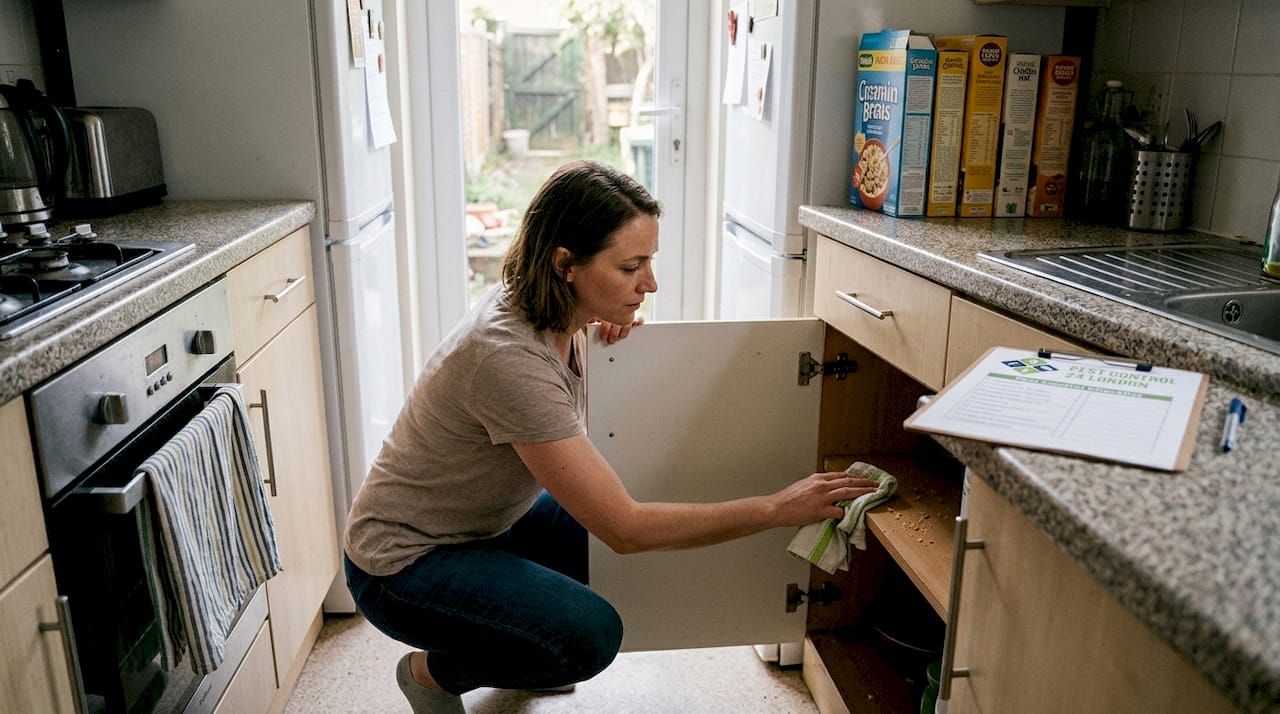
Key IPM steps include inspection, proofing, sanitation, habitat modification, non-chemical methods, and targeted chemical use only when genuinely necessary. Each step builds on the last, creating a layered defence that is far more resilient than any single treatment.
Practical prevention measures include:
- Quarterly inspections to identify entry points, damage, or early signs of activity before they escalate.
- Sealing gaps larger than 6mm, as mice can squeeze through openings no bigger than a pencil. Use steel wool, caulk, or proofing netting for durable results.
- Removing food and water sources, including securing bin lids, fixing leaking pipes, and storing food in sealed containers.
- Habitat modification, such as clearing clutter, trimming vegetation near the building, and ensuring drainage is functioning correctly.
- Educating tenants and staff about hygiene responsibilities, waste disposal, and how to report early signs of pest activity.
Regular professional cleaning services also play a significant role. Grease build-up, food debris, and damp conditions all attract pests and accelerate infestations.
Pro Tip: Focus on the kitchen and utility areas first during any inspection. These are the most common entry and nesting points for rodents and cockroaches in London properties.
Choosing and implementing pest control methods
With prevention groundwork laid, let’s evaluate which pest control methods work best and when to use them. The IPM hierarchy provides a clear order of priority, starting with the least invasive options and escalating only when necessary.
| Method | Type | Best used for | Environmental impact |
|---|---|---|---|
| Physical traps | Non-chemical | Rodents, insects | Very low |
| Exclusion barriers | Non-chemical | Rodents, birds | Very low |
| Heat treatment | Non-chemical | Bed bugs | Low |
| Targeted baits | Semi-chemical | Rodents, cockroaches | Low to moderate |
| Residual sprays | Chemical | Severe infestations | Moderate to high |
IPM reduces infestations by over 80%, lowers chemical use, and cuts long-term costs. The BPCA recommends certified professionals, thorough documentation, and proactive inspections as the backbone of any control programme.
Key implementation steps:
- Identify the pest accurately before selecting any method. Misidentification leads to wasted time and ineffective treatments.
- Apply non-chemical methods first, including traps, exclusion barriers, and heat treatments.
- Use targeted baits where non-chemical options are insufficient, placing them precisely to limit exposure.
- Reserve chemical sprays for last-resort situations, applied by certified technicians only.
- Keep detailed records of every inspection and treatment for legal and insurance purposes.
For ongoing guidance, our latest pest control tips cover current best practices, and aftercare sanitisation is available following any treatment.
London law: Landlord vs tenant responsibilities
With effective methods in mind, it’s vital to stay on the right side of the law, especially in London. Confusion over legal responsibility is one of the most common sources of disputes between landlords and tenants.
Legal responsibility is governed by the Landlord and Tenant Act 1985, the Housing Act 2004, and the Homes (Fitness for Human Habitation) Act 2018. Structural defects and entry points fall to the landlord; hygiene-related infestations caused by tenant behaviour fall to the tenant.
| Responsibility | Landlord | Tenant |
|---|---|---|
| Structural gaps and entry points | Yes | No |
| Roof and loft defects | Yes | No |
| Waste management and hygiene | No | Yes |
| Reporting infestations promptly | Shared | Shared |
Landlords who fail to act on reported infestations risk enforcement action from local authorities and potential rent repayment orders under the Housing Act 2004.
Prompt inspection and action are required by law. Document all communications, inspection dates, and treatment records meticulously. For properties with loft access issues, dealing with contaminated insulation may be necessary, and bird proofing solutions are often required for rooftop entry points. A useful overview of landlord pest control responsibilities is also worth reviewing.
Understanding health risks from common London pests
Understanding the legal side sets the stage for appreciating why effective pest control is crucial: the health risks are real and should not be underestimated.
Common London pests and their associated risks:
- Rodents spread diseases including leptospirosis and Hantavirus through urine, droppings, and direct contact. They also contaminate food preparation surfaces.
- Cockroaches produce allergens that trigger asthma and allergic reactions, particularly in children and vulnerable adults.
- Bed bugs cause intense itching, sleep disruption, and secondary skin infections. The NHS advises professional control for bed bug infestations due to the difficulty of eradication.
- Wasps pose a serious risk to individuals with allergies, with stings capable of causing anaphylactic shock.
For recurring or severe infestations, professional intervention is always the safest course. Self-treatment of bed bugs, for example, frequently fails and allows the infestation to spread further. Our guide on types of London pests covers seasonal risks in detail.
Key fact: Cockroach allergens are present in the droppings and shed skin of these insects, making even a moderate infestation a significant asthma trigger for residents.
Why prevention really is the smartest investment
Having reviewed the strategies and risks, here is the hard-won reality most guides gloss over. After more than a decade working with London properties, from hotels and restaurants to residential flats, one truth stands out: prevention consistently outperforms reactive treatment in cost, safety, and peace of mind.
Many property managers reach for a quick spray at the first sign of a problem. It feels decisive. But reactive, chemical-first approaches rarely address the root cause, and infestations return. Regular inspections and tenant education, by contrast, reduce call-out rates dramatically and protect the fabric of the building over time. IPM’s upfront focus requires more planning, but it delivers lasting results that no one-off treatment can match.
Getting specialist pest control help in London
If your property needs more than a DIY approach, trusted local support is your next step.
When infestations are severe or persistent, enlisting certified local professionals is the most reliable path forward. Our domestic pest control experts have been serving London properties since 2015, delivering guaranteed results with full BPCA-qualified technicians and proper documentation at every stage.

From initial inspection through to clean-up and sanitisation services, we provide comprehensive care tailored to your property’s specific needs. Get in touch today to arrange an assessment and take the first step towards a genuinely pest-free property.
Frequently asked questions
How often should London properties be inspected for pests?
Quarterly inspections are best practice for most homes and rental properties, preventing issues early and fulfilling legal requirements. Combining inspections with tenant education and proofing delivers the highest return on investment.
What is the landlord responsible for in pest control?
Landlords must address entry points, structural faults, and are responsible for the property’s fitness for habitation under UK law. Structural defects fall squarely on the landlord, while tenant hygiene issues are the tenant’s liability.
Are DIY pest control measures effective?
DIY can help for minor issues, but professional, integrated methods are far more effective for infestations or sensitive settings. IPM is the gold standard for sustainable pest control and is strongly recommended by the BPCA.
When should chemical treatments be used in London homes?
Chemicals should be a last resort after prevention and non-chemical methods have been exhausted. Targeted chemical use only when necessary is a core principle of IPM best practice.
Which pests pose the biggest health risks in London homes?
Rodents, cockroaches, and bed bugs are among the most serious due to disease risk, allergens, and severe irritation. The NHS recommends professional control for bed bug infestations given the significant health risks involved.