

Bed bugs are becoming an increasingly common problem in London homes, and the trend shows no sign of slowing. These tiny insects are expert hitchhikers, travelling on luggage, clothing, and second-hand furniture before settling into mattresses and skirting boards. Once established, they are tough to eliminate yourself, and professional intervention is frequently required. The good news is that a few consistent, practical habits can stop them from taking hold in the first place. This checklist covers what to check, clean, and avoid so you can protect your home before the problem starts.
Table of Contents
- Core actions: Your essential bed bug prevention checklist
- Travel and second-hand buys: Hidden risks for Londoners
- Cleaning strategies: How to break the bed bug cycle
- When to escalate: What to do if you find signs of bed bugs
- Our perspective: Why prevention trumps reaction every time
- Need expert help? Professional bed bug solutions for London homes
- Frequently asked questions
Key Takeaways
| Point | Details |
|---|---|
| Inspect luggage and furniture | Always check bags and used items for signs of bed bugs before bringing them into your home. |
| Early cleaning routines | Hot wash bedding and vacuum regularly to make your home less inviting to bed bugs. |
| Don’t rely on bites alone | Always look for live insects or shed skins—bites can be misleading. |
| Know when to call professionals | If cleaning and checking aren’t enough, contact pest control before an outbreak grows. |
Core actions: Your essential bed bug prevention checklist
Now that you know why prevention matters, let’s get into the actual steps you can follow at home. Bed bugs do not appear from nowhere. They arrive through specific routes, and understanding those routes makes it far easier to stop them.
- Inspect luggage and clothing after travel. As NHS bed bug guidance confirms, checking items carefully before bringing them indoors is one of the most effective preventive steps. Do this outside or in a well-lit porch before unpacking.
- Never bring second-hand furniture indoors without a thorough check. Sofas, bed frames, and mattresses are the most common carriers. Inspect every seam, joint, and recess under bright light before allowing any used item inside.
- Reduce clutter around beds and skirting boards. Bed bugs thrive in undisturbed, cluttered areas. Keeping the floor and bed surroundings tidy removes the hiding spots they rely on.
- Change and inspect bedding regularly. Strip beds every one to two weeks. Look carefully at the mattress seams, headboard, and nearby walls each time you do so.
- Monitor for early signs. Watch out for small blood spots on sheets, shed skins (pale, papery casings), or dark faecal spotting near the bed frame.
- Follow seasonal proofing advice. Pairing your bed bug checks with autumn pest-proofing tips gives your home a broader layer of protection as temperatures drop.
- Prepare your space before any treatment. If pest activity does occur, knowing the steps to prepare for pest treatment in advance saves time and improves outcomes significantly.
Pro Tip: If you are getting bites at night, do not immediately assume bed bugs. Mosquitoes, fleas, and mites all cause similar skin reactions. Inspect thoroughly for live insects and physical evidence before drawing conclusions or spending money on treatments.
Understanding best pest control practices for your specific living situation will also help you stay ahead of any developing issues throughout the year.
Travel and second-hand buys: Hidden risks for Londoners
Inspection and care are especially important when you have been travelling or acquiring used items. These two scenarios account for the vast majority of new bed bug introductions into London homes.
Hotel rooms, hostels, and even high-end accommodation can harbour bed bugs. Your suitcase, rucksack, or coat can easily pick up insects or eggs without you noticing. The NHS warns that luggage and clothing brought in without checking after travel is a primary route of introduction, and second-hand furniture carries a similarly high risk.
When checking items from travel, look for:
- Live insects. Small, flat, reddish-brown bugs roughly the size of an apple seed.
- Blood specks. Tiny rust-coloured marks at fabric seams or joins.
- Dark spotting. Small clusters of dark dots, which are faecal deposits left by feeding insects.
- Shed skins. Translucent, empty casings at stitching lines or folds.
For travel specifically, follow these precautions:
- Use hard-sided luggage where possible, as it is more difficult for bugs to grip or enter.
- Store bags on the luggage rack in hotel rooms, never on the bed or floor.
- Place clothes directly into a sealed bag before returning home, then wash at high temperature immediately.
- Leave suitcases in the boot of your car or outside the front door until you have inspected them.
For second-hand furniture, never rush a bargain indoors. Take time to inspect every surface under a bright torch. Pay particular attention to mattress seams, sofa cushion zips, and the underside of wooden bed frames. If there is any doubt at all, do not accept the item.
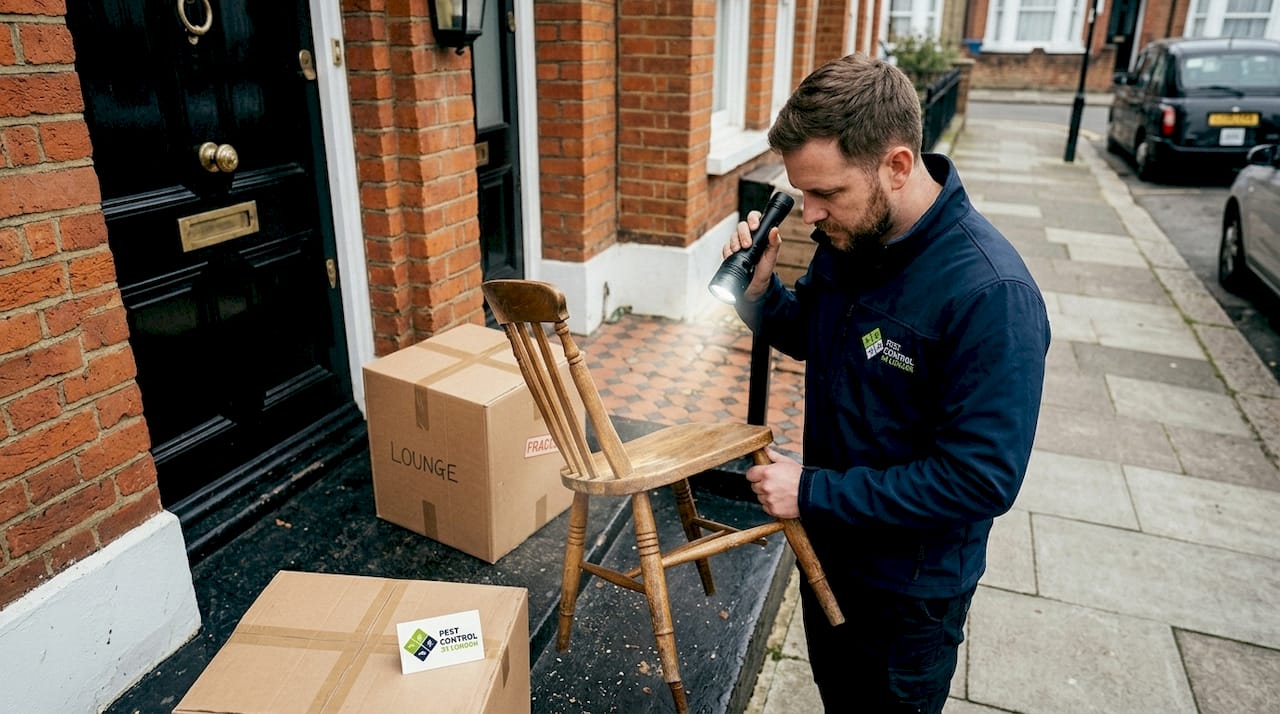
Pro Tip: Consider using a mattress sanitisation service after purchasing any second-hand bed or following a stay in accommodation you are uncertain about. It adds an extra layer of reassurance beyond visual inspection alone.
For detailed guidance on managing an active problem, our bed bug removal advice covers the full range of options available to London households.
Cleaning strategies: How to break the bed bug cycle
Beyond inspection, routine cleaning is the next line of defence. The right cleaning habits do not just maintain hygiene. They also remove eggs, expose early activity, and make your home far less hospitable to pests.
Follow this sequence for maximum effect:
- Strip and wash all bedding. Wash at 60°C or above and tumble dry on a hot setting for at least 30 minutes. This temperature reliably kills both live insects and eggs.
- Vacuum the mattress thoroughly. Focus on seams, tufts, and the edges where the mattress meets the frame. Use a narrow nozzle to get into these spots.
- Vacuum skirting boards and under furniture. These are common hiding areas. Dispose of the vacuum bag immediately in a sealed bag outside your home.
- Check the bed frame and headboard. Wipe down surfaces with a damp cloth, and use a torch to inspect joints and screw holes.
| Item | Minimum wash temperature | Minimum drying time |
|---|---|---|
| Bedding (sheets, pillowcases) | 60°C | 30 minutes on high heat |
| Duvets and blankets | 60°C | 45 minutes on high heat |
| Clothing from travel | 60°C | 30 minutes on high heat |
| Soft toys | 60°C | 30 minutes on high heat |
As NHS cleaning guidance makes clear, washing at 60°C and tumble drying on hot for 30 or more minutes is the reliable standard for killing bed bugs and their eggs. Cooler temperatures or shorter drying times are not sufficient.
Vacuuming regularly serves a dual purpose. It removes eggs before they hatch and gives you the opportunity to spot early evidence of activity. Think of it as a monitoring tool as much as a cleaning one. Home cleaning alone will not eliminate an infestation, but it is an essential ongoing practice that limits the conditions under which bed bugs can spread.
When to escalate: What to do if you find signs of bed bugs
Prevention and cleaning alone are not always enough. Knowing when to take further action can save you weeks of stress and mounting cost.
Look beyond bites. The following provide stronger evidence:
- Live insects found near the mattress, headboard, or skirting boards.
- Faecal spotting, which looks like small clusters of dark ink marks.
- Shed skins at mattress seams or behind headboards.
- Blood smears on sheets or pillowcases from crushed bugs during sleep.
| Factor | DIY treatment | Professional pest control |
|---|---|---|
| Effectiveness | Low to moderate | High |
| Time to resolution | Weeks to months | Days to weeks |
| Risk of recurrence | High | Low |
| Cost (initial) | Lower | Higher |
| Long-term value | Poor | Strong |
As the NHS advises on escalation, bed bugs are hard to eradicate without professional support. If evidence persists after initial cleaning and inspection, contact your local council or a licensed pest control firm without delay.
Pro Tip: Never rely on bites alone as your evidence. Schedule a professional inspection if you have any suspicion. Early confirmation is far more cost-effective than waiting until the population grows.
Our professional bed bug eradication services are available across London, and if you need fast support, emergency pest control is also available with rapid-response options.
Our perspective: Why prevention trumps reaction every time
With over ten years working in pest control across London, we have seen the same pattern repeat itself more times than we can count. A resident notices a bite. They wait a week. They try a spray from the hardware shop. Four weeks later, they call us with a full infestation that has spread from the bedroom to the living room.
The real trap is the “wait and see” approach. Bed bugs multiply quickly. A single fertilised female can produce hundreds of eggs over her lifetime. What begins as a handful of insects in a mattress seam becomes a building-wide problem if left unaddressed.
The honest truth is this: prevention costs very little. Checking your luggage after a trip takes ten minutes. Washing bedding at the right temperature adds nothing to your routine. Avoiding a bargain sofa that has not been properly inspected saves you potentially thousands of pounds and weeks of disruption.
Too many Londoners try to deal with infestations themselves and end up calling in experts anyway. Prevention truly is the best cure, and the gap in cost and stress between the two approaches is far greater than most people realise.
We see this outcome often enough that we genuinely believe the best service we can offer is helping people avoid needing our intervention at all. That said, if signs do appear, acting on expert bed bug removal strategies immediately gives you the best possible outcome.
Need expert help? Professional bed bug solutions for London homes
DIY prevention is always the first goal, and this checklist gives you a solid foundation. But if you spot live insects, persistent bites, or any of the physical signs discussed above, professional support is the safest and most reliable way to protect your home.

At Pest Control 24 London, we have been helping homeowners and renters across the city since 2015. Our team is BPCA fully qualified and experienced in treating bed bug infestations discreetly, thoroughly, and with a focus on long-term results. We work across all property types, from single flats to large family homes. Explore our professional cleaning services and domestic pest control experts, or visit Pest Control 24 London to find out how we can help you quickly and affordably.
Frequently asked questions
How often should I check for bed bugs in my London home?
Inspect beds, skirting boards, and luggage after every trip or whenever you acquire used furniture, and carry out a general monthly check as a routine habit.
Can I prevent bed bugs by just cleaning more?
Regular cleaning supports early detection but cannot entirely prevent or eradicate bed bugs. Inspection and vigilance are equally important alongside cleaning routines.
Do bed bug bites mean I have an infestation?
Bites alone do not confirm bed bugs. Always look for live insects or signs such as shed skins or faecal spotting before taking action.
What temperature kills bed bugs in bedding?
Washing at 60°C and tumble drying on a hot setting for at least 30 minutes reliably kills both bed bugs and their eggs.
Who should I contact if I think I have a bed bug infestation?
Contact your local council or a licensed pest control service, as DIY measures are usually ineffective once an infestation is established.
Recommended
- Essential Pest-Proofing Tips for Your London Home This Autumn – Pest Control 24 London
- Essential steps to prepare for pest treatment in London homes
- Best pest control practices for London homes: 10+ years of expertise
- Essential pest control tips for London homes and businesses
- Mattress Cleaning Tips & Guides | Mattress Magicians Blog – Twin Cities